
Software built around your work
Spreadsheets can’t keep up. Off-the-shelf software doesn’t fit.
We build the piece in the middle. It sits on top of what you already use, so nothing has to be thrown away.
700+data models built
2,900+connections between systems
1,950+screens shipped
23industries studied closely
Counted from code we have delivered. Not an estimate.
Intelligence, plumbed in
Most of your data is text nobody can query.
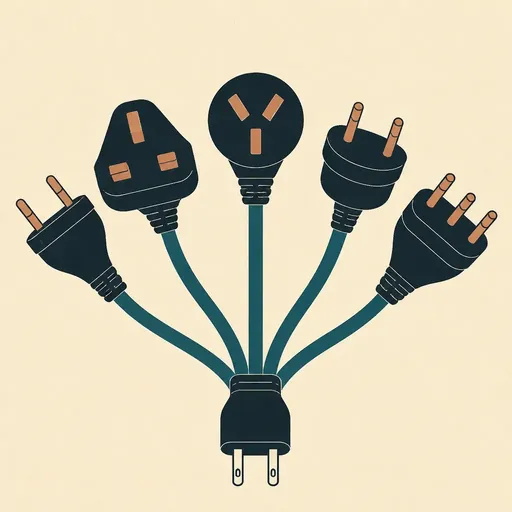
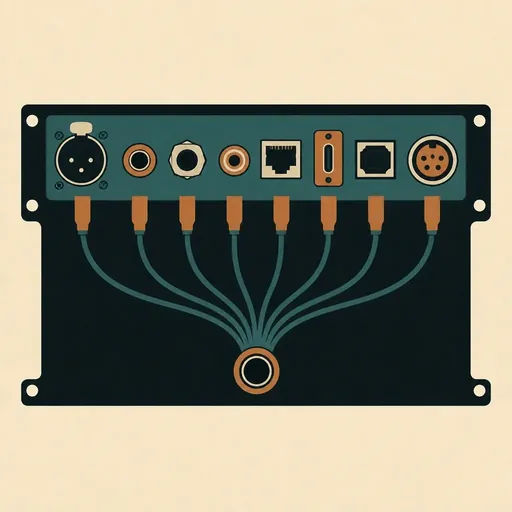
Notes, letters, PDFs, screens. We make those readable, then we build the connector and the semantic layer that keep the answers right.
How we make AI survive real data-
 Connectors
 -
 A semantic layer
 -
 Evals you can check
However hard, whatever it is
Your problem does not have to be on this list.
Twenty-three industries are written up on this site. They are worked examples, not a menu. What we actually sell is the method below — and it works on a problem nobody has written up yet.
-
 01
01 We sit with you
Days where the work happens, not a workshop in a meeting room. We watch the job get done and write down the shortcuts nobody wrote down.
-
 02
02 We read everything
Your data, your rules, your vendors and their documentation, and the published research on your sector. We report what is actually in there.
-
 03
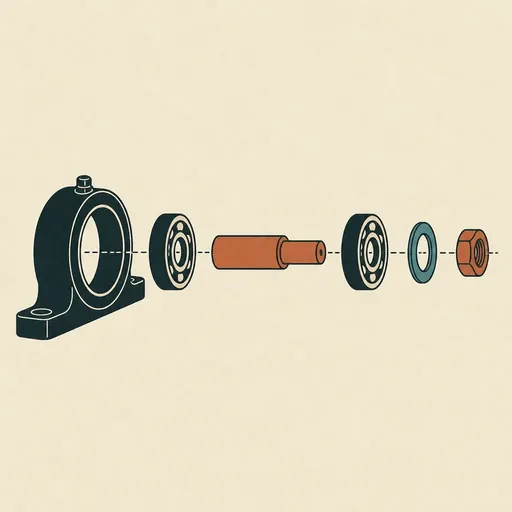
03 We break it to first principles
Not which tool fixes this. What is actually causing it, taken apart until we reach the piece that cannot be divided further.
-
 04
04 Then we build
Weeks, not quarters. By this point we are not guessing what to build, and guessing is the thing that makes projects long.
What people tell us is impossible
No API. No documentation. No supplier who will help.
We have shipped against every one of these. The system holding your data was not built to be read, and that has never been the thing that stopped us.
-
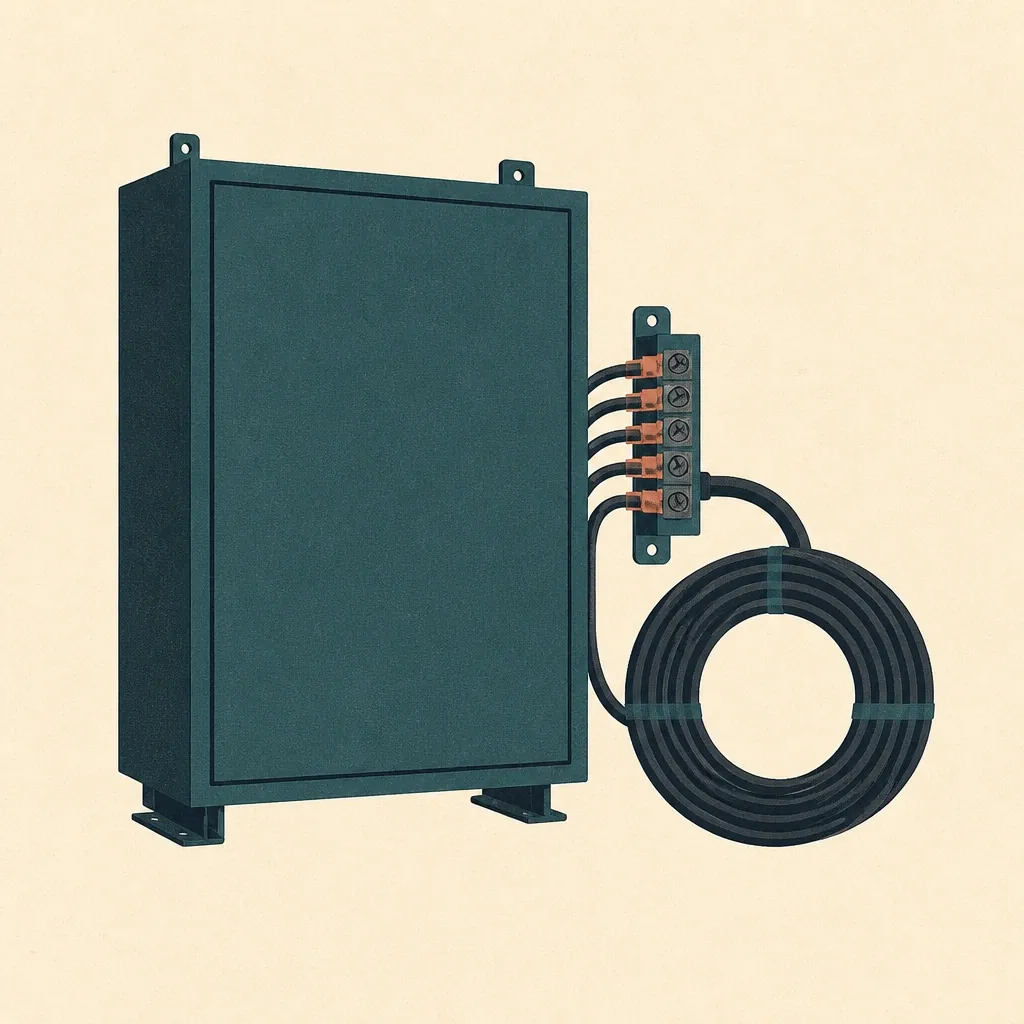
No API at all
Then it has a database, a file drop, a report, or a screen. We have gone in through all four.
-
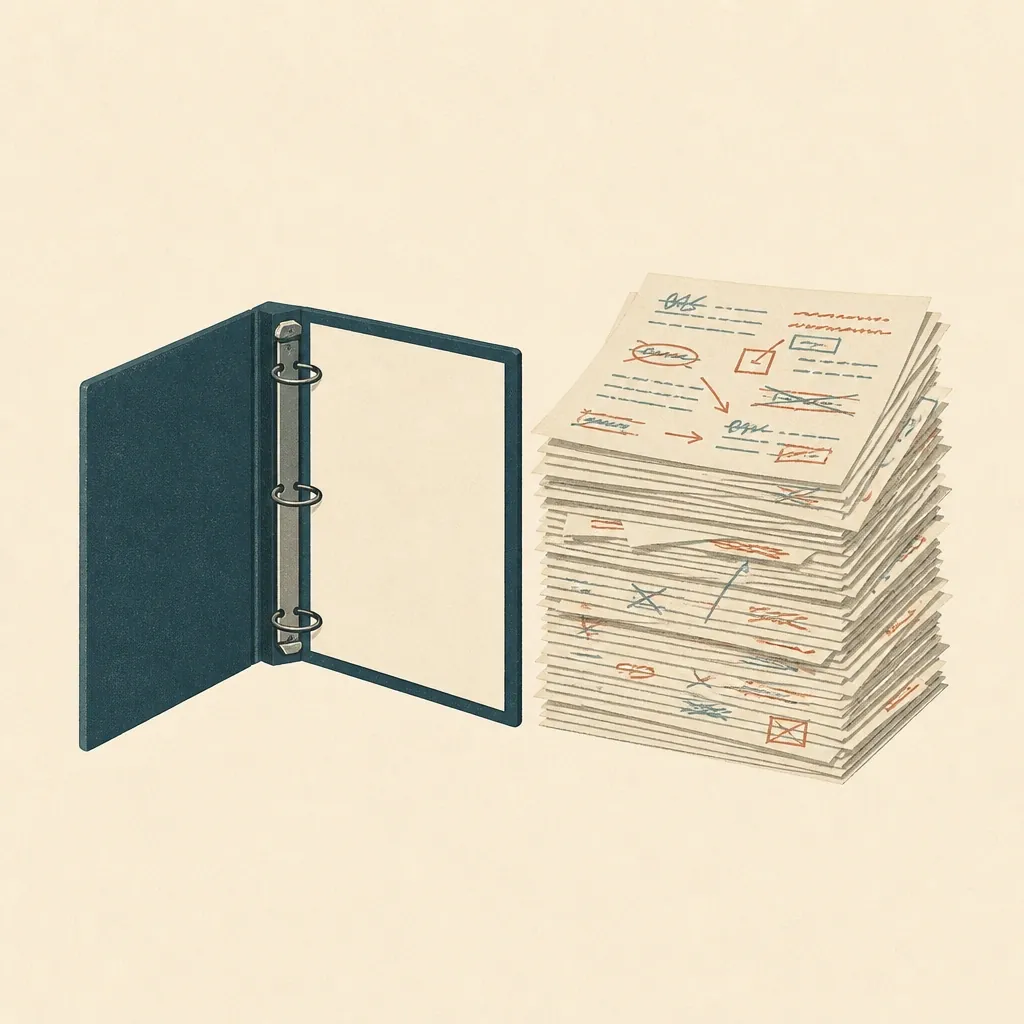
No documentation
So we read the behaviour instead of the manual, and write down what we find.
-
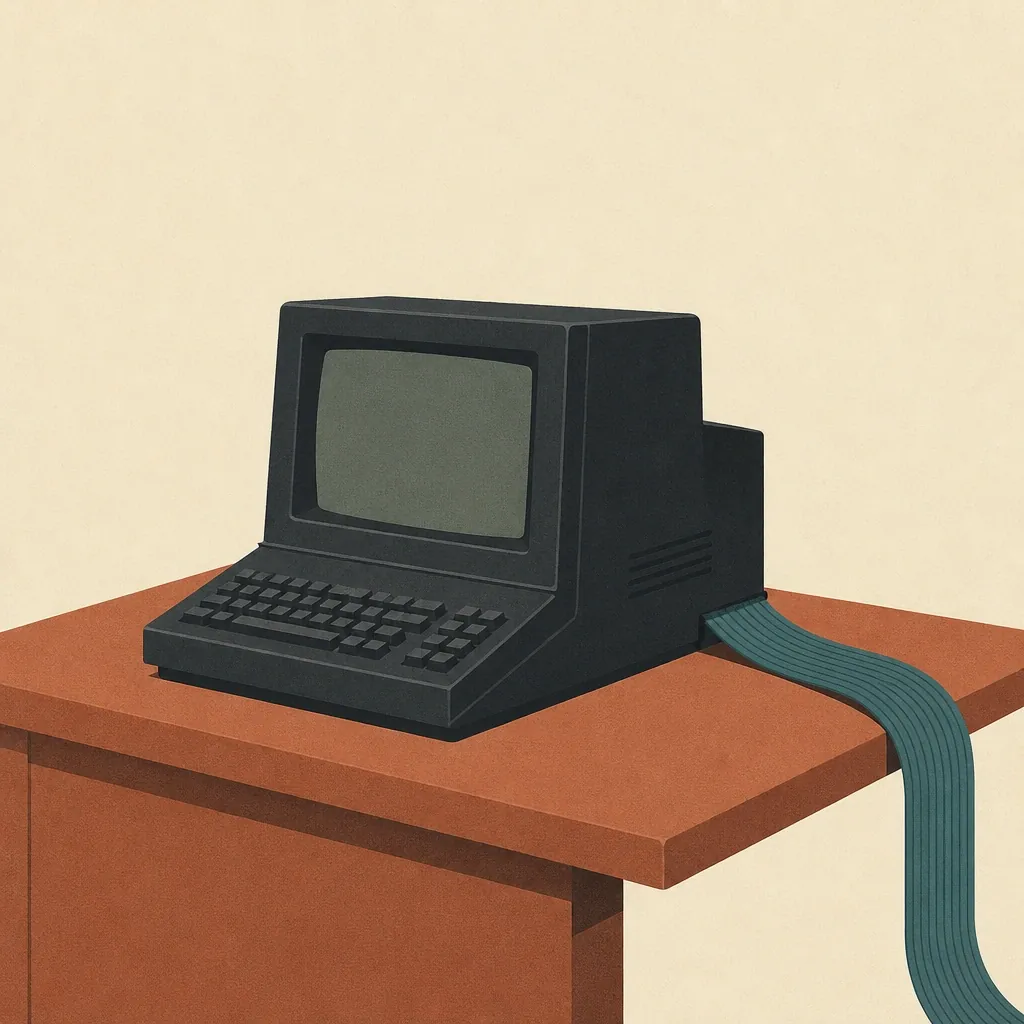
A terminal from 1994
Still running because it works. We read it where it stands rather than arguing for a replacement.
-
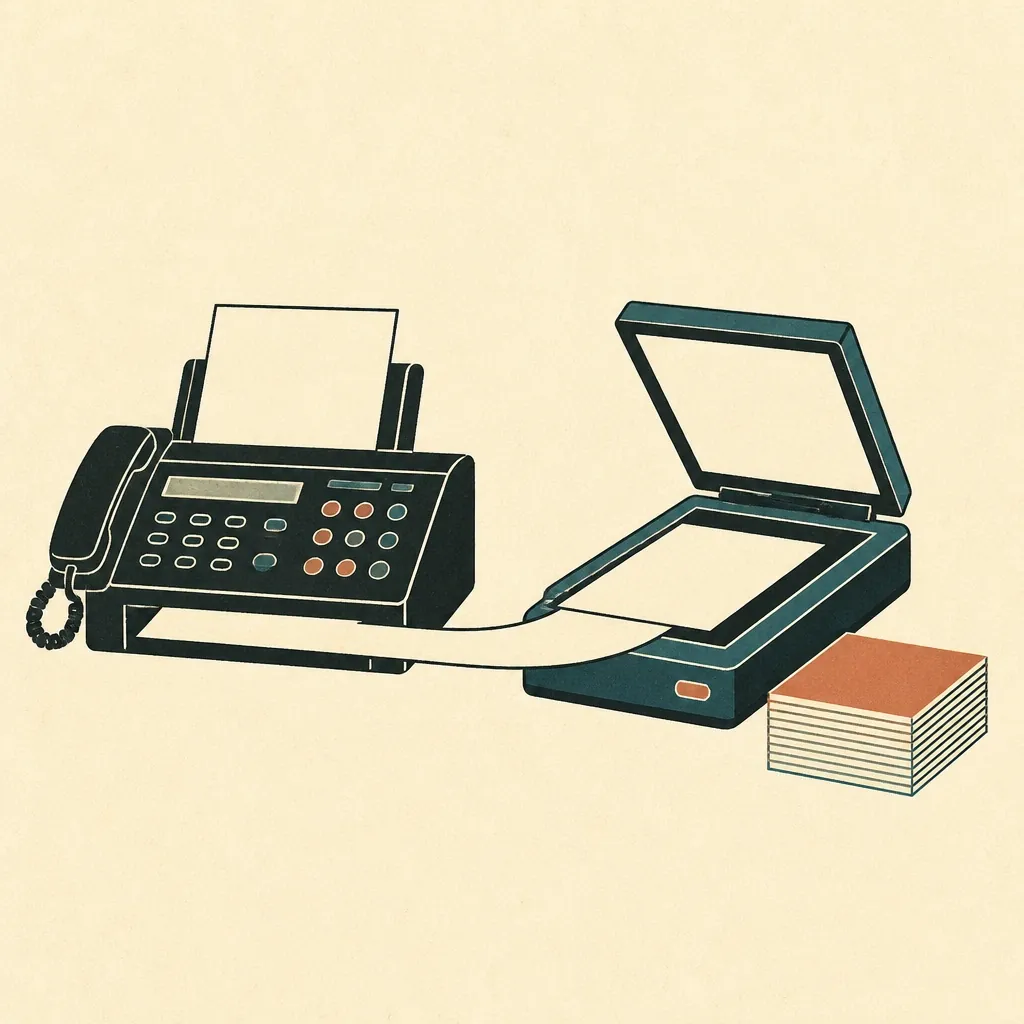
It arrives as paper
Fax, post, a scanned PDF. Extraction is work, but it is work we have done many times.
-
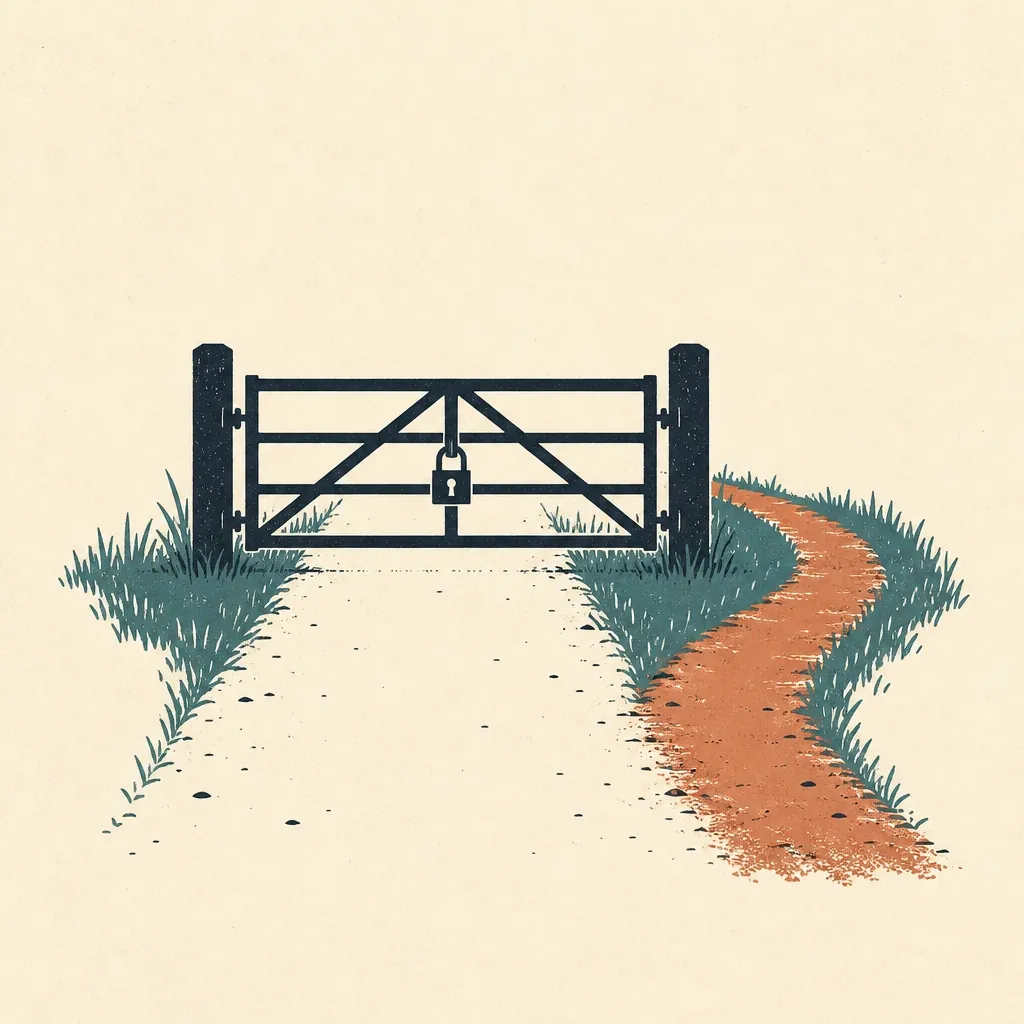
The vendor said no
Ask them to put the reason in writing. Meanwhile there is almost always a supported route around it.
-
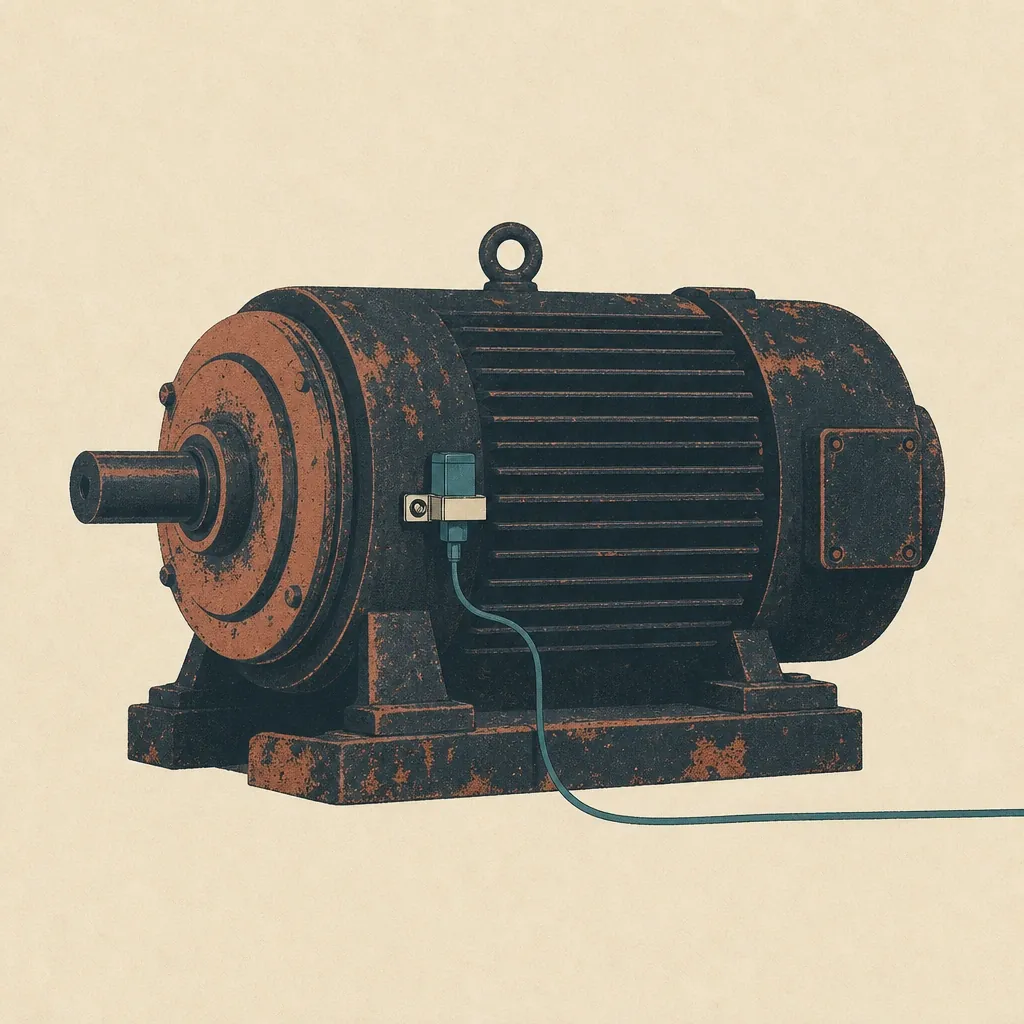
It reports nothing at all
Then we instrument it. We build the sensor and the firmware, not only the software above them.
If it holds your data, we can reach it.
The problem
Your systems don’t talk. So your people do it for them.
Today
Two people. Every single time.
-
 An order comes in Email, portal, or paper
 -
 Your main system Where it should end
 -
 Somebody types it again First person
 -
 Into a spreadsheet Second person
 -
 You decide Tomorrow, if nothing slips
About a day, end to end
With us
Nobody types anything.
- The same order comes in Nothing changes here
-
 Your system, plus our layer A model reads it. Writes nothing unapproved.
 -
 You decide While it still matters
Seconds
Every one of those hand-offs costs time, and each one can go wrong. We take them out.
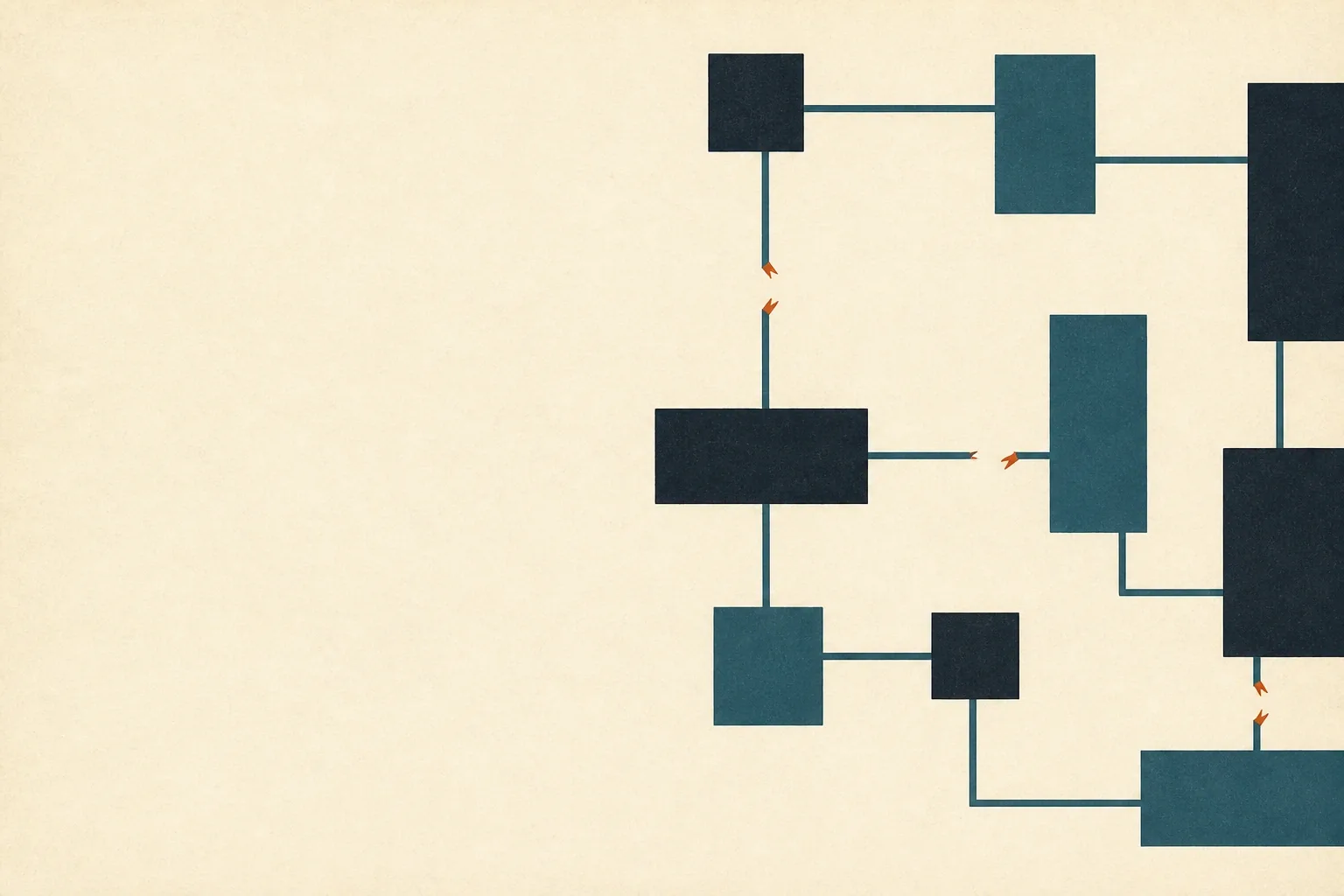
The whole idea
Every break costs a person an afternoon.
Your systems are fine. The joins between them are not, and the joins are where your people spend their day.
Why it hurts
Two systems. One question. Two answers.
Neither system is broken. They were just built to do different jobs. But somebody still has to decide which number is right — and that somebody is one of your best people.
Your main system says
1,204
The spreadsheet says
1,187
Which one do you act on?
Somebody has to work that out. Every day.
What we build
We join systems up. We also make the thing that is missing.
Software, hardware, or the way a team works. Most of what we ship did not exist before we made it.
-

Software
The system your operation runs on, or the one screen that gives a team an hour back.
-
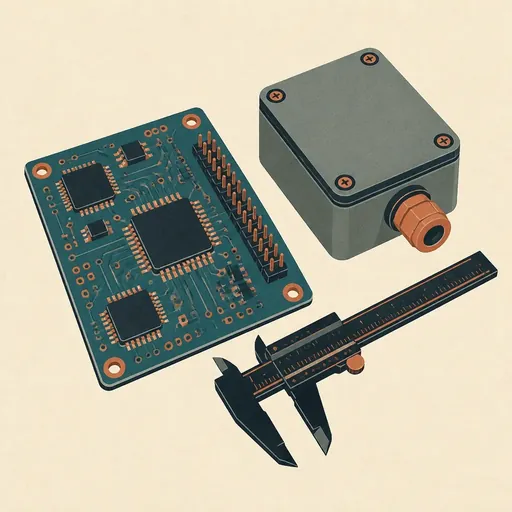
Hardware
Sketch, board, firmware, enclosure, batch. When nothing is measuring it, we build the thing that does.
-
Ways of working
The written process, the weekly rhythm, the handover. Sometimes the build is not software at all.
-

Whole ventures
A product, the team that runs it and the company around it. Started from nothing, more than once.
Your industry
We wrote a page for each one. Start with yours.
Financial services

Professional services
Public sector
How it works
Three steps. You can stop after any of them.
-
We talk
20 minutes. Free.
You tell us what is not working. We ask how the work really gets done.
-
We look at your data
A few weeks.
We read your systems, including the notes and letters no field holds. You get what is really in there, what it costs, and the accuracy we can hit.
-
We build
A few months.
Only if step 2 says it is worth it. Fixed price, agreed before we start.
Straight answers
Questions people ask us first
-
What does Artifisys do?
We build software that sits on top of the systems you already use, and makes them do the things they cannot do today. Usually that is the work your team is currently doing by hand in spreadsheets.
-
Which industries do you work in?
Healthcare, finance, supply chain, manufacturing, government, defence, retail and professional services. What matters is not the industry. It is whether your work is too complex for spreadsheets and too particular for off-the-shelf software.
-

How do we start?
With a 20-minute call. It is free. If it looks like a fit, the next step is that we read your data and tell you what is really in there. We agree that price with you before we start.
-
Will you replace our main system?
Almost never. Replacing it is slow, expensive and usually not the problem. The problem is normally the gap between two systems, and that is what we fix.
-
Do you build hardware too?
Yes. We build sensors and the firmware that runs them, along with the software they report into. That helps when part of the answer is measuring something that nothing measures today.
Tell us what is slowing you down.
Twenty minutes, and we will tell you honestly if we can help.