


73% Of shrink is preventable
Employee theft accounts for 29% at around $26 billion. The rest is inventory error and operational inefficiency — the part nobody investigates.

Commerce & consumer
Inventory error and process failure quietly cost more than the losses you investigate.
of retail sales lost to shrink, against a total US figure of roughly $90 billion.
What is happening
Employee theft accounts for 29% at around $26 billion. The rest is inventory error and operational inefficiency — the part nobody investigates.
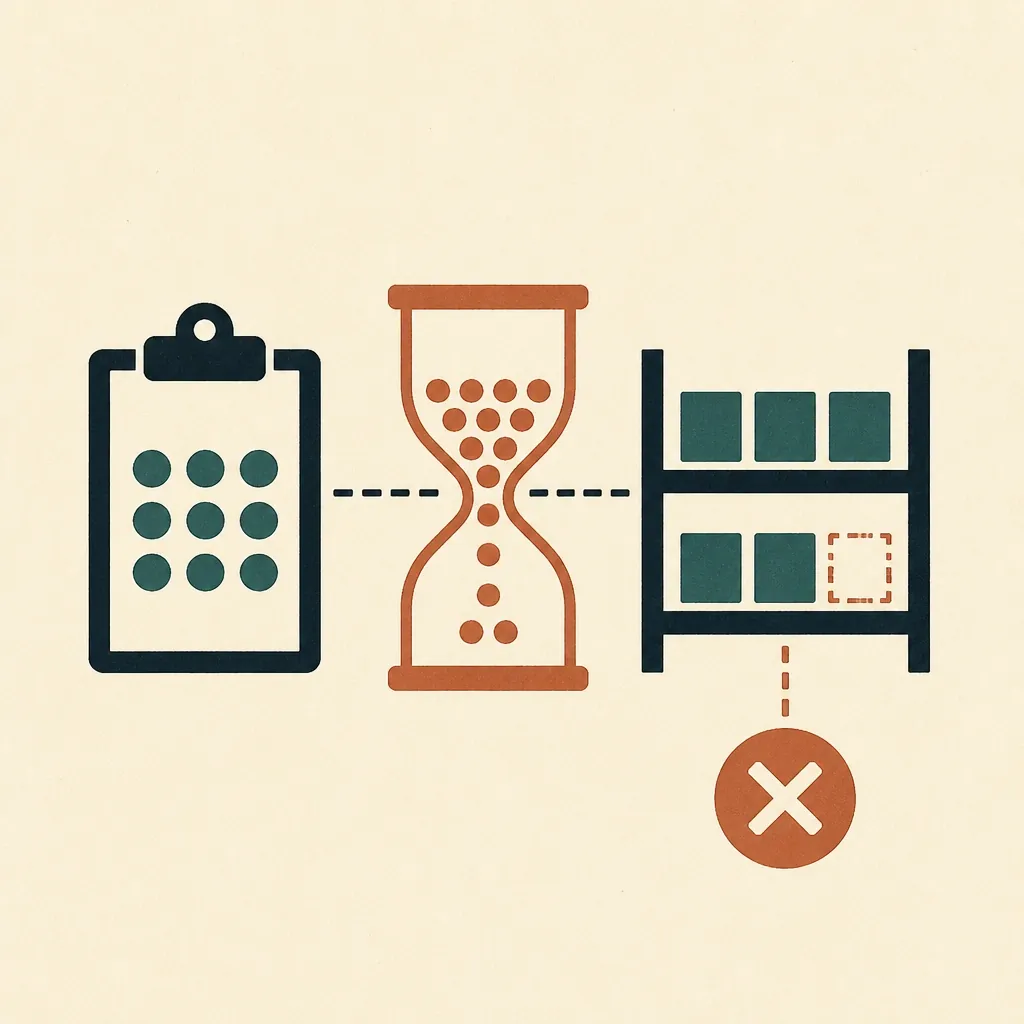
The system says one thing, the shelf says another, and the gap is discovered at the point where it costs a sale.
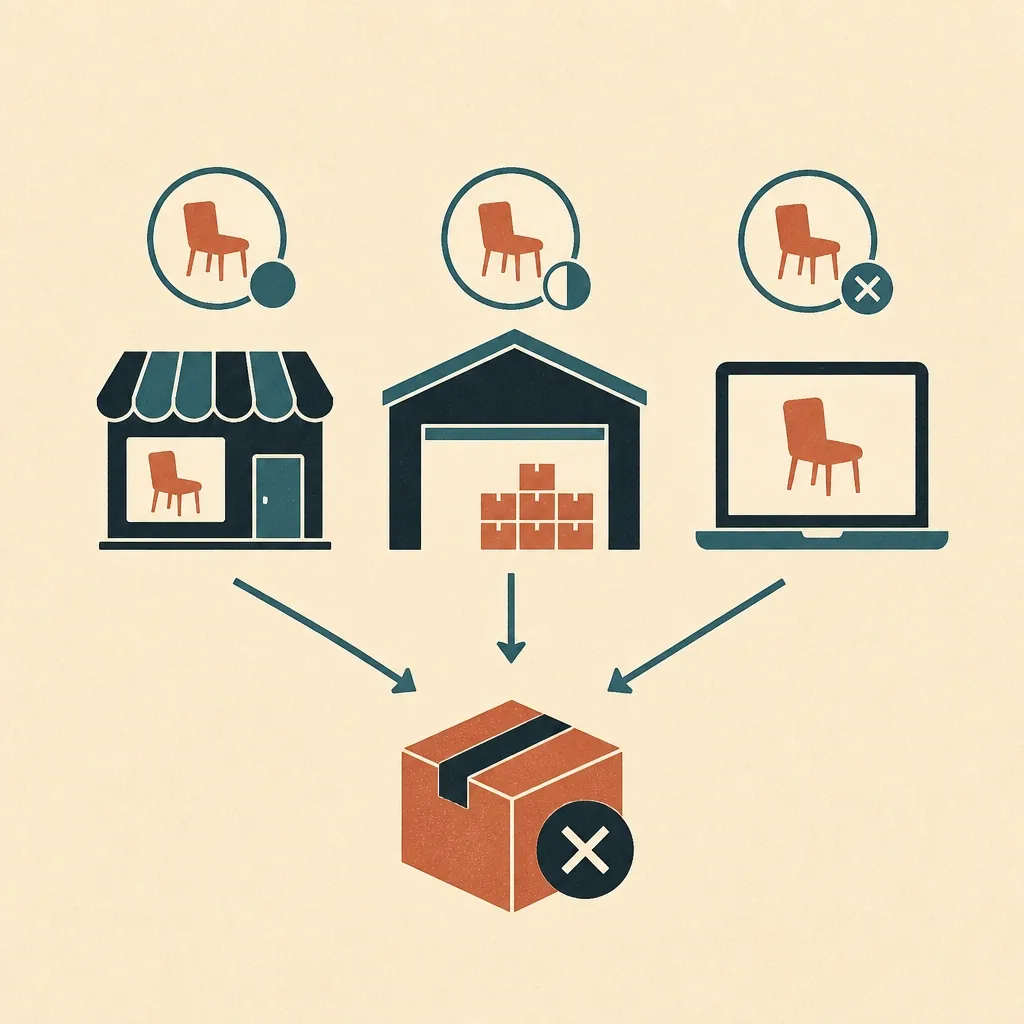
Store, warehouse and online each hold a version of availability. Overselling and cancelled orders follow.

Discounting, returns and shrink are known individually and combined too late to change a buying decision.
Intelligence, plumbed in
The unglamorous half: a connector per supplier, one product meaning in the layer, and a scored test set of real lines.
How we make AI survive real data Connectors
  A semantic layer
  Evals you can check
 What changes
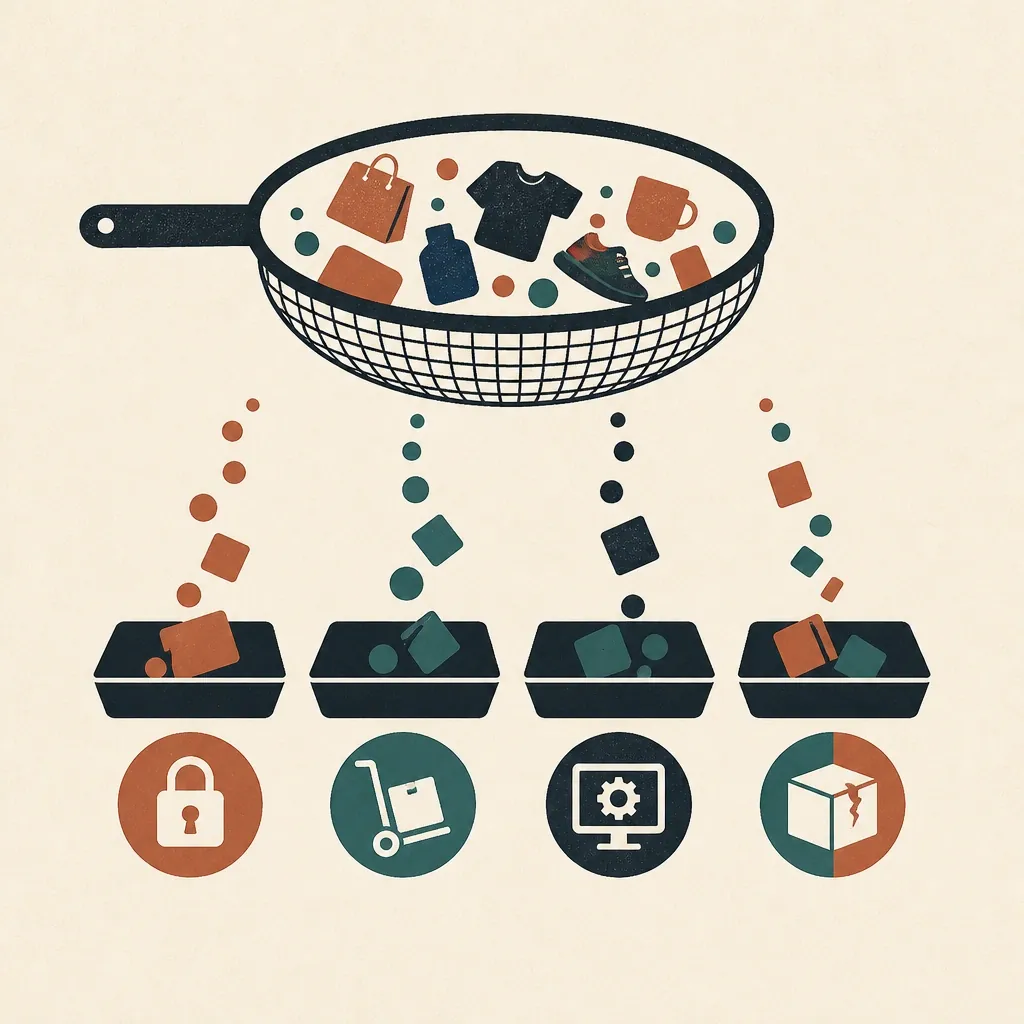 Found
Found Separating theft from receiving error, transfer error and system error — because each has a different fix.
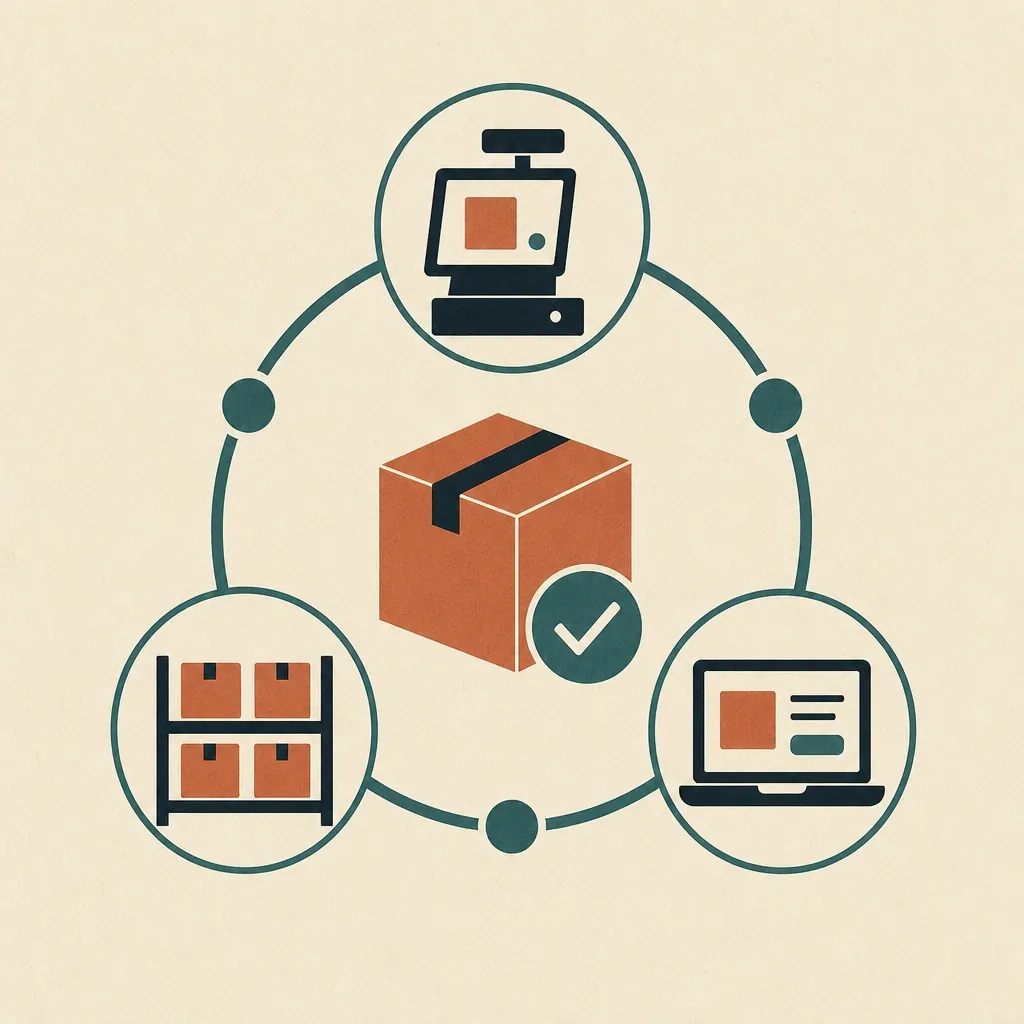 Accurate
 Reconciled between POS, warehouse and online, so availability is true at the moment of sale.
 Sooner
 By SKU, store and channel, net of discount, return and shrink.
Research
Each one carries its own figures and the citations behind them. Start with whichever sounds most like your week.
However hard, whatever it is
We wrote this about stock the system cannot see. If yours is returns, ranging or a supplier catalogue in nine formats, same approach.
 01
01 Days where the work happens, not a workshop in a meeting room. We watch the job get done and write down the shortcuts nobody wrote down.
 02
02 Your data, your rules, your vendors and their documentation, and the published research on your sector. We report what is actually in there.
 03
03 Not which tool fixes this. What is actually causing it, taken apart until we reach the piece that cannot be divided further.
 04
04 Weeks, not quarters. By this point we are not guessing what to build, and guessing is the thing that makes projects long.
Where we sit
What you get
Built new for you — none of this exists in your stack today
What you already run — unchanged, and still yours
If the store touched it, we can read it. A till with a nightly file, a warehouse system with no API, a shelf nothing is counting. All of it is reachable.
 No API
  No documentation
  A terminal from 1994
  It arrives as paper
  The vendor said no
  It reports nothing
 Not a list of limits. Name yours on the call.
And once we can reach it, a model can read it. Most of the value here is in the sources nobody ever structured — the note, the letter, the screen.
Who this is for
 Head of Retail Operations
 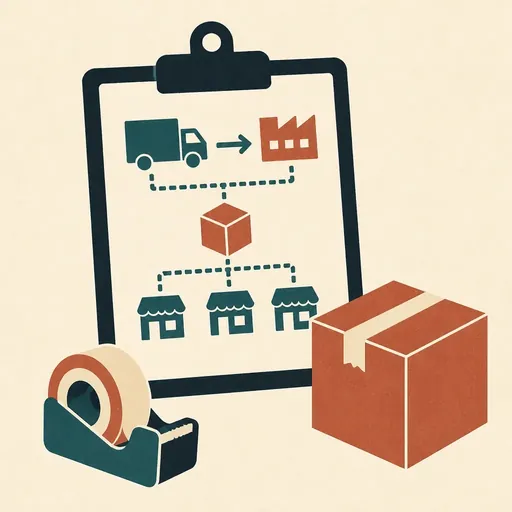 Supply Chain Manager
 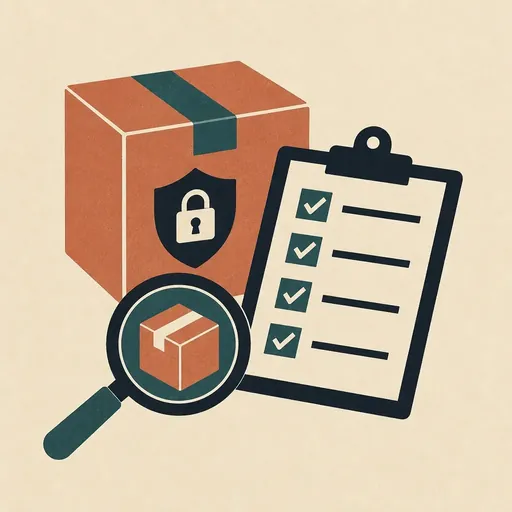 Loss Prevention Lead
  E-commerce Head
  CFO
CFO Straight answers

Partly, but the larger opportunity is not theft. About 73% of shrink can be prevented. Most of it is stock and process error, not theft. That makes it a data problem, not a security one.

It is the normal situation and it is the actual work. Reconciling them into one truthful stock position is usually the single highest-value thing we do for a retailer.

No. We read from it. Replacing a POS is disruptive, expensive and rarely the cause of the problem.

Any format becomes one product record. We score the mapping against real lines, and report which suppliers still need a human eye.
Next step
20 minutes. Free.
You tell us what is not working. We ask how the work really gets done.
A few weeks.
We read your systems, including the notes and letters no field holds. You get what is really in there, what it costs, and the accuracy we can hit.
A few months.
Only if step 2 says it is worth it. Fixed price, agreed before we start.