


HOPE Hospices are still missing HUV windows
Seven months into HOPE implementation, the most common compliance failure is a missed Hospice Update Visit window. Some EMRs shipped templates late, so clinicians double-document.

Healthcare
Caregiver turnover is at 79%. The software you bought was designed around the chart, not the caregiver.
caregiver turnover across the home care industry, the lowest reading since 2021.
Source: Activated Insights Benchmarking Report (formerly Home Care Pulse)
What is happening
Seven months into HOPE implementation, the most common compliance failure is a missed Hospice Update Visit window. Some EMRs shipped templates late, so clinicians double-document.
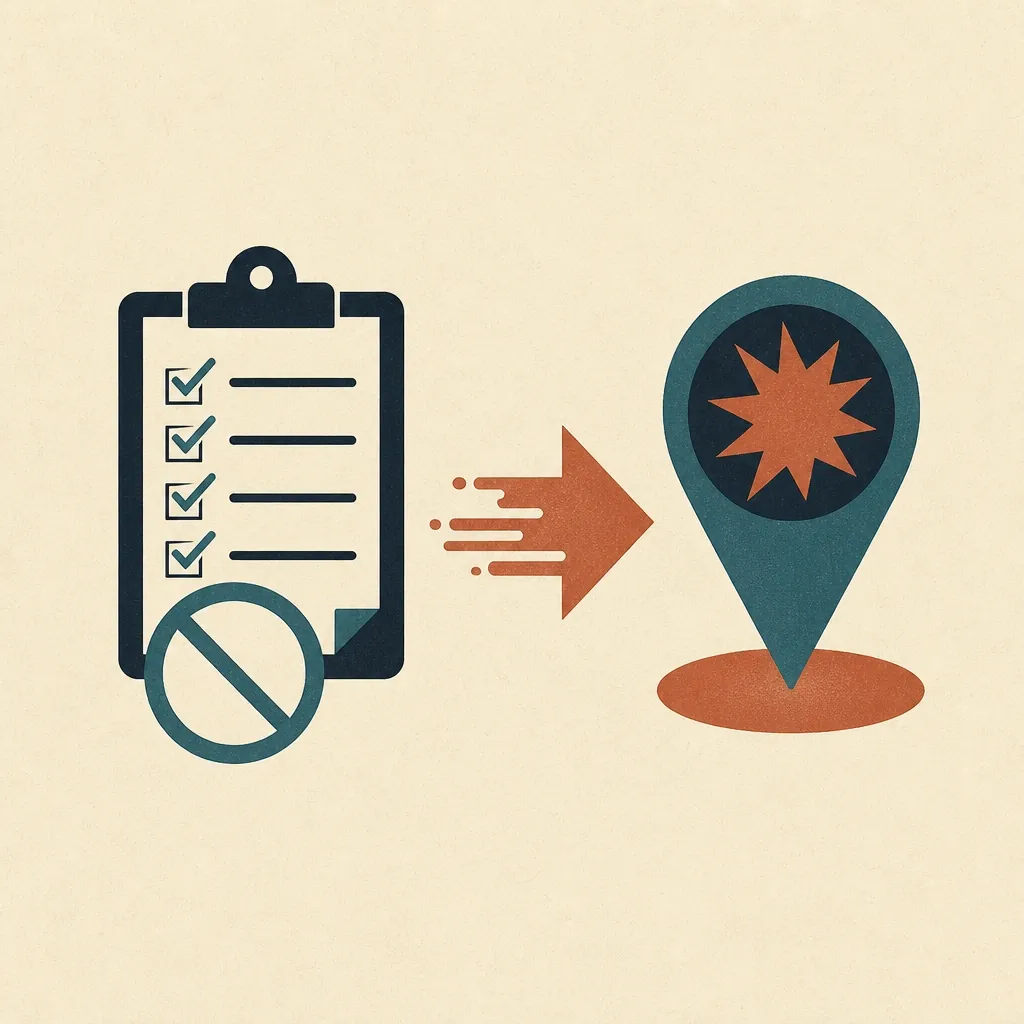
Missed visits, late clock-ins, expired certifications, GPS drift on EVV, and a coordinator working the phones at dawn. None of it is a documentation problem.
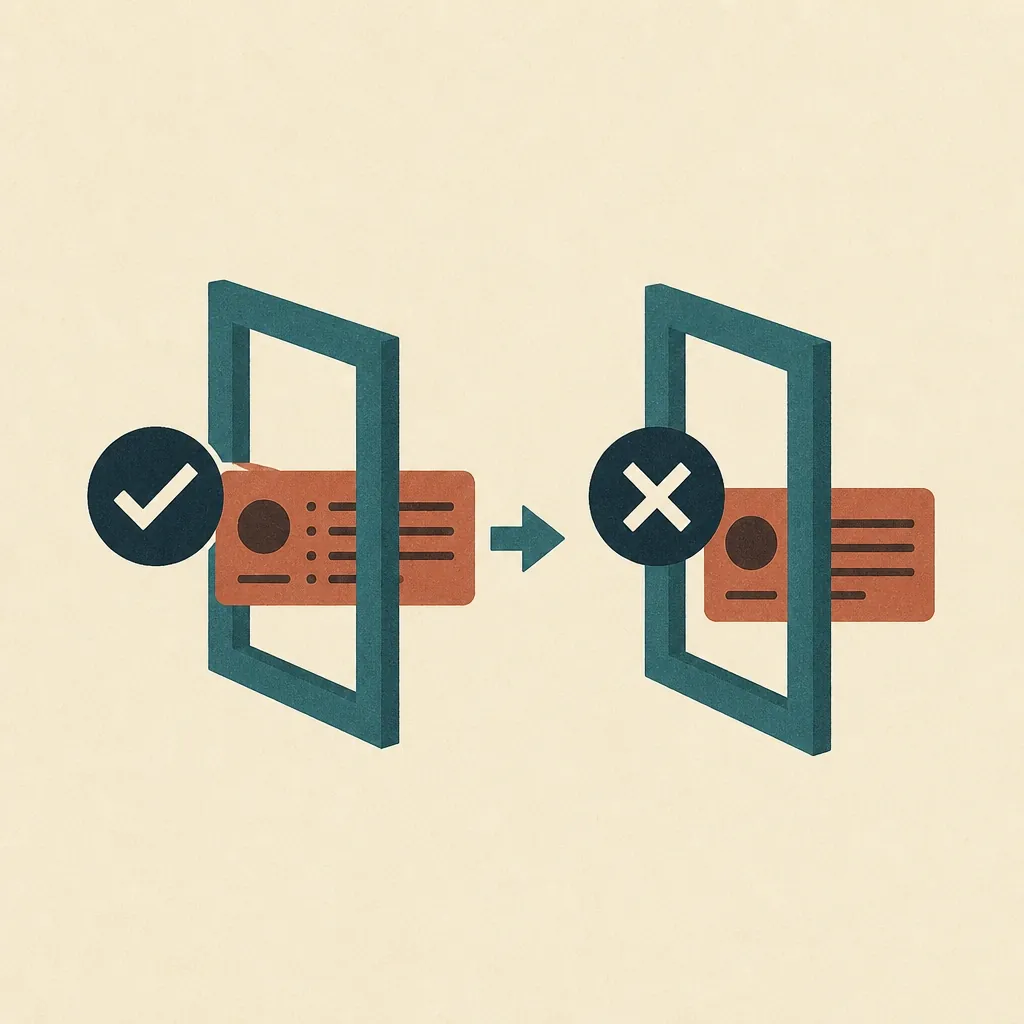
Claims accepted with marginal electronic visit verification data are now being rejected. The tolerance has gone.
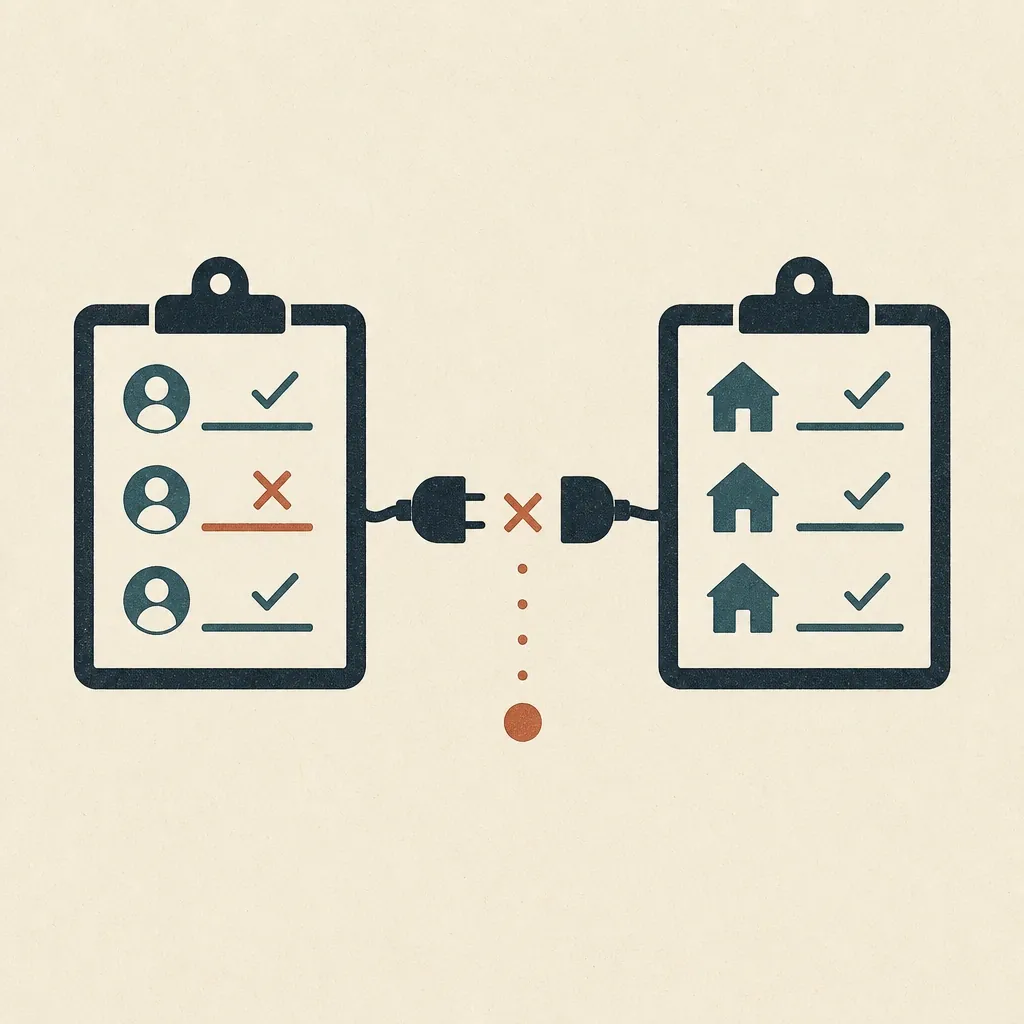
The coordinator knows who called out. The clinical system knows who was due a visit. Nothing connects them until something is already missed.
Intelligence, plumbed in
We build the reader and the connector, then measure it against notes a clinician has already assessed.
How we make AI survive real data Connectors
 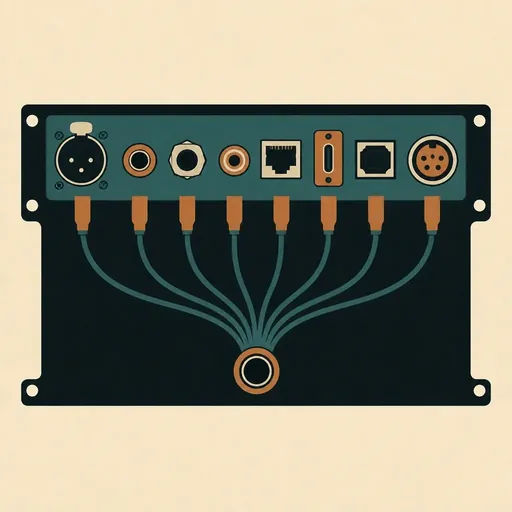 A semantic layer
  Evals you can check
 What changes
 Visits kept
 Schedule, availability, certification status and visit windows in one place, with the call-out risk visible the evening before, not the morning after.
 Clean claims
 GPS drift, late clock-ins and mismatches flagged while the caregiver is still on site and it can still be fixed.
 Compliance
 With enough warning to act, and an audit trail that shows you did.
Research
Each one carries its own figures and the citations behind them. Start with whichever sounds most like your week.
However hard, whatever it is
This page is about filling a gap before the shift. If yours is recruitment, mileage or an assessment window nobody tracks, we work the same way.
 01
01 Days where the work happens, not a workshop in a meeting room. We watch the job get done and write down the shortcuts nobody wrote down.
 02
02 Your data, your rules, your vendors and their documentation, and the published research on your sector. We report what is actually in there.
 03
03 Not which tool fixes this. What is actually causing it, taken apart until we reach the piece that cannot be divided further.
 04
04 Weeks, not quarters. By this point we are not guessing what to build, and guessing is the thing that makes projects long.
Where we sit
What you get
Built new for you — none of this exists in your stack today
What you already run — unchanged, and still yours
If a carer wrote it, we can capture it. A phone with no signal, a paper visit note, a fax from a surgery. All of it can reach one place.
 No API
  No documentation
 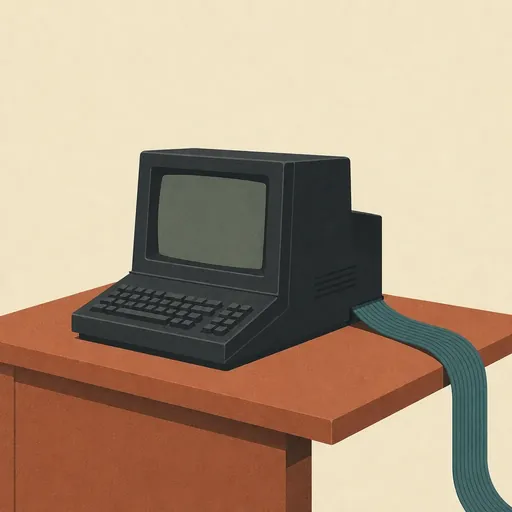 A terminal from 1994
  It arrives as paper
 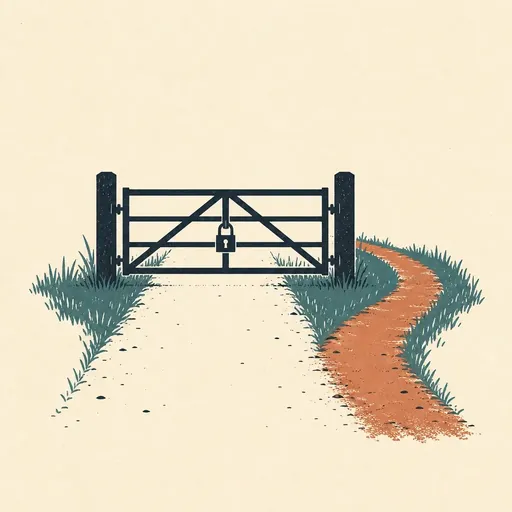 The vendor said no
  It reports nothing
 Not a list of limits. Name yours on the call.
And once we can reach it, a model can read it. Most of the value here is in the sources nobody ever structured — the note, the letter, the screen.
Who this is for
 Administrator
  Director of Clinical Services
  Scheduling Manager
  Compliance Officer
  Owner
Owner Straight answers

No. We build the operational layer that sits beside it — scheduling risk, EVV exceptions, compliance windows — and integrate with what you already run.

Yes, specifically around timeliness. The most common failure is a missed HUV window, and that is a tracking and alerting problem, not a clinical one.
We read your data first, over a few weeks, so we are both working from your real visit and claim records rather than guesses. A build after that usually takes a few months.

We measure it against notes a clinician has already assessed, and report accuracy before anyone acts on it. The clinician stays in charge.
Also in healthcare
Your team is not wrong about the denials. They just do not have four hours per appeal to prove it.
HealthcareDenials are not a billing problem. They are a documentation problem that surfaces as a billing problem.
HealthcareNinety-two percent of practices have hired or reassigned staff purely to keep up with it.
Next step
20 minutes. Free.
You tell us what is not working. We ask how the work really gets done.
A few weeks.
We read your systems, including the notes and letters no field holds. You get what is really in there, what it costs, and the accuracy we can hit.
A few months.
Only if step 2 says it is worth it. Fixed price, agreed before we start.