

Book a call
Tell us what is slowing you down.
Twenty minutes. Free. We spend most of it asking how the work really gets done, then say plainly what we would build and what it would take.
Start here
Tell us the shape of it, not the specification.
You do not need to have diagnosed the problem before writing. Naming it properly is the part we are good at, and it is what the twenty minutes is for.
However hard, whatever it is
You do not need a specification. You need twenty minutes.
Bring the problem in whatever shape it is in, including “something is wrong and I cannot name it”. Working out what it actually is happens to be the part we are good at.
-
 01
01 We sit with you
Days where the work happens, not a workshop in a meeting room. We watch the job get done and write down the shortcuts nobody wrote down.
-
 02
02 We read everything
Your data, your rules, your vendors and their documentation, and the published research on your sector. We report what is actually in there.
-
 03
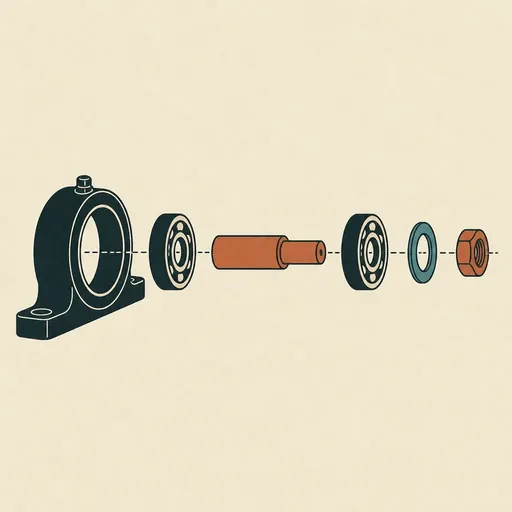
03 We break it to first principles
Not which tool fixes this. What is actually causing it, taken apart until we reach the piece that cannot be divided further.
-
 04
04 Then we build
Weeks, not quarters. By this point we are not guessing what to build, and guessing is the thing that makes projects long.
Intelligence, plumbed in
Ask us the three questions an AI supplier cannot fake.
What does your eval set look like, where does the semantic layer live, and what accuracy did you measure per source. We will answer all three.
How we make AI survive real data-
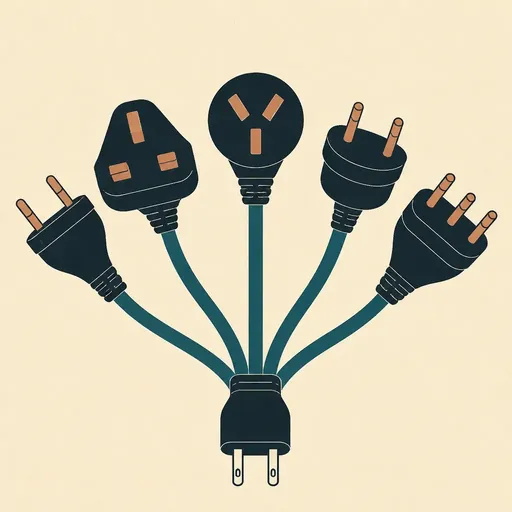 Connectors
 -
 A semantic layer
 -
 Evals you can check
What to write
Three lines is plenty.
What you run on
The main system you use, and roughly how many sites or users.
The question you cannot answer
The one where somebody has to go and build a spreadsheet.
What you already tried
The most useful line, and the one most people leave out.
After the call
Nothing happens that you have not agreed.
-
We talk
20 minutes. Free.
You tell us what is not working. We ask how the work really gets done.
-
We look at your data
A few weeks.
We read your systems, including the notes and letters no field holds. You get what is really in there, what it costs, and the accuracy we can hit.
-
We build
A few months.
Only if step 2 says it is worth it. Fixed price, agreed before we start.
Before you write
Whatever you bring, you get a straight answer.
You want your main system replaced
Then we build it. We will tell you first whether you actually need to. A replacement is the most expensive answer and not always the right one.
You already know exactly what you want built
Good. That makes it faster and cheaper. We build what you asked for, and flag anything we would do differently. You decide, not us.
You need something live in three weeks
We will tell you what is genuinely possible in three weeks and ship that part first. Usually more than you expect, and never the whole thing.
Nobody has been able to build it
That is the conversation we want most. Bring the system with no API, the machine with no port, the thing that does not exist yet.
No question here loses you the meeting.

Bring the thing nobody else would take on.
A system with no API, a machine with no port, a product that does not exist yet. The harder it sounds, the more we want the call.
See everything we build-
 Software
 -
 Hardware
 -
 Ways of working
 -
 Whole ventures