
Skip to content
Artifisys
Menu
Start a conversation Talk to us

What we build

Most of what we build has never existed before.

Software, hardware, and the way a team works around both. We start with what is broken in your week, and we make whatever that actually needs.

Four kinds of work

If it can be designed, it can be made. Including by us.

Software

From one screen that saves a team an hour a day, to the system the whole operation runs on.

  • Operational systems the floor actually uses
  • Apps that work with no signal and catch up later
  • Models that run on your own hardware, offline
  • The unglamorous screen that removes a daily hour
Hardware

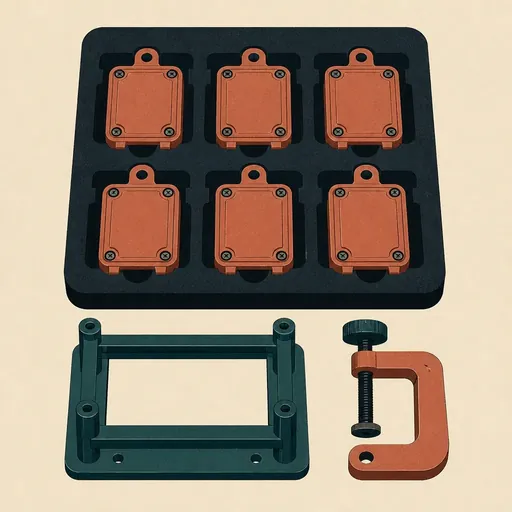
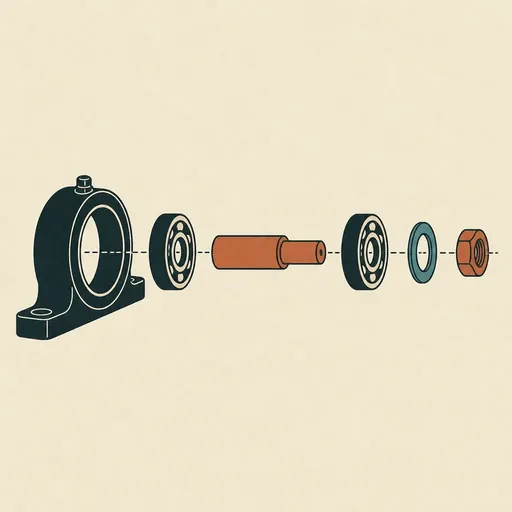
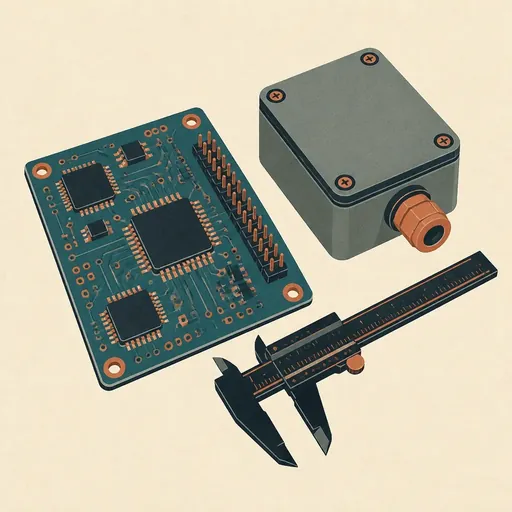
When the answer is not software. A sketch becomes a board, a board becomes a unit, a unit becomes a batch.

  • Sensors for machines with no port to read
  • Gateways that speak to equipment nobody documented
  • Wearables, tags and buttons that survive a real shift
  • Rugged units for sites with no network and no mercy

Systems and ways of working

Software cannot fix a process that was never agreed. Sometimes the build is the process.

  • The written way a job gets done, in one page
  • A weekly rhythm a manager can actually hold
  • Roles drawn so two people stop doing one job
  • Handovers that do not lose anything at 6am

Whole ventures

A product, the team that runs it, and the company around it. Started from nothing, more than once.

  • A product taken from an idea to paying users
  • The first engineering team, hired and set up
  • The operating model a founder can hand over
  • A second business built beside the first one

Intelligence, plumbed in

Intelligence is a layer, not a product.

It sits on connectors, a semantic layer and a warehouse. We build those, and the hardware underneath when nothing is measuring the thing yet.

How we make AI survive real data
  • Connectors
  • A semantic layer
  • Evals you can check

The part most suppliers get backwards

We build software around your people. Not people around our software.

The usual deal is that you buy a platform and then change forty working habits to suit it. That is why rollouts fail, and why the person who understood the job best is often the first to leave.

We watch the work first

A week on the floor, in the office, on the site. We learn the shortcuts nobody wrote down, because those shortcuts are usually the real process.

We build to the work, not over it

If the team writes on a whiteboard at 7am, the software fits around the whiteboard. We do not begin by telling forty people their habit was wrong.

Almost nobody needs training

The test we use: can somebody who was not in the meetings use it on their first shift, with nobody standing over them. If not, it is not finished.

Your best people stay your best people

The person who knew how the work really ran is the one a platform rollout usually drives out. We build so that knowledge gets easier to use, not replaced.

Hardware

When the answer is a thing you can hold.

Half the time the data you need is not in any system, because nothing is measuring it. Then the build starts with a board, not a screen.

  1. 01

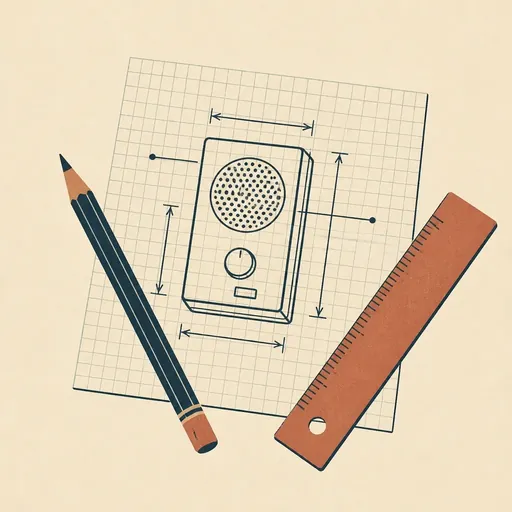
    Sketch and decide

    What it must do, what it must survive, what it must cost. On paper, in days.

  2. 02

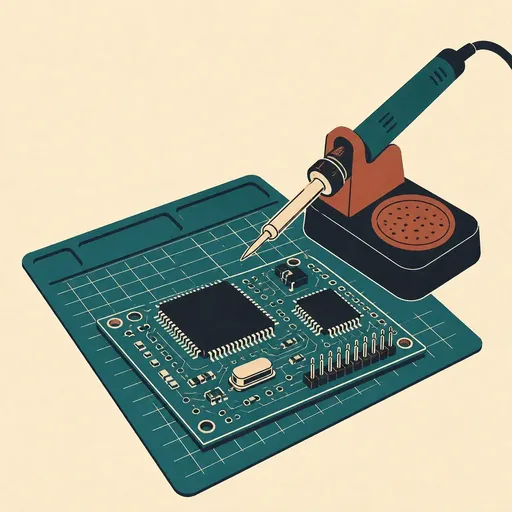
    Board and firmware

    Schematic, layout, first boards on the bench. The code that runs on them is ours too.

  3. 03

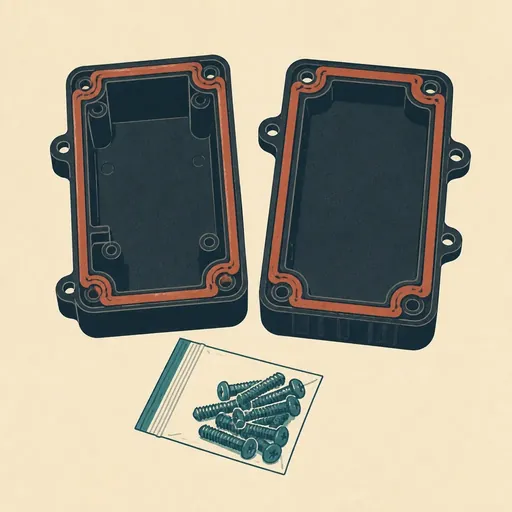
    Enclosure

    Printed, then tooled if the numbers call for it. Sealed for dust, water, heat or a forklift.

  4. 04

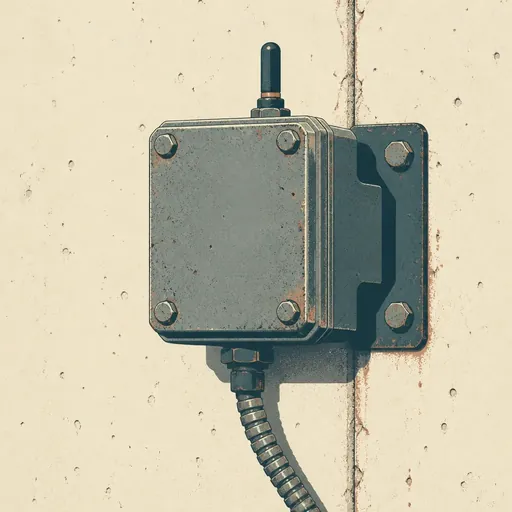
    One unit, in the field

    In the plant, on the vehicle, on a wrist. Real conditions break assumptions that a bench never will.

  5. 05

    A batch you can rely on

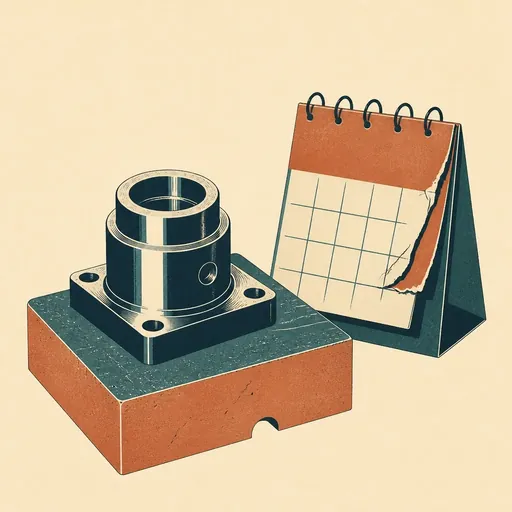
    Small-run build, test jig, serial numbers, spares. Enough to run an operation on.

However hard, whatever it is

If it can be designed, it can be understood first.

Everything on this page is something we have made. The reason we can make it is the four steps below. We do not start building until we know what is actually causing the problem.

  1. 01

    We sit with you

    Days where the work happens, not a workshop in a meeting room. We watch the job get done and write down the shortcuts nobody wrote down.

  2. 02

    We read everything

    Your data, your rules, your vendors and their documentation, and the published research on your sector. We report what is actually in there.

  3. 03

    We break it to first principles

    Not which tool fixes this. What is actually causing it, taken apart until we reach the piece that cannot be divided further.

  4. 04

    Then we build

    Weeks, not quarters. By this point we are not guessing what to build, and guessing is the thing that makes projects long.

The hard edge

Nothing is out of scope on principle.

Some of this needs a partner, a licence or a test range. We tell you which on the first call, not after you have signed.

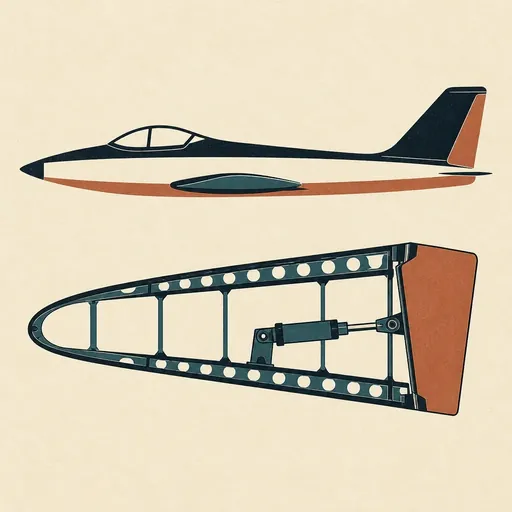
  • Flight hardware

    Airframes, actuation, avionics
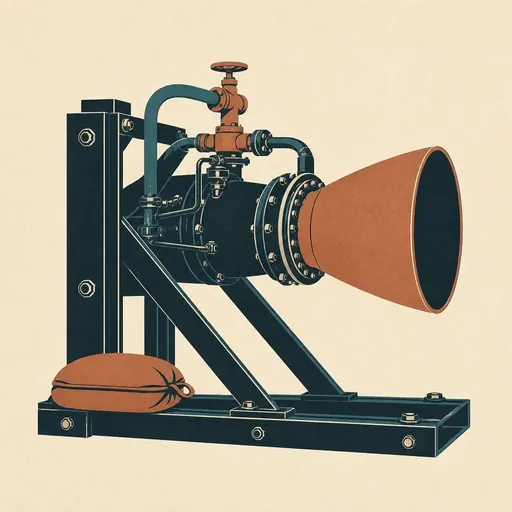
  • Propulsion and test rigs

    Needs a range and a permit
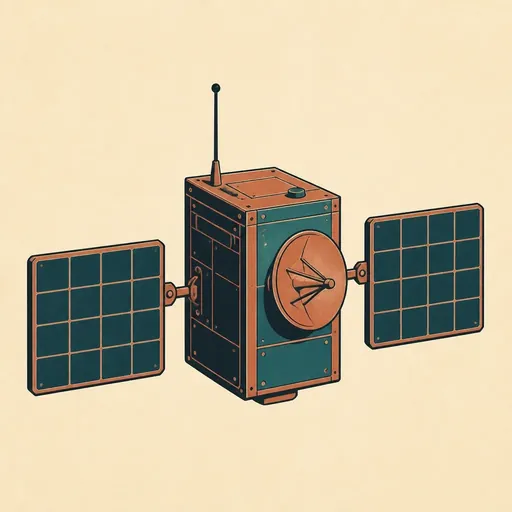
  • Small satellites

    Bus, payload, comms budget
  • Ground stations

    Antenna, tracking, offline software
  • Guided systems

    Licensed work, with a cleared partner
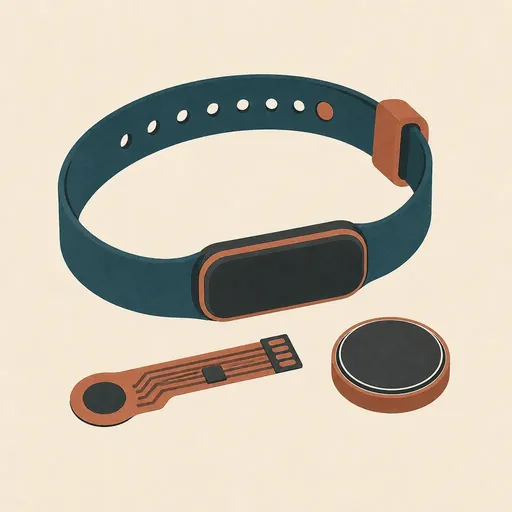
  • Wearables

    Body-worn, medical or industrial
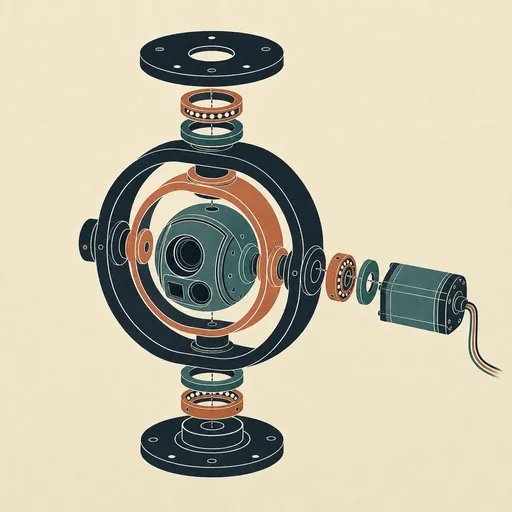
  • Instruments

    Measure something nothing else can
  • Machines that move

    Arms, rovers, handling rigs

How both can be true

Narrow enough to know your week. Broad enough to build what it needs.

The narrow part is what we know

We have written a page on each sector we work in, with the figures and the sources. You can read it before you speak to us and judge whether we understand your week.

See the sectors we have studied

The broad part is what we make

Engineering transfers. A queue behaves the same whether it holds insurance claims or castings. A sealed enclosure keeps water out of a sensor on a dairy farm and on a runway.

Tell us what you need made

Straight answers

The fair questions about a claim this wide.

  • You show integration diagrams everywhere. Are you a build company or a plumbing company?

    A build company. Integration is usually the first project, because that is where the pain is, and it earns the right to the bigger work. Most of what we ship afterwards did not exist before.

  • Do you really do hardware, or do you mean you buy a device and write an app?

    Really hardware. Schematic, board layout, firmware, enclosure, test jig, small-run build. When an off-the-shelf unit does the job we will tell you to buy it, because that is cheaper for you.

  • How can you know twenty-three industries and also build anything?

    Those are two different things. The industry knowledge is research, written down, and you can read it on this site. The building is engineering, and engineering transfers. A queue is a queue whether it holds claims or castings.

  • Can you actually build a satellite or a rocket?

    The engineering, yes, with the right partner for the parts that need a licence, a range or a cleared facility. We say which parts those are in the first call rather than after you have signed.

  • We already have a software team. What would you do?

    Whatever they do not have time or hardware skill for. Often we build the first version and hand it over, with the code, the boards and the documentation. Being kept is a choice, not a lock-in.

  • Our team hates the last system they were given. Why would this be different?

    Because we spend the first week watching how they work instead of telling them. If the software needs a training programme to be used, we treat that as our mistake, not theirs.

Intelligence is one layer. We build the rest of the stack too.

The connector, the warehouse, the screen the team actually uses, and the sensor when nothing is measuring the thing you want to predict.

See everything we build
  • Software
  • Hardware
  • Ways of working
  • Whole ventures