

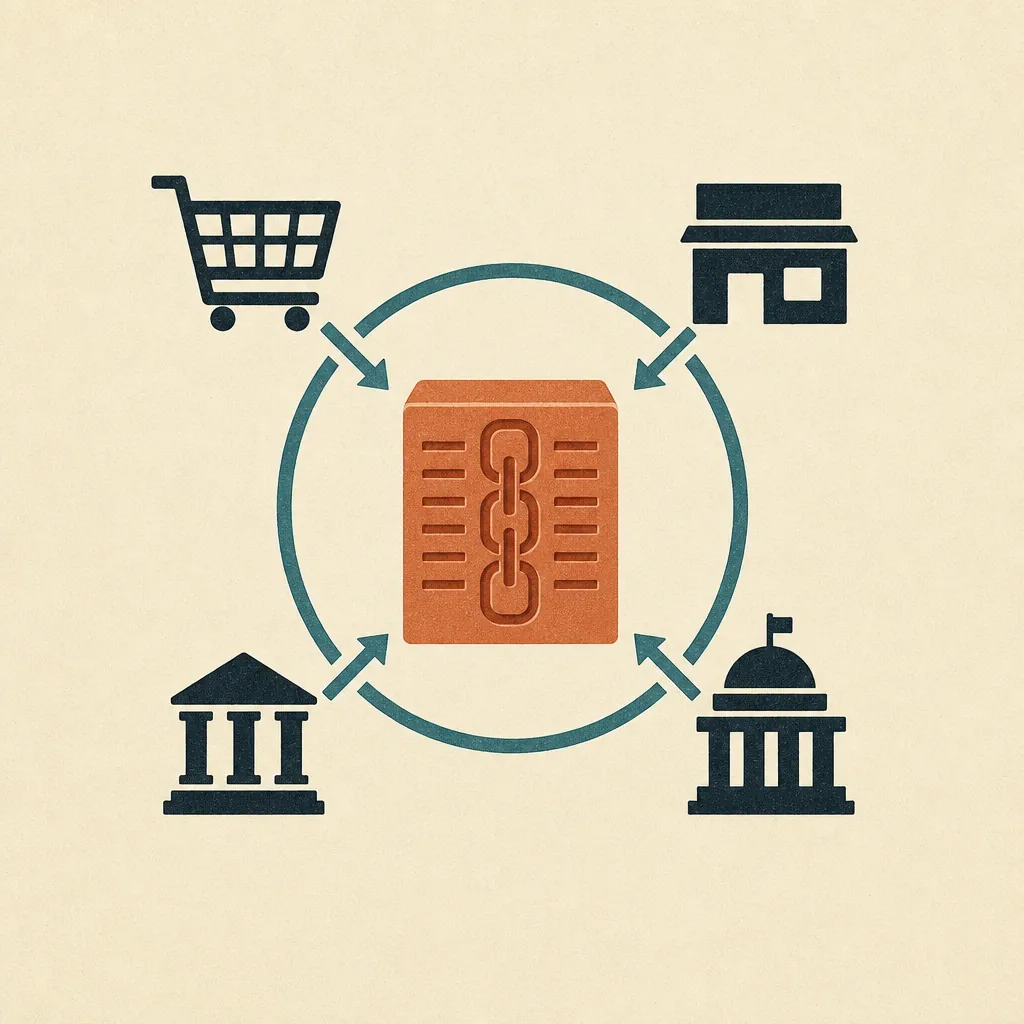
Traceability moved from advantage to requirement
Buyers, retailers, lenders and regulators now all ask for the same record, and none of them accept one pieced together afterwards.
Supply chain & industry
FSMA 204, EUDR and retailer GlobalGAP requirements all expect a record you can produce on demand, whenever they land.
earliest date the FDA will enforce the food traceability rule, after Congress directed a delay.
Source: FDA: FSMA final rule on additional traceability records for certain foods
What is happening
Buyers, retailers, lenders and regulators now all ask for the same record, and none of them accept one pieced together afterwards.
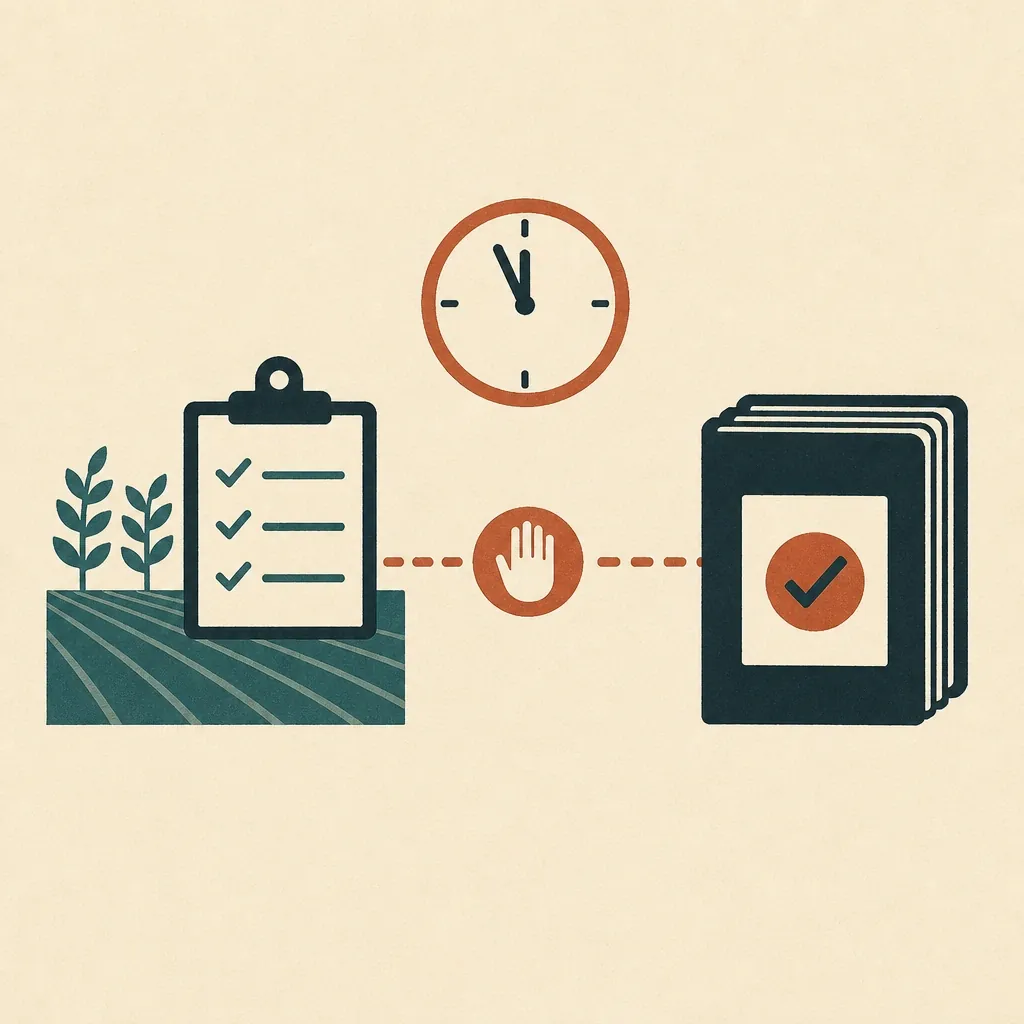
Agronomists capture in one place, compliance reports from another, and the join is manual at exactly the moment there is no time.
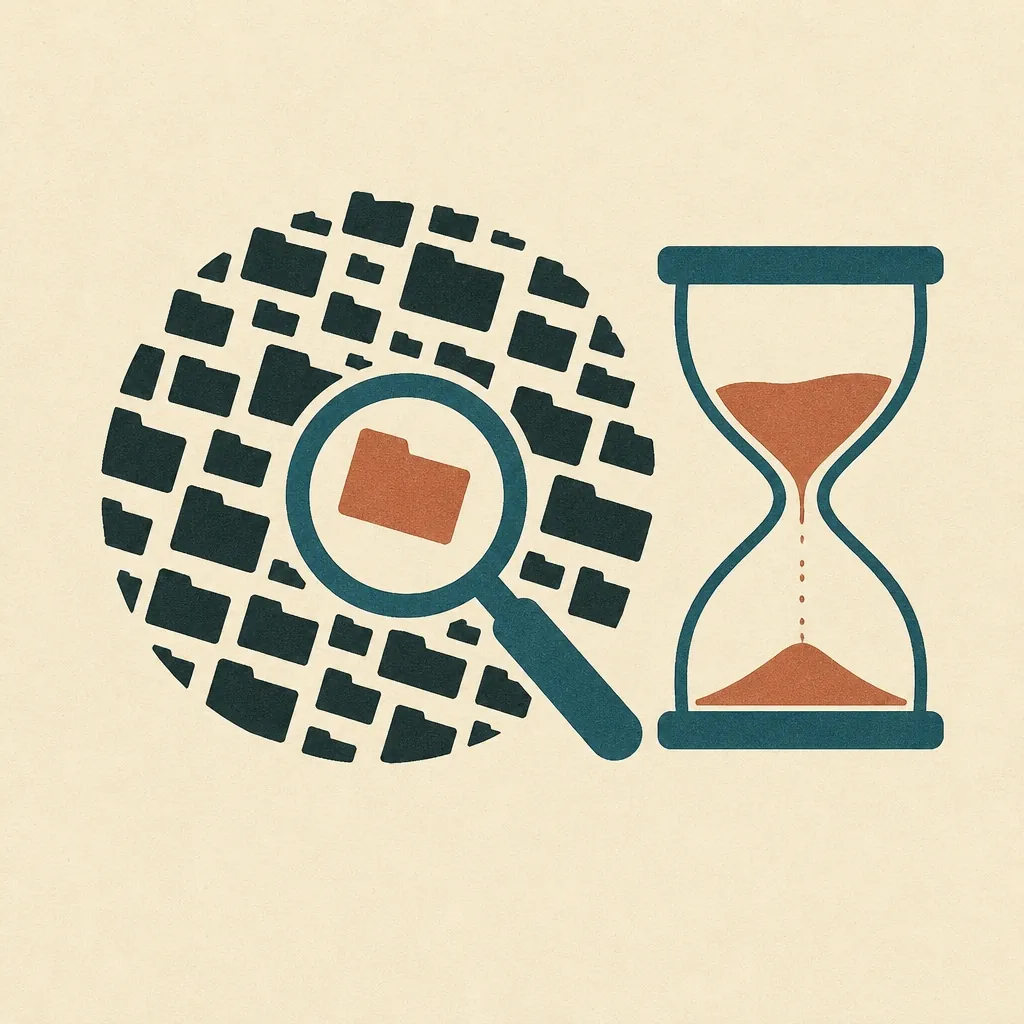
Working out which lots contained a suspect input, and where they went, is a manual exercise under time pressure.
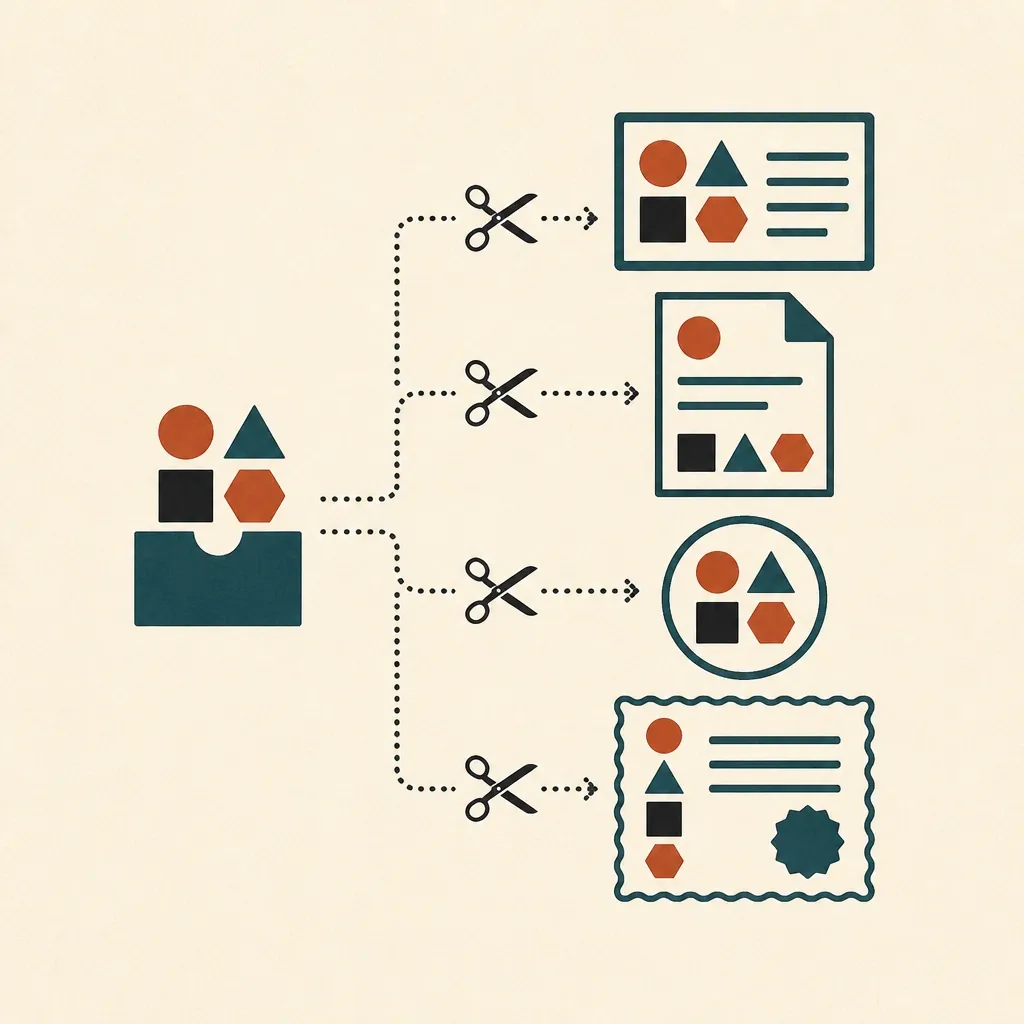
The same underlying facts, reformatted by hand for each customer and each certification body.
Intelligence, plumbed in
We build the reader, then check every extraction against the paper for a month before anyone relies on it.
How we make AI survive real data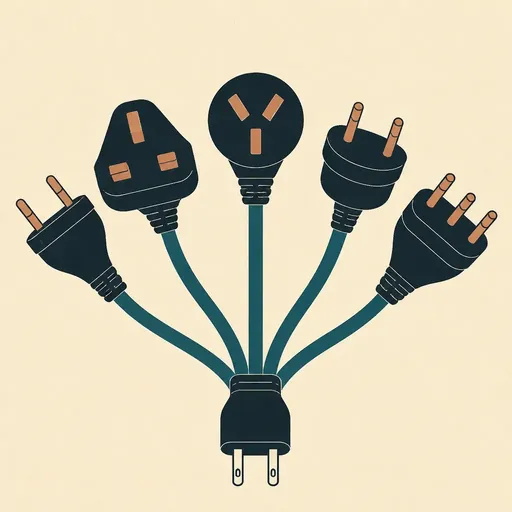 Connectors
 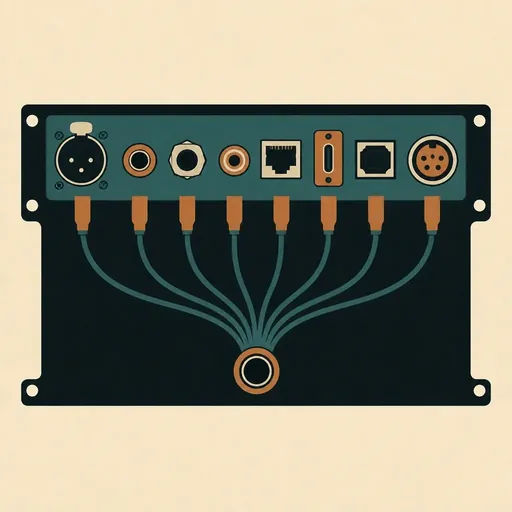 A semantic layer
 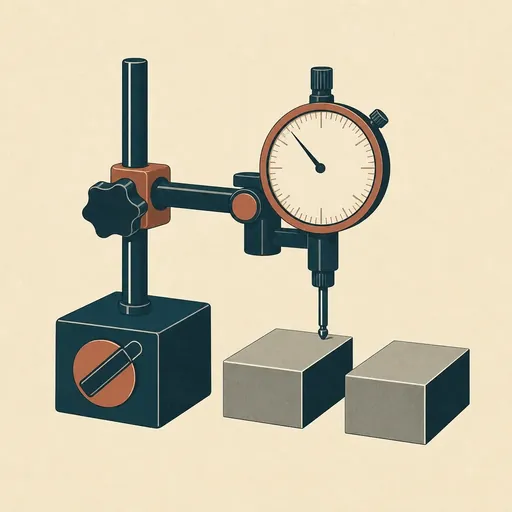 Evals you can check
 What changes
 One record
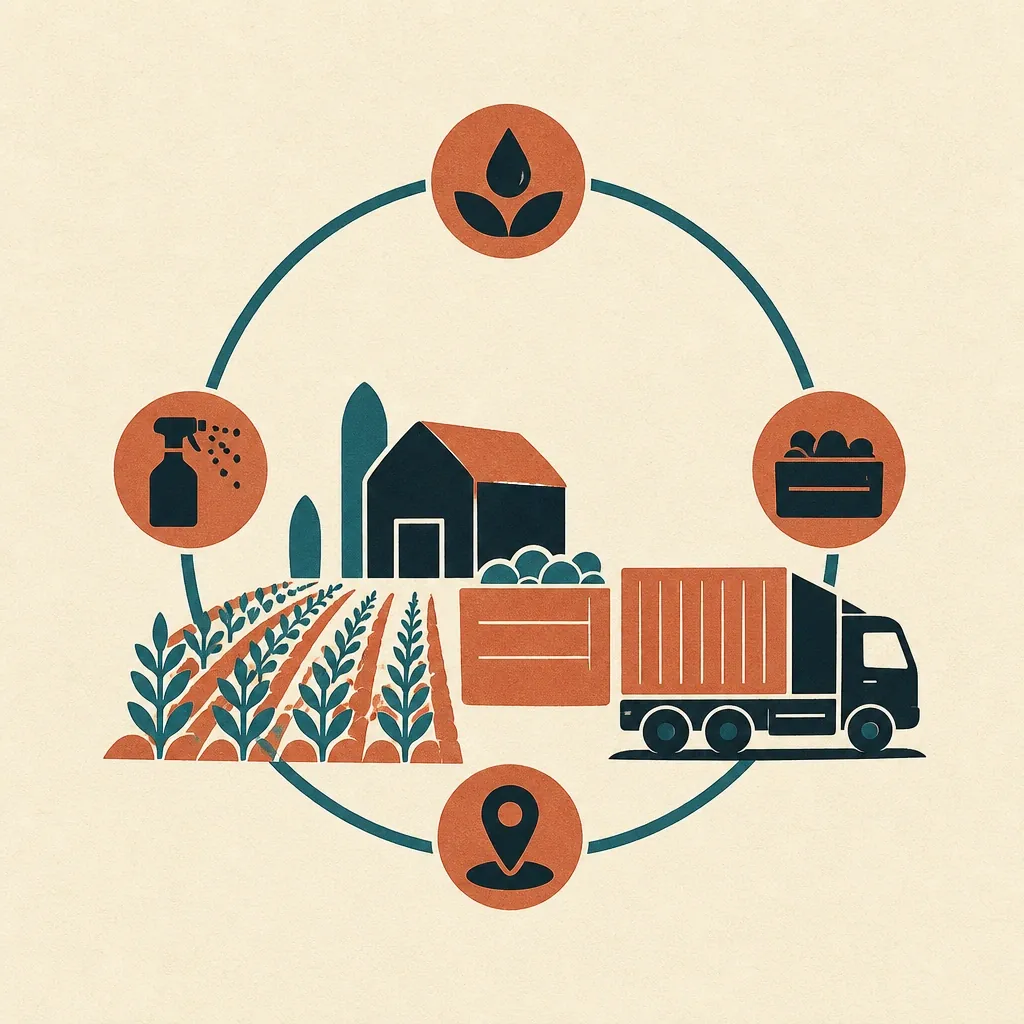
 Inputs, treatments, harvest, lot and destination linked as they happen rather than assembled at audit time.
 Minutes
 Which lots, which inputs, which customers — as a query rather than an investigation.
 Any format
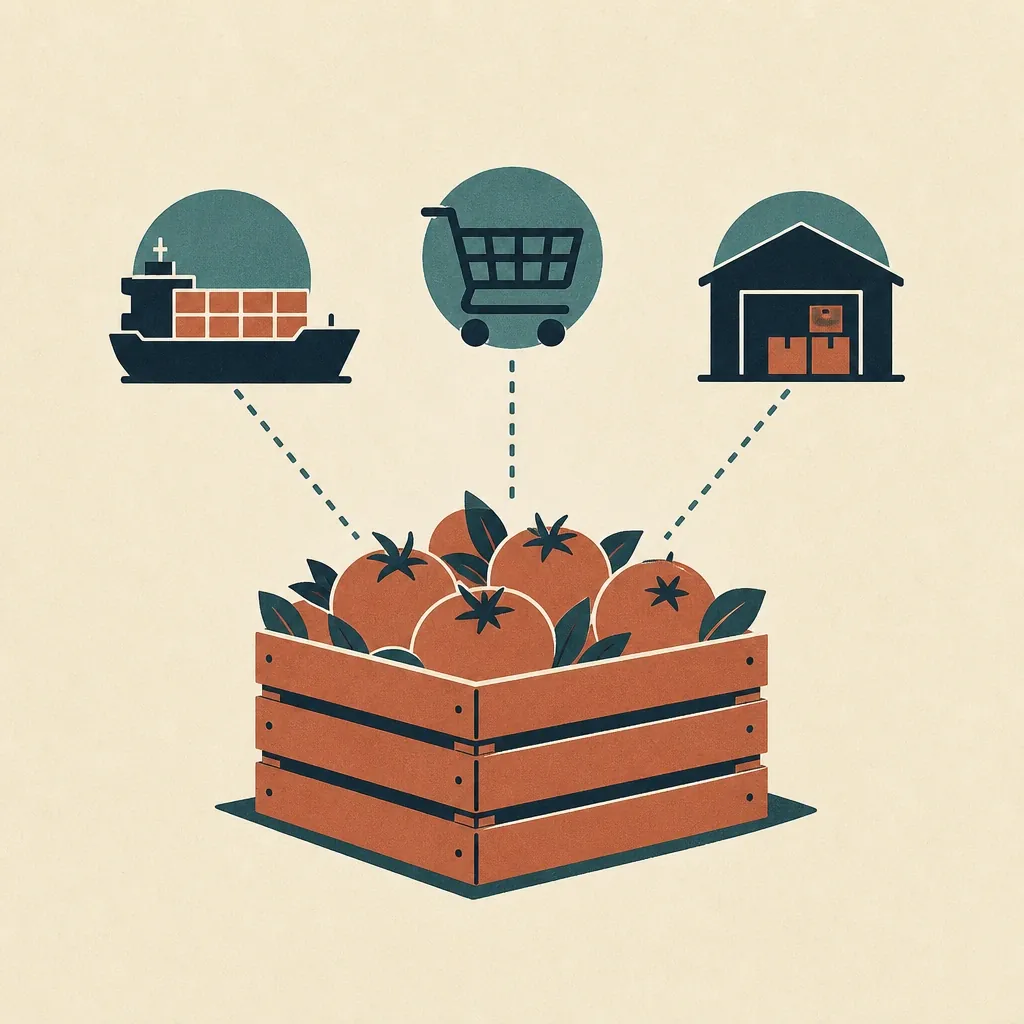
 EUDR, FSMA 204 and GlobalGAP outputs generated from the same record.
Research
Each one carries its own figures and the citations behind them. Start with whichever sounds most like your week.
However hard, whatever it is
This page happens to be about records an auditor will accept. If your problem is yield, labour or a machine nobody can read, that is the same job for us.
 01
01 Days where the work happens, not a workshop in a meeting room. We watch the job get done and write down the shortcuts nobody wrote down.
 02
02 Your data, your rules, your vendors and their documentation, and the published research on your sector. We report what is actually in there.
 03
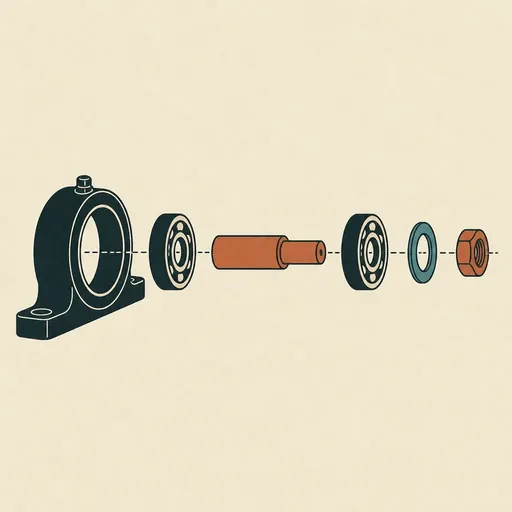
03 Not which tool fixes this. What is actually causing it, taken apart until we reach the piece that cannot be divided further.
 04
04 Weeks, not quarters. By this point we are not guessing what to build, and guessing is the thing that makes projects long.
Where we sit
What you get
Built new for you — none of this exists in your stack today
What you already run — unchanged, and still yours
If a farm can write it down, we can read it. Weighbridge printouts, handwritten field books, a scale with one serial port. All of it becomes data.
 No API
  No documentation
  A terminal from 1994
 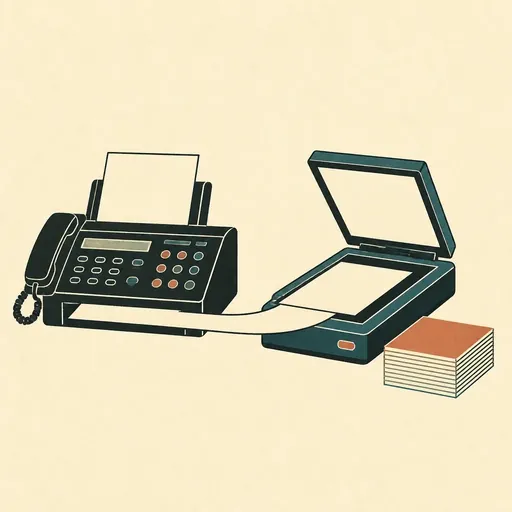 It arrives as paper
 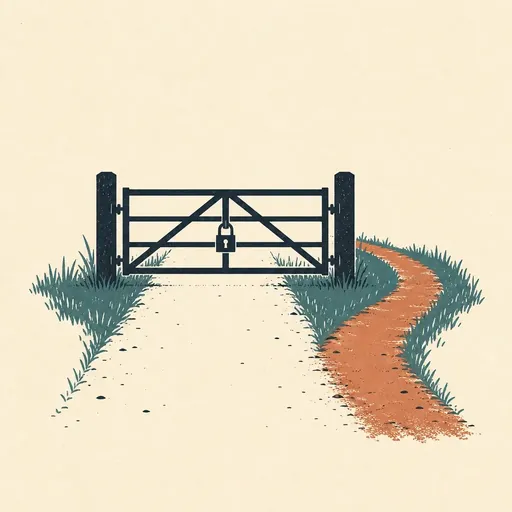 The vendor said no
 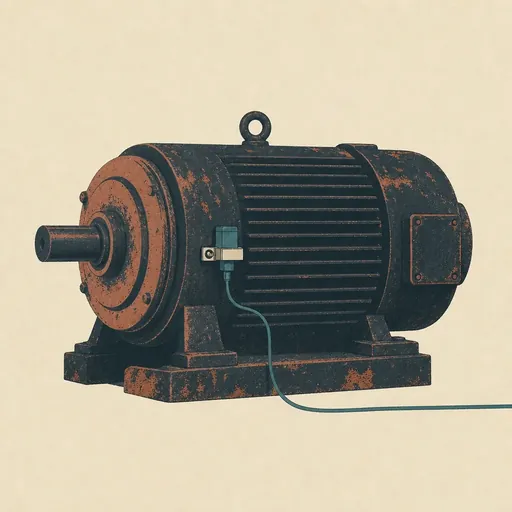 It reports nothing
 Not a list of limits. Name yours on the call.
And once we can reach it, a model can read it. Most of the value here is in the sources nobody ever structured — the note, the letter, the screen.
Who this is for
 Head of Quality
  Compliance Manager
 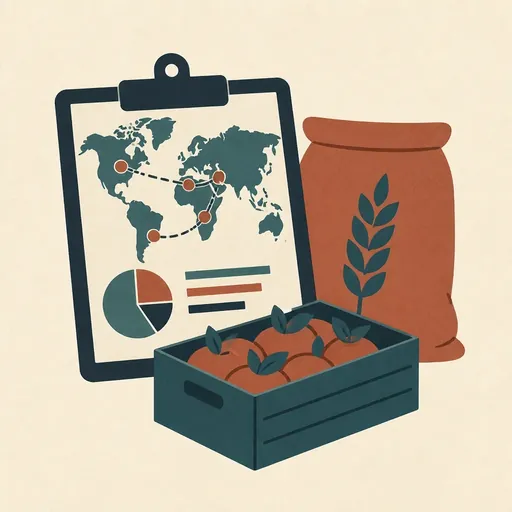 Supply Chain Director
  Operations Head
  Agronomy Lead
 Straight answers
Then the capture cannot depend on them using software. That usually means SMS, a WhatsApp flow, a simple scan, or a sensor — whatever fits how they already work. A system that requires behaviour change at the farm level will not produce a complete record.

FSMA 204, EUDR and GlobalGAP are the three currently converging. The design principle is to capture the underlying facts once and generate each format from them, because the regulations will keep changing.

Yes, including sensor integration. We build embedded and sensor systems as well as the software above them, which matters when temperature excursion evidence is part of the record.
Yes. We build the reader, then check every extraction against the paper for a month. Accuracy is a number we report, not a promise.
Also in supply chain & industry
Stockouts and excess inventory persist in organisations that bought every system designed to prevent them.
Supply chain & industryProduction runs on the floor. Reporting runs on a spreadsheet assembled the following morning.
Supply chain & industryAnd the average project still overruns by twenty-eight percent.
Next step
20 minutes. Free.
You tell us what is not working. We ask how the work really gets done.
A few weeks.
We read your systems, including the notes and letters no field holds. You get what is really in there, what it costs, and the accuracy we can hit.
A few months.
Only if step 2 says it is worth it. Fixed price, agreed before we start.