

How we work
We look before we promise.
Most suppliers open by showing you software built for somebody else. We open by reading yours.
The steps
Three steps. Stop after any one.
-
We talk
20 minutes. Free.
You tell us what is not working. We ask how the work really gets done.
-
We look at your data
A few weeks.
We read your systems, including the notes and letters no field holds. You get what is really in there, what it costs, and the accuracy we can hit.
-
We build
A few months.
Only if step 2 says it is worth it. Fixed price, agreed before we start.
After the build we can host it, watch it and keep it working when your other suppliers change things. That part is optional.
Intelligence, plumbed in
We agree the accuracy number before we build anything.
A scored test set from your own records, accuracy per source rather than one average, and the list of what it still gets wrong.
How we make AI survive real data-
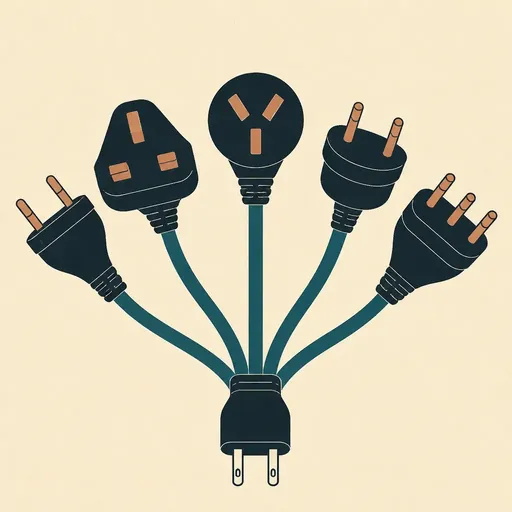 Connectors
 -
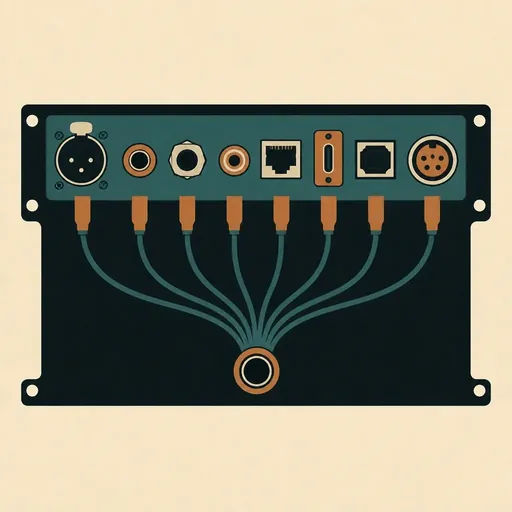 A semantic layer
 -
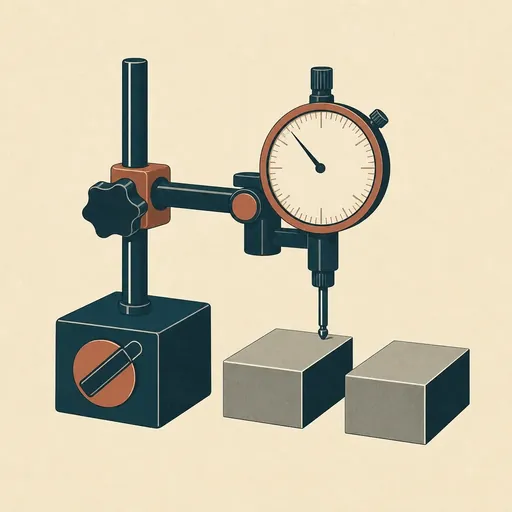 Evals you can check
What we change
We take the typing out of the middle.
Today
Two people. Every single time.
-
 An order comes in Email, portal, or paper
 -
 Your main system Where it should end
 -
 Somebody types it again First person
 -
 Into a spreadsheet Second person
 -
 You decide Tomorrow, if nothing slips
With us
Nobody types anything.
- The same order comes in Nothing changes here
-
 Your system, plus our layer A model reads it. Writes nothing unapproved.
 -
 You decide While it still matters
However hard, whatever it is
We would rather understand it than scope it.
A specification written before anybody understood the problem is the most expensive document in software. So we do the understanding first, and it is the part that makes the build short.
-
 01
01 We sit with you
Days where the work happens, not a workshop in a meeting room. We watch the job get done and write down the shortcuts nobody wrote down.
-
 02
02 We read everything
Your data, your rules, your vendors and their documentation, and the published research on your sector. We report what is actually in there.
-
 03
03 We break it to first principles
Not which tool fixes this. What is actually causing it, taken apart until we reach the piece that cannot be divided further.
-
 04
04 Then we build
Weeks, not quarters. By this point we are not guessing what to build, and guessing is the thing that makes projects long.
What we believe
Four things we hold to.
Each one costs us something. That is how you know we mean them.
Joining systems up is the hard part
A dashboard is the easy half. Getting two systems to agree on one fact is where the real work is.
Extra work gets dropped
If we add a step to someone’s day, they will stop doing it by week two and not tell you. So every field we add either replaces something, or fills itself.

Replacing everything is the riskiest choice
It takes years and lands in a world that has moved on. Fixing the worst gaps takes months and does not bet the business.
The clever bit is not the hard bit
AI is good now. What still fails is the plumbing — IDs, formats, deadlines, getting the record out. That is the part we do.
Straight answers
Worth asking us
-
Why do you look at our data before quoting a build?
Because data is never what people think it is. A field everyone believes is always filled in turns out to be empty half the time. Looking first means you find that out early, not six months in.
-
What if you find we should not build anything?
Then we say so. It costs us a project and keeps your trust, which is the better trade for us.
-
How much does it cost?
It depends on how big your operation is, so we do not put a number on this page. We work it out with you on the call and agree it in writing before anything starts. No hourly billing that drifts.
-
How long does it take?
Looking at your data takes a few weeks. A build usually takes a few months. Anyone who promises you a working system in three weeks is either doing something tiny or not being straight with you.
-
What happens to our data?
We read it, we do not change it. It stays in the country you choose. It is encrypted, and every access is logged. If your industry needs a specific agreement signed, we sign it before we get access, not after.
-
Where does AI fit in how you work?
Step 2 is where it starts. We read your data, including the text no field holds, and come back with the accuracy a model can hit on it. Nothing is promised before that.
-
Do you work with our current suppliers?
Usually alongside them. Sitting on top of your main system is cheaper, so it is where we start. We will replace a system when that is genuinely the better answer. If a supplier says an integration is impossible, ask them to put the reason in writing.
The process is the same whether it is code or a circuit board.
We look, we say what we found, we build. That holds for an app, a sensor, a written process, or a company started from nothing.
See everything we build-
 Software
 -
 Hardware
 -
 Ways of working
 -
 Whole ventures