

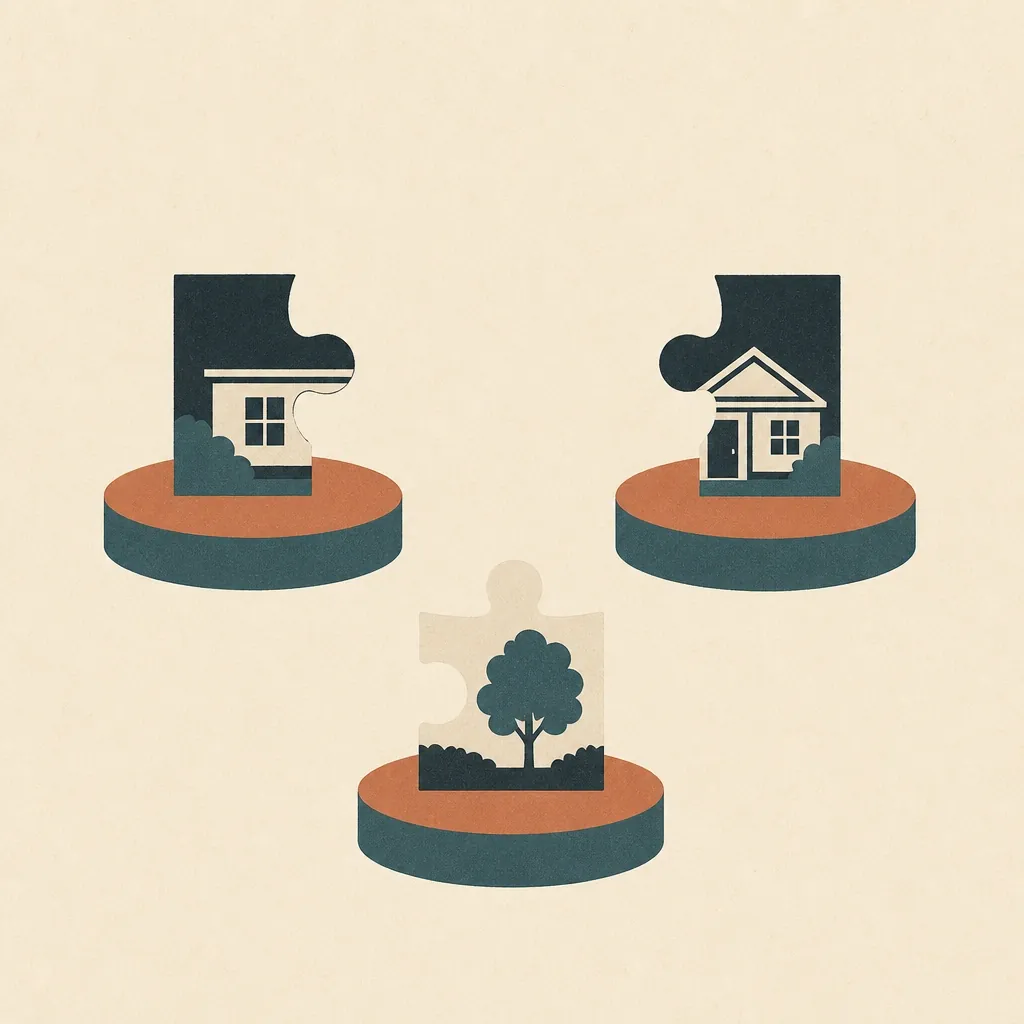
5 systems One per level of care, none connected
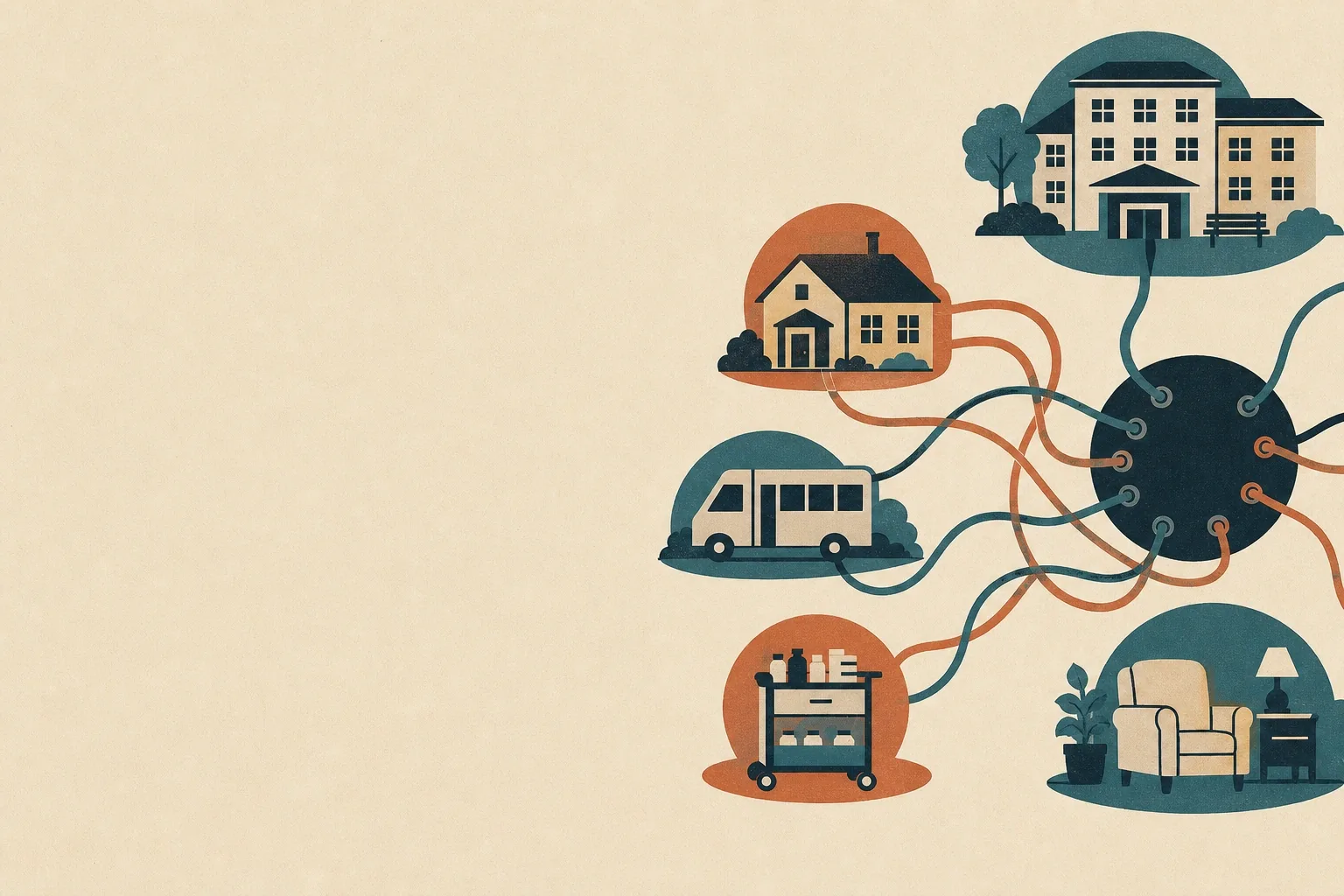
Independent living, assisted living and memory care each end up on a different platform. Nobody has a resident's whole picture.
Healthcare
Operators say it themselves: integration is the problem, not the number of devices.
US adults aged 65 and over report falling each year, and falls are the leading cause of injury death for that group.
What is happening
Independent living, assisted living and memory care each end up on a different platform. Nobody has a resident's whole picture.
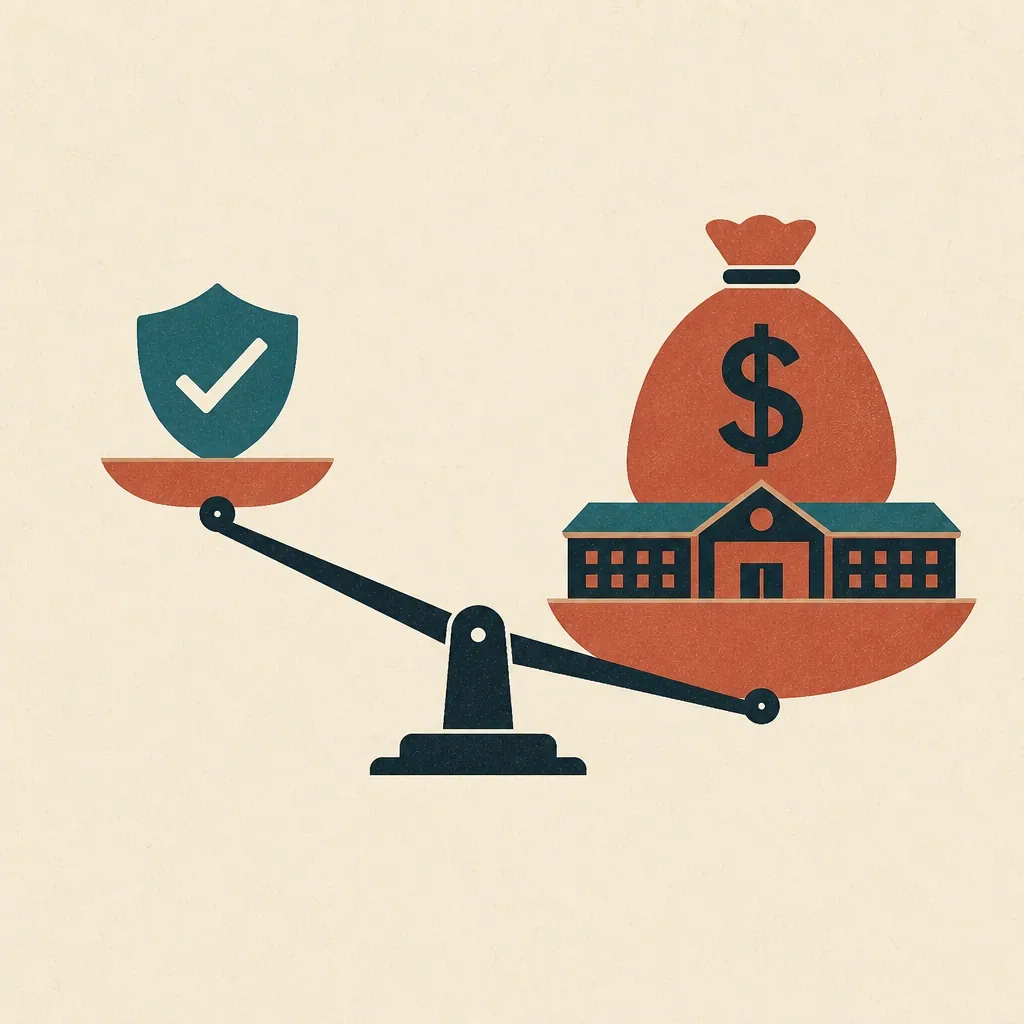
One prevented fall pays for a year of monitoring across a wing. In memory care the average fall costs $9,300, up 77% since 2022.
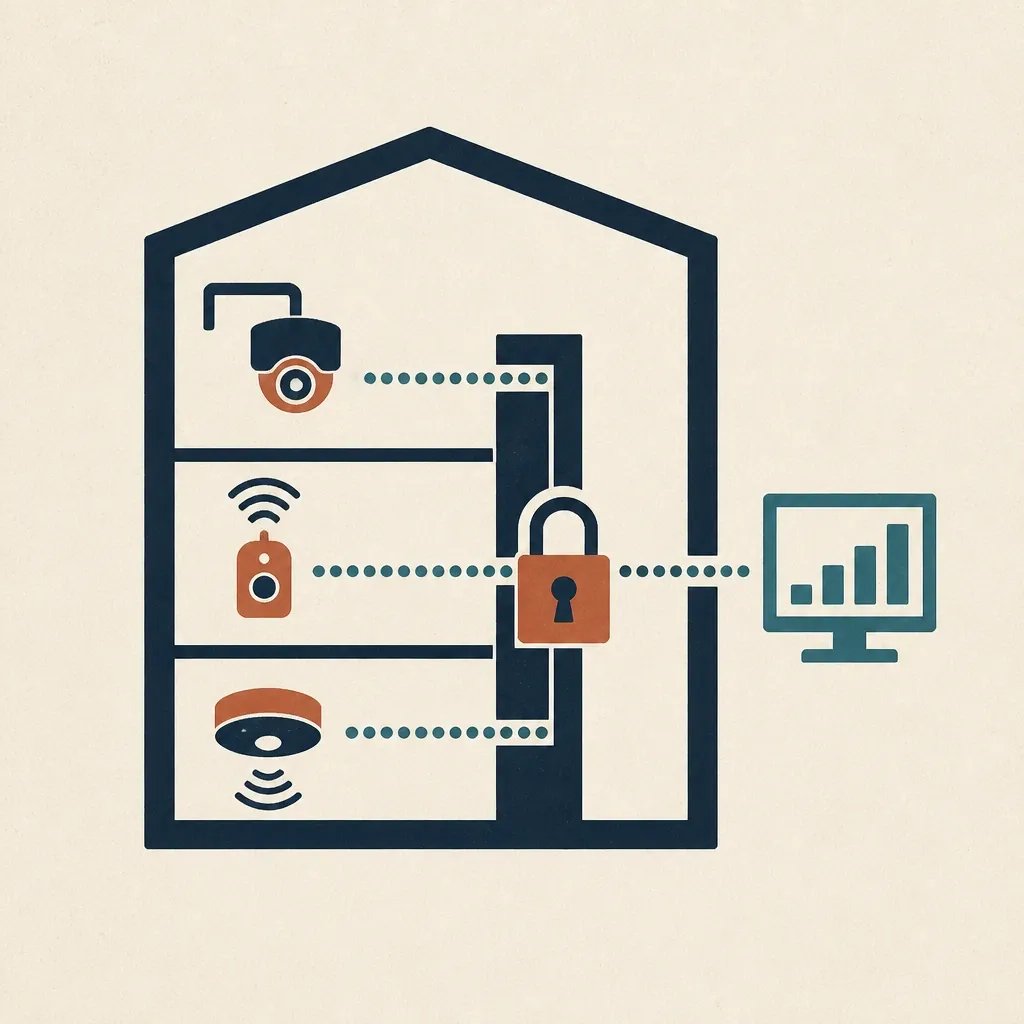
Adoption is not the gap. The devices are in the building. The data from them is not anywhere a manager can act on it.
CMS has tightened guidance on resident care and fall risk, and underwriters are asking harder questions. Evidence that a check happened matters as much as the check.
Intelligence, plumbed in
The build is a panel connector, one resident identity across five systems, and a test against incidents you already had.
How we make AI survive real data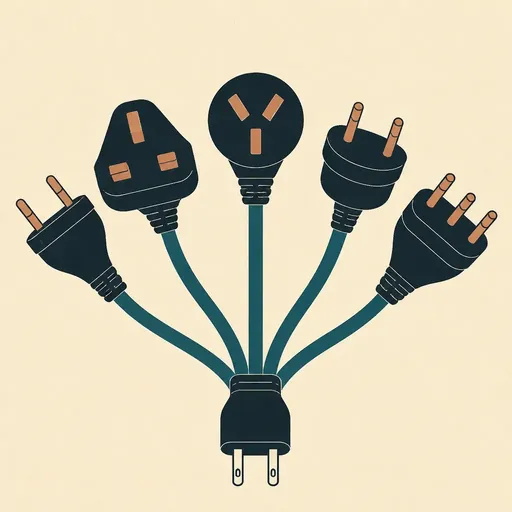 Connectors
 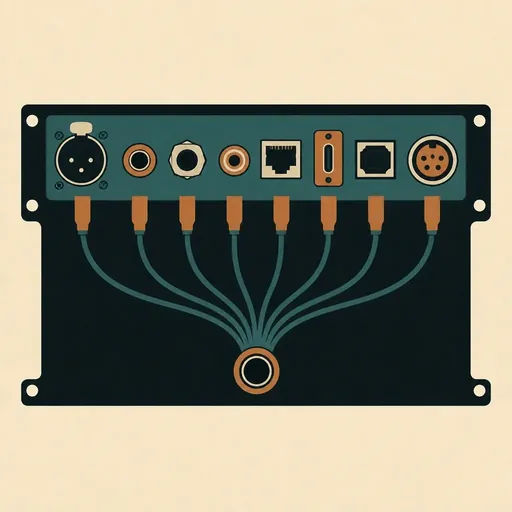 A semantic layer
 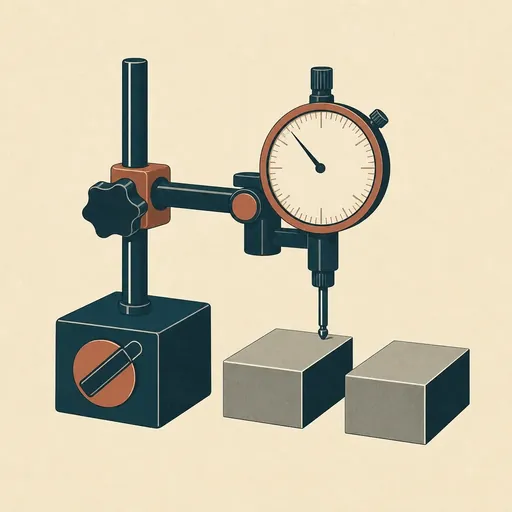 Evals you can check
 What changes
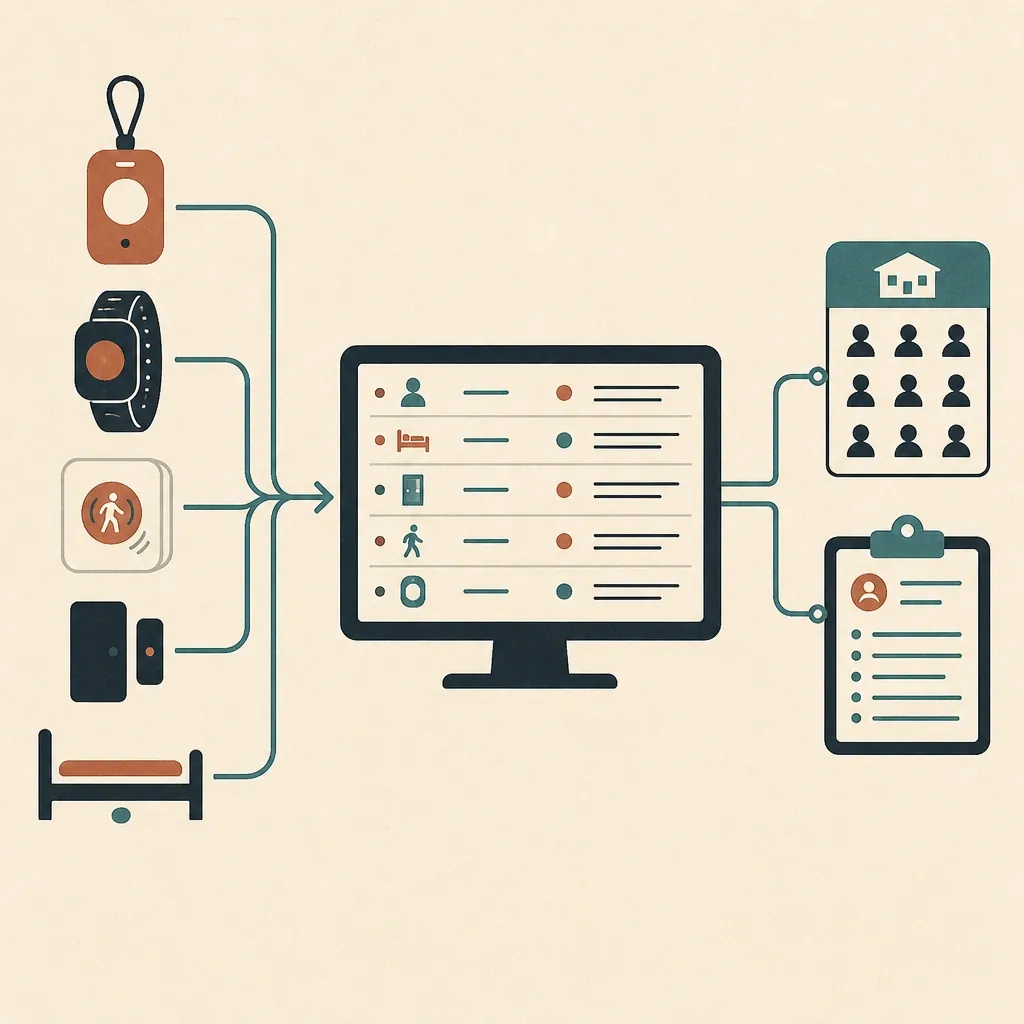 One picture
 Nurse call, fall detection, wearables, door and bed sensors normalised into one event stream, next to census and care plans.
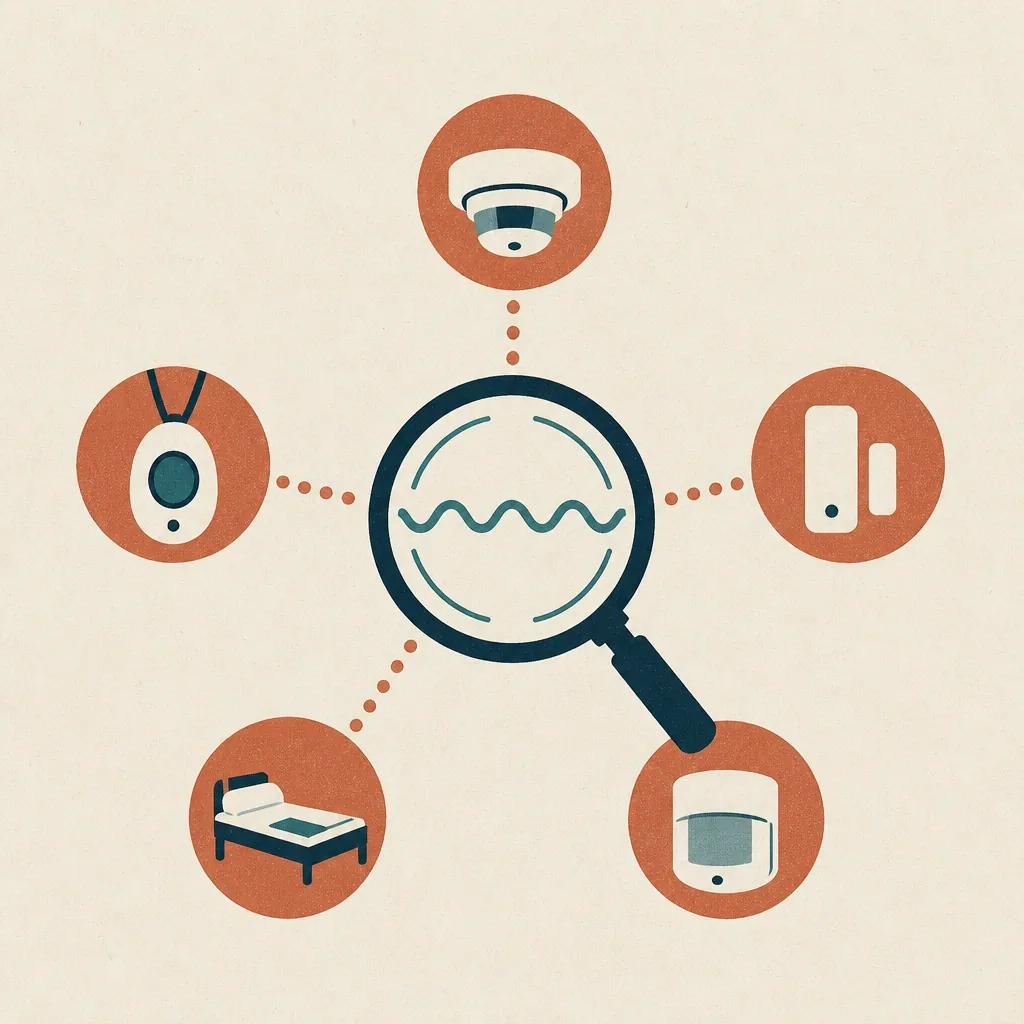 Earlier signal
 Patterns across devices that no single vendor's dashboard can see, because no single vendor has the other four feeds.
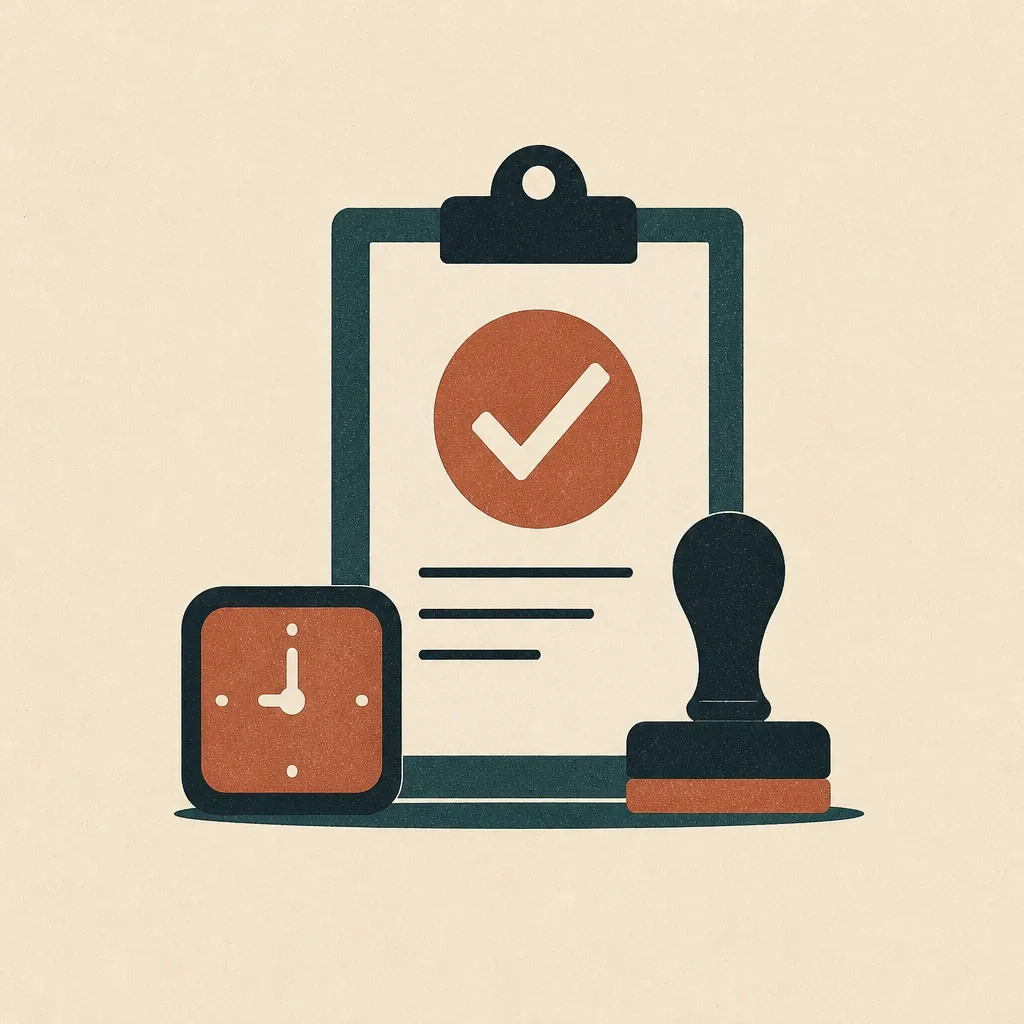 Evidence
 For the family conversation, the survey, and the insurer.
Research
Each one carries its own figures and the citations behind them. Start with whichever sounds most like your week.
Falls are the leading cause of injury death for people over 65. The signals that precede one are already being recorded, in systems that do not talk.
United StatesThe sensors work. The problem is that each one arrived with its own screen.
However hard, whatever it is
This page is about one resident record. If yours is occupancy, agency cover or an incident nobody saw coming, we start the same way.
 01
01 Days where the work happens, not a workshop in a meeting room. We watch the job get done and write down the shortcuts nobody wrote down.
 02
02 Your data, your rules, your vendors and their documentation, and the published research on your sector. We report what is actually in there.
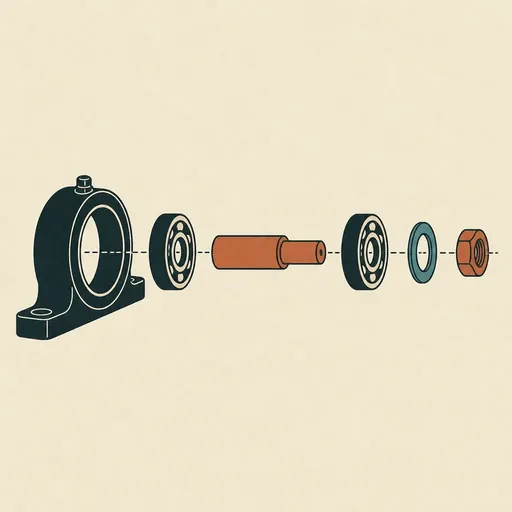 03
03 Not which tool fixes this. What is actually causing it, taken apart until we reach the piece that cannot be divided further.
 04
04 Weeks, not quarters. By this point we are not guessing what to build, and guessing is the thing that makes projects long.
Where we sit
What you get
Built new for you — none of this exists in your stack today
What you already run — unchanged, and still yours
If a device or a chart records it, we can reach it. A nurse call panel, a clinical system with no API, a property ledger. All of it can be joined.
 No API
  No documentation
  A terminal from 1994
 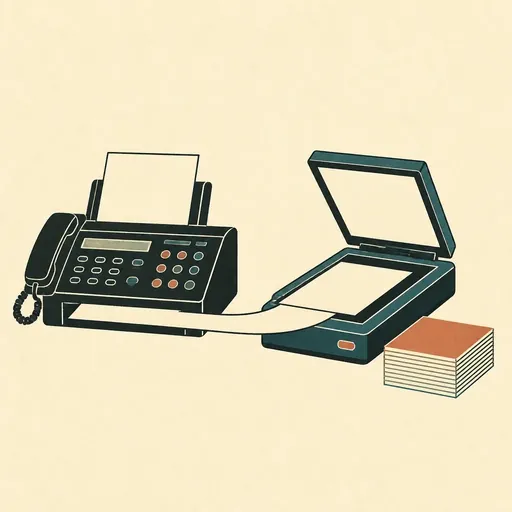 It arrives as paper
 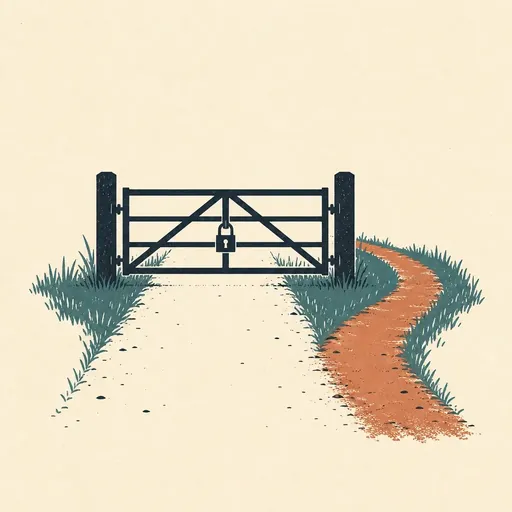 The vendor said no
 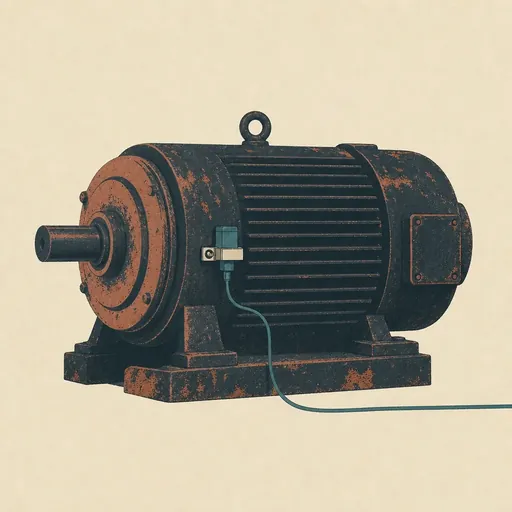 It reports nothing
 Not a list of limits. Name yours on the call.
And once we can reach it, a model can read it. Most of the value here is in the sources nobody ever structured — the note, the letter, the screen.
Who this is for
 Executive Director
  VP of Operations
  Director of Health & Wellness
  Risk Manager
  Owner / Operator
 Straight answers
No, deliberately. You already have devices. What you do not have is a layer they all report into. We build that, which means every sensor vendor becomes a partner rather than something you have to rip out.
Not as we build it. We report what happened: a resident has not moved in 40 minutes, a door opened at 2am. We leave the clinical judgement to your clinicians. That line is what keeps it a wellness product rather than a regulated device. We hold to it in the software and in what we claim.
Event data is minimised by design and access is role-scoped and logged. Where inference is useful, we prefer to run it on the device so that raw audio or video never leaves the building.
Joined with the care notes, yes. We test the picture against incidents you already had. The night staff see a floor screen, not a report.
Also in healthcare
Your team is not wrong about the denials. They just do not have four hours per appeal to prove it.
HealthcareDenials are not a billing problem. They are a documentation problem that surfaces as a billing problem.
HealthcareNinety-two percent of practices have hired or reassigned staff purely to keep up with it.
Next step
20 minutes. Free.
You tell us what is not working. We ask how the work really gets done.
A few weeks.
We read your systems, including the notes and letters no field holds. You get what is really in there, what it costs, and the accuracy we can hit.
A few months.
Only if step 2 says it is worth it. Fixed price, agreed before we start.