


28% Average cost overrun
Rising to 45% on projects above $100 million. Schedule overruns from rework alone reach 22%.
Supply chain & industry
And the average project still overruns by twenty-eight percent.
the period in which US highway, street and bridge productivity declined, while industrial building rose.
Source: US Bureau of Labor Statistics, construction labor productivity
What is happening
Rising to 45% on projects above $100 million. Schedule overruns from rework alone reach 22%.
Most of it traceable to information that existed but did not reach the crew before the work was done.
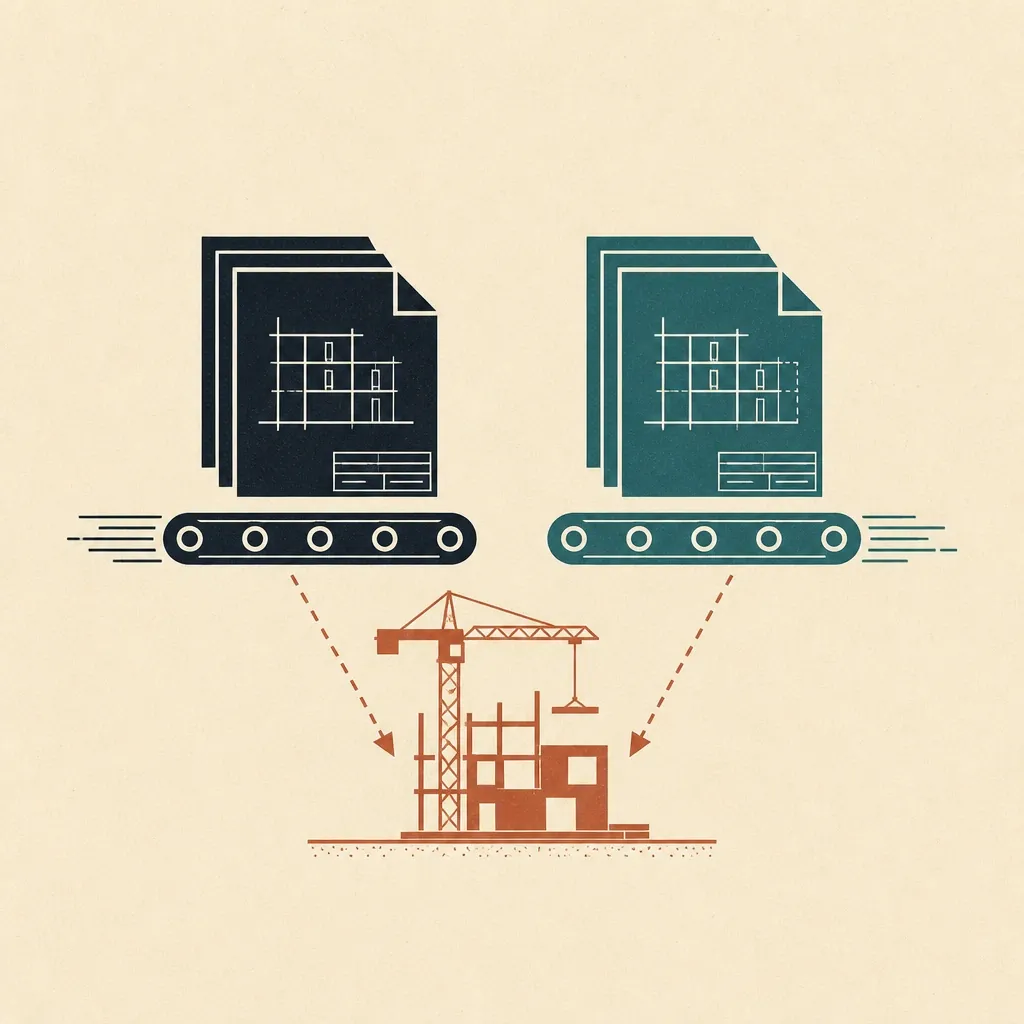
Drawings, RFIs, change orders and daily reports move at different speeds. The crew builds to what they have.
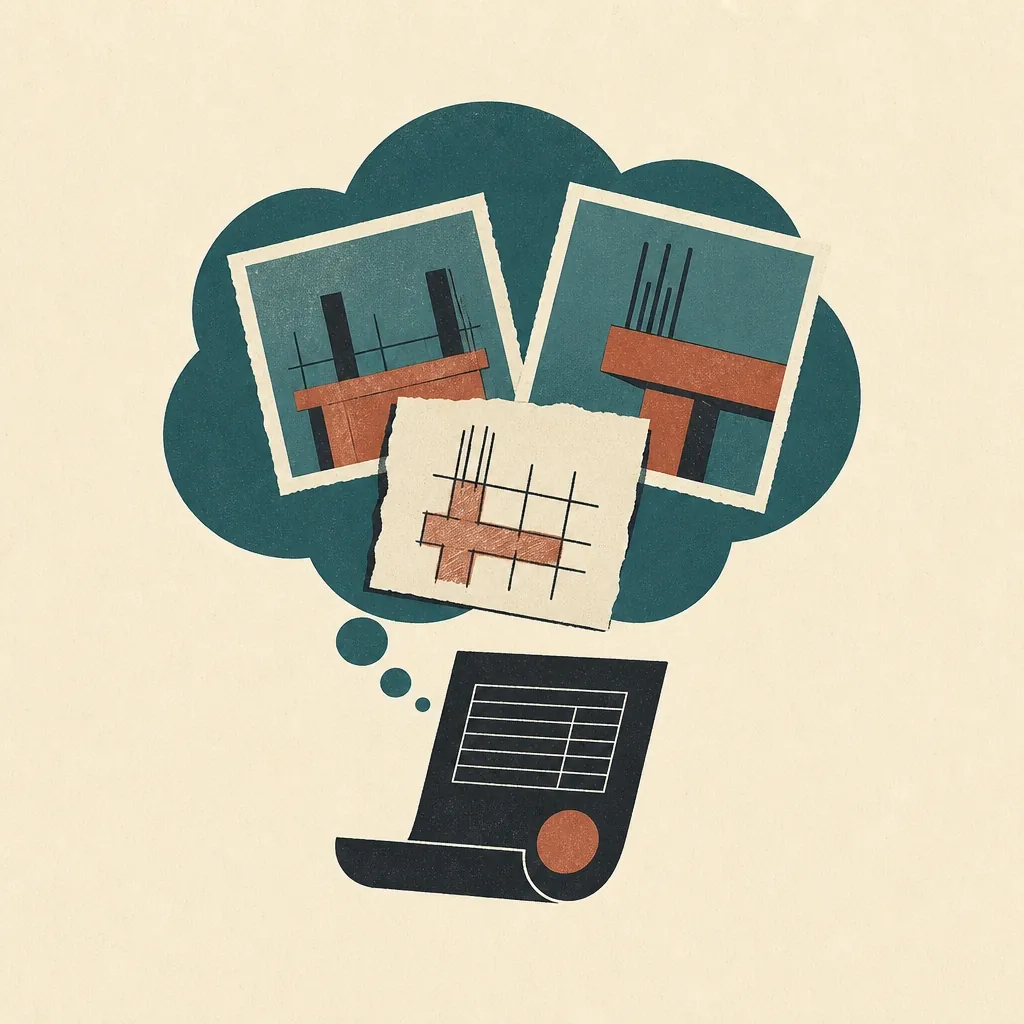
What was actually completed, when, and by whom is reconstructed from photographs and recollection at billing time.
Intelligence, plumbed in
The work is the boring half: a connector to the drawing store, one naming standard across trades, and a scored test set.
How we make AI survive real data Connectors
  A semantic layer
  Evals you can check
 What changes
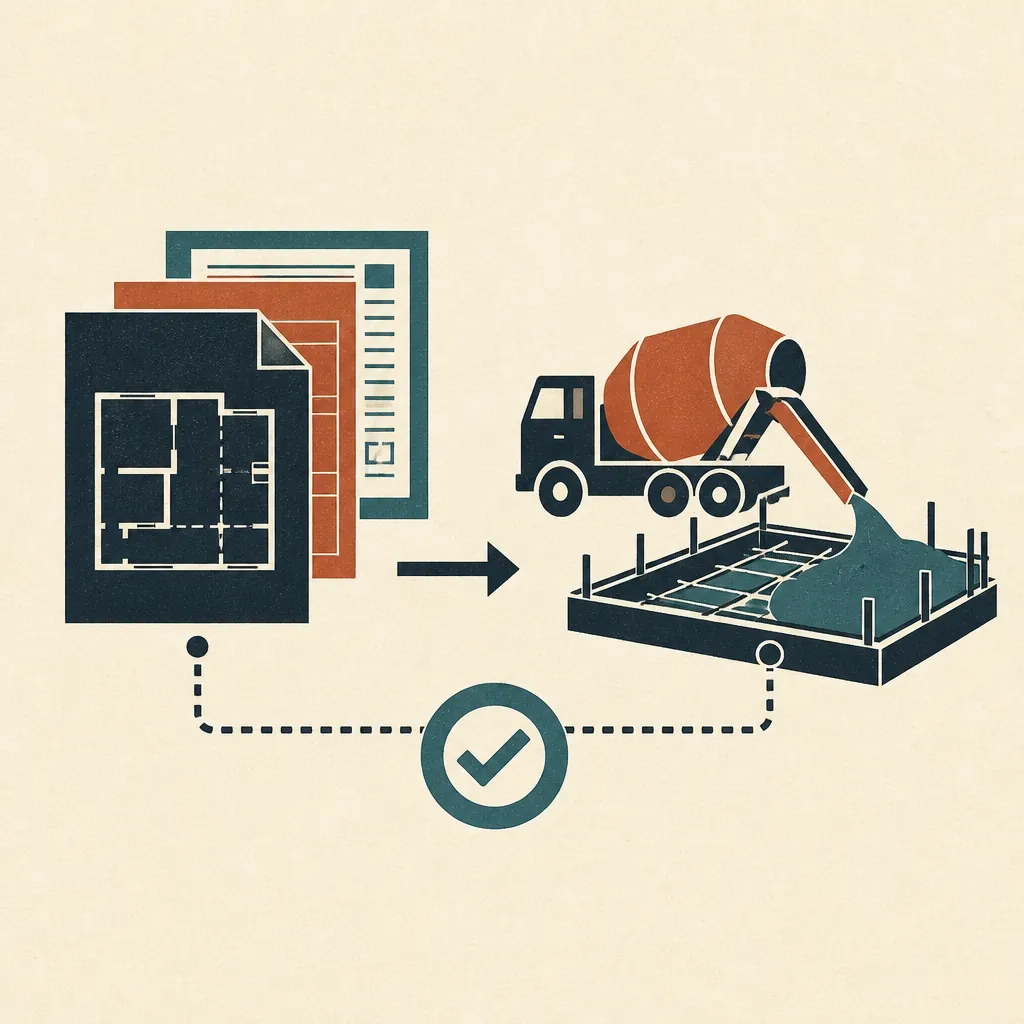 Less rework
 Drawing revisions, RFI answers and change orders pushed to the field, with acknowledgement recorded.
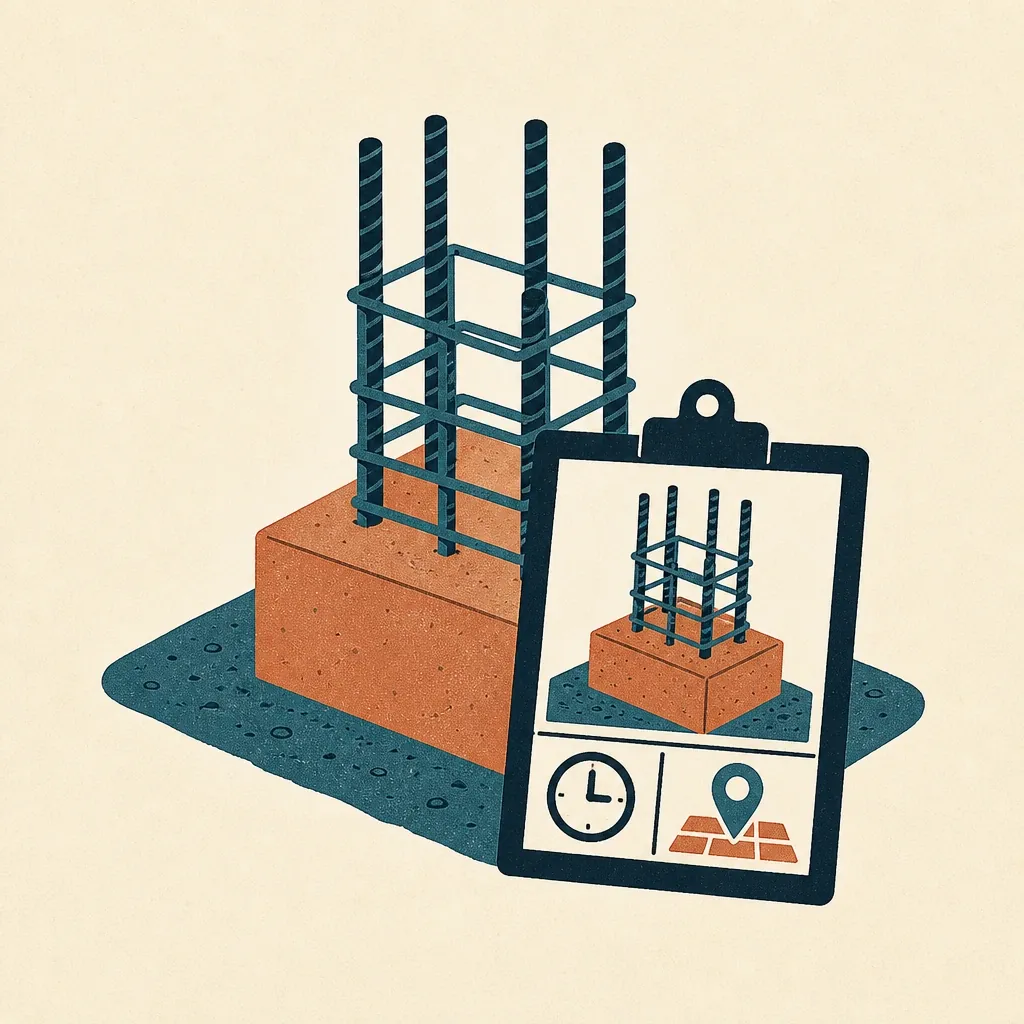 Evidence
 Timestamped, located and attributable, so the progress claim is documented rather than argued.
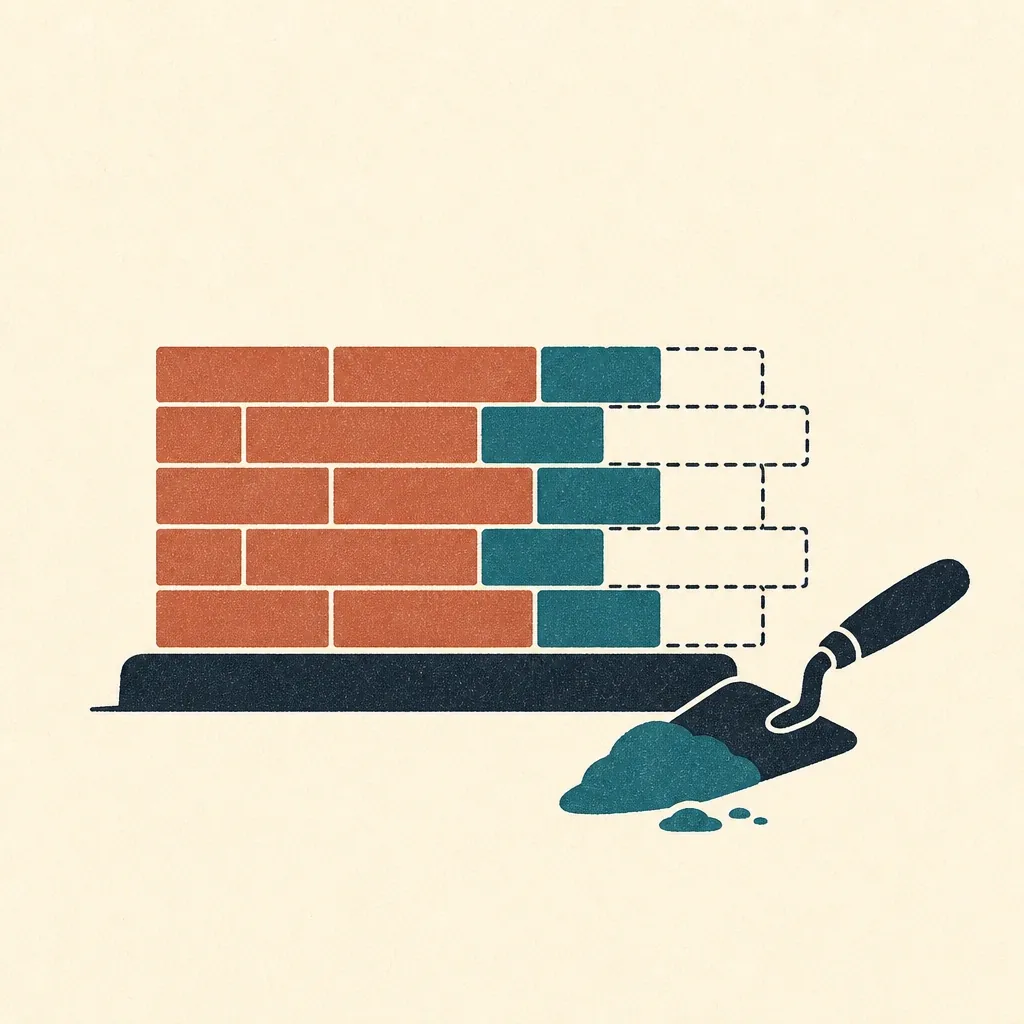 Earlier
 Not at the month-end review, when the decision point has already passed.
Research
Each one carries its own figures and the citations behind them. Start with whichever sounds most like your week.
However hard, whatever it is
We wrote this about drawings reaching the crew. If yours is procurement, plant or a subcontractor nobody can track, we start the same way.
 01
01 Days where the work happens, not a workshop in a meeting room. We watch the job get done and write down the shortcuts nobody wrote down.
 02
02 Your data, your rules, your vendors and their documentation, and the published research on your sector. We report what is actually in there.
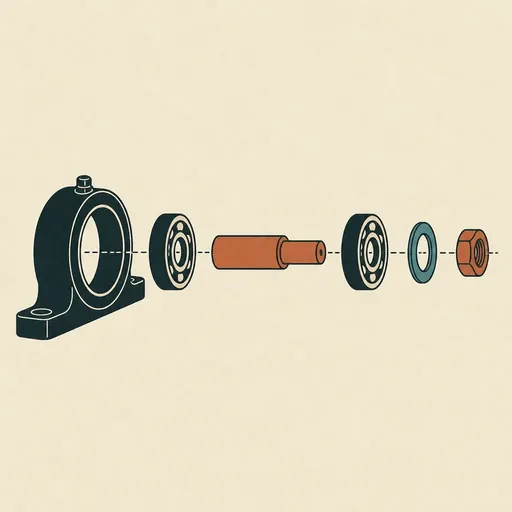 03
03 Not which tool fixes this. What is actually causing it, taken apart until we reach the piece that cannot be divided further.
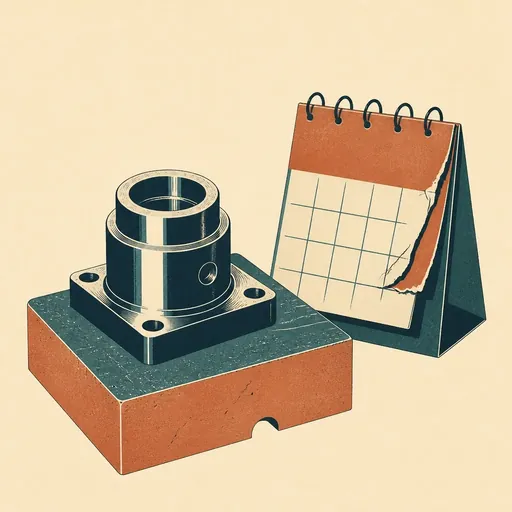 04
04 Weeks, not quarters. By this point we are not guessing what to build, and guessing is the thing that makes projects long.
Where we sit
What you get
Built new for you — none of this exists in your stack today
What you already run — unchanged, and still yours
If it happens on site, we can capture it. A drawing marked up in pen, a delivery note left in a cab, a camera on a mast. All of it becomes a record.
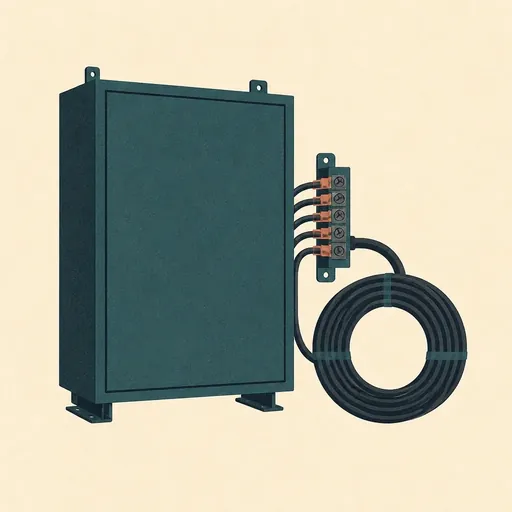 No API
 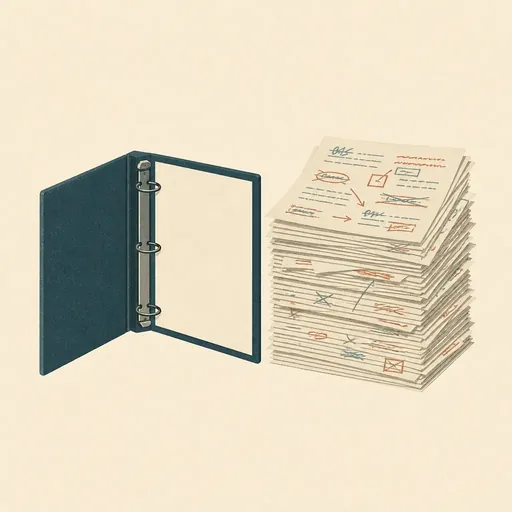 No documentation
 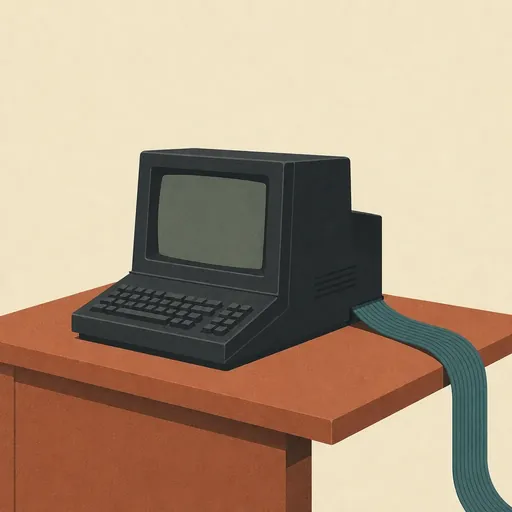 A terminal from 1994
 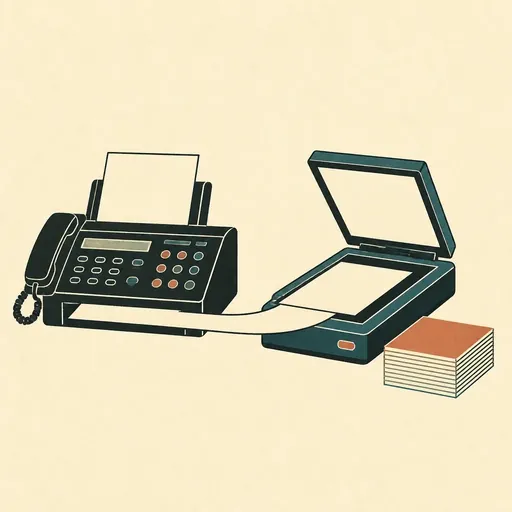 It arrives as paper
  The vendor said no
  It reports nothing
 Not a list of limits. Name yours on the call.
And once we can reach it, a model can read it. Most of the value here is in the sources nobody ever structured — the note, the letter, the screen.
Who this is for
 Project Director
  Commercial Manager
  Site Manager
  Head of PMO
  Finance Director
 Straight answers
They will not, and they should not have to. Anything we build for the field either replaces something they already do or captures information passively. If it adds a step, it will be abandoned in week two — that is not a training problem, it is a design failure.
Yes, alongside them. They are systems of record for documents and RFIs. The gap is usually between them and the commercial and scheduling systems.
Yes. We work with clients in the US, Europe and India. The systems differ more by contractor than by country, so neither is a stretch.

Read the marked-up drawing, the delivery note and the site photo. We score it against a month of real records before the site relies on it.
Also in supply chain & industry
Stockouts and excess inventory persist in organisations that bought every system designed to prevent them.
Supply chain & industryProduction runs on the floor. Reporting runs on a spreadsheet assembled the following morning.
Supply chain & industryWhich is why the operation stays reactive when the data to be proactive already exists.
Next step
20 minutes. Free.
You tell us what is not working. We ask how the work really gets done.
A few weeks.
We read your systems, including the notes and letters no field holds. You get what is really in there, what it costs, and the accuracy we can hit.
A few months.
Only if step 2 says it is worth it. Fixed price, agreed before we start.