


4-11% Transformation success rate in legacy-heavy sectors
Against 26% in digitally mature industries. Fewer than 30% of transformations improve performance and sustain the gain.

Public sector
The programmes fail for the same reason every time: they try to replace the system instead of relieving the pressure on it.
of government agencies run critical systems on COBOL, with technology averaging 20 years old.
Source: GAO-25-107795: Agencies Need to Plan for Modernizing Critical Legacy Systems
What is happening
Against 26% in digitally mature industries. Fewer than 30% of transformations improve performance and sustain the gain.
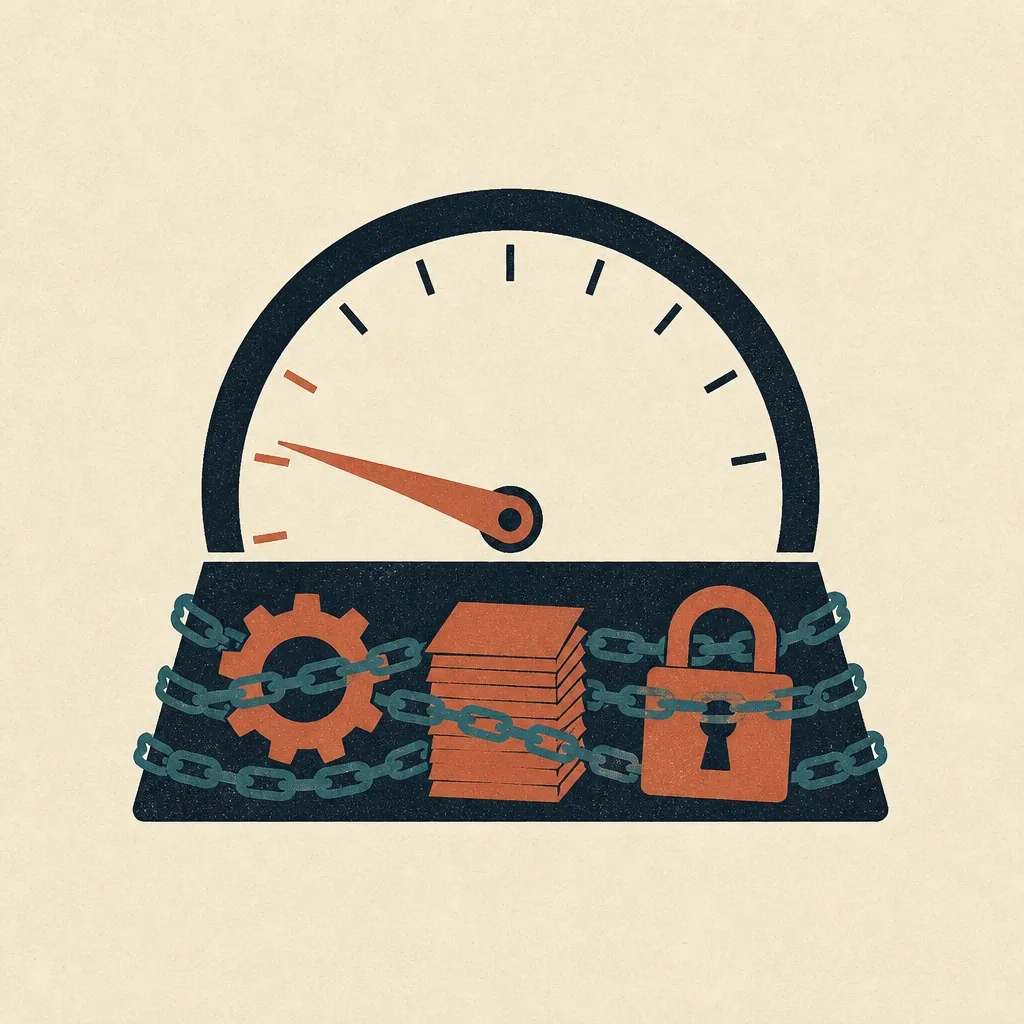
Not from lack of intent. From procurement cycles, fragmented regulation and systems nobody can safely touch.
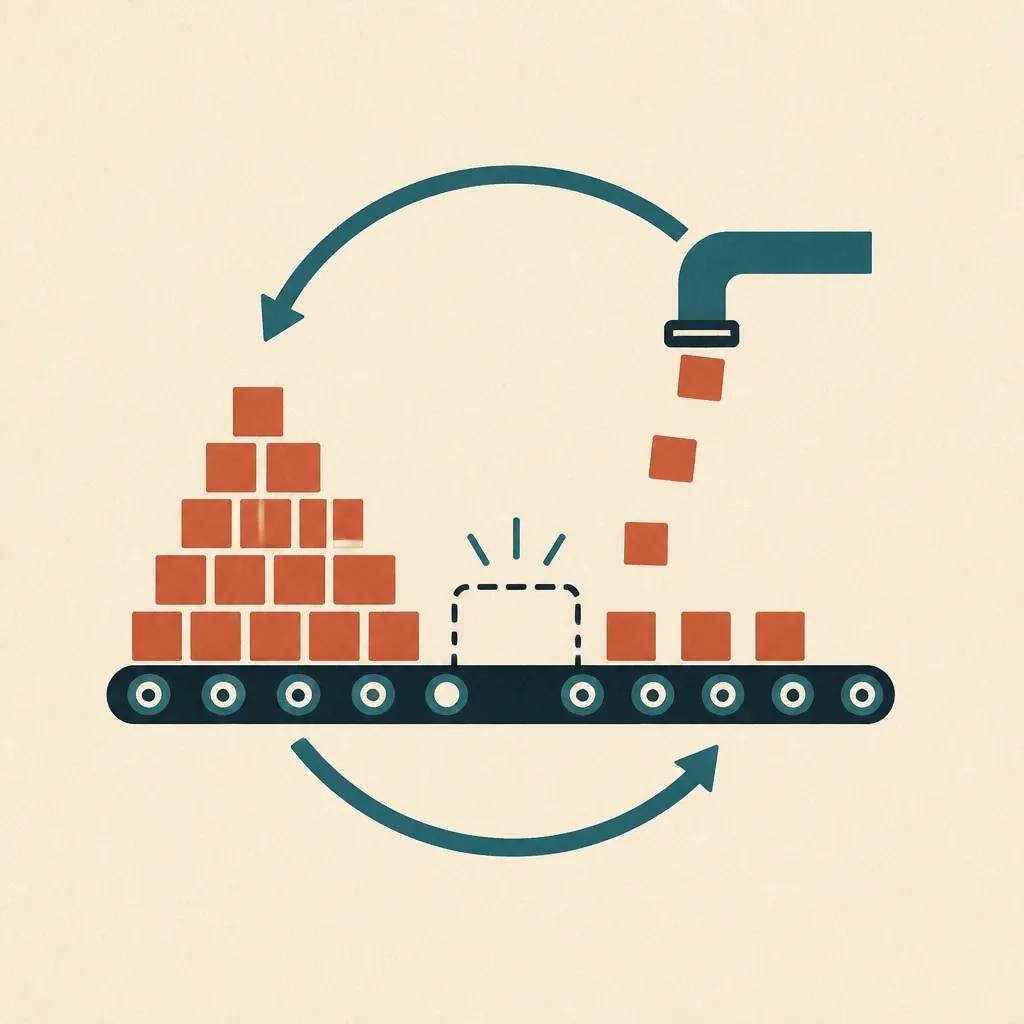
Because the effort addresses the visible queue rather than the process that generates it.

Fragmented, hard to navigate rules favour vendors who are good at bidding over vendors who are good at delivering.
Intelligence, plumbed in
Underneath: a one-way read of the mainframe, a copybook mapped to plain fields, and an accuracy figure you can publish.
How we make AI survive real data Connectors
 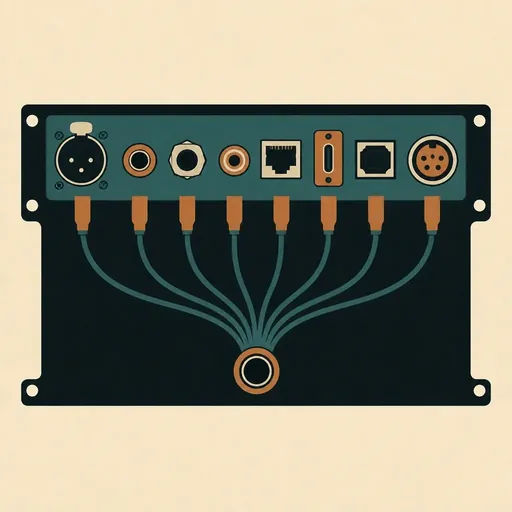 A semantic layer
 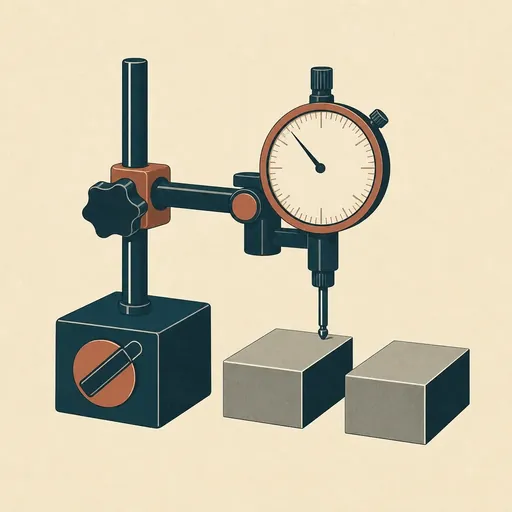 Evals you can check
 What changes
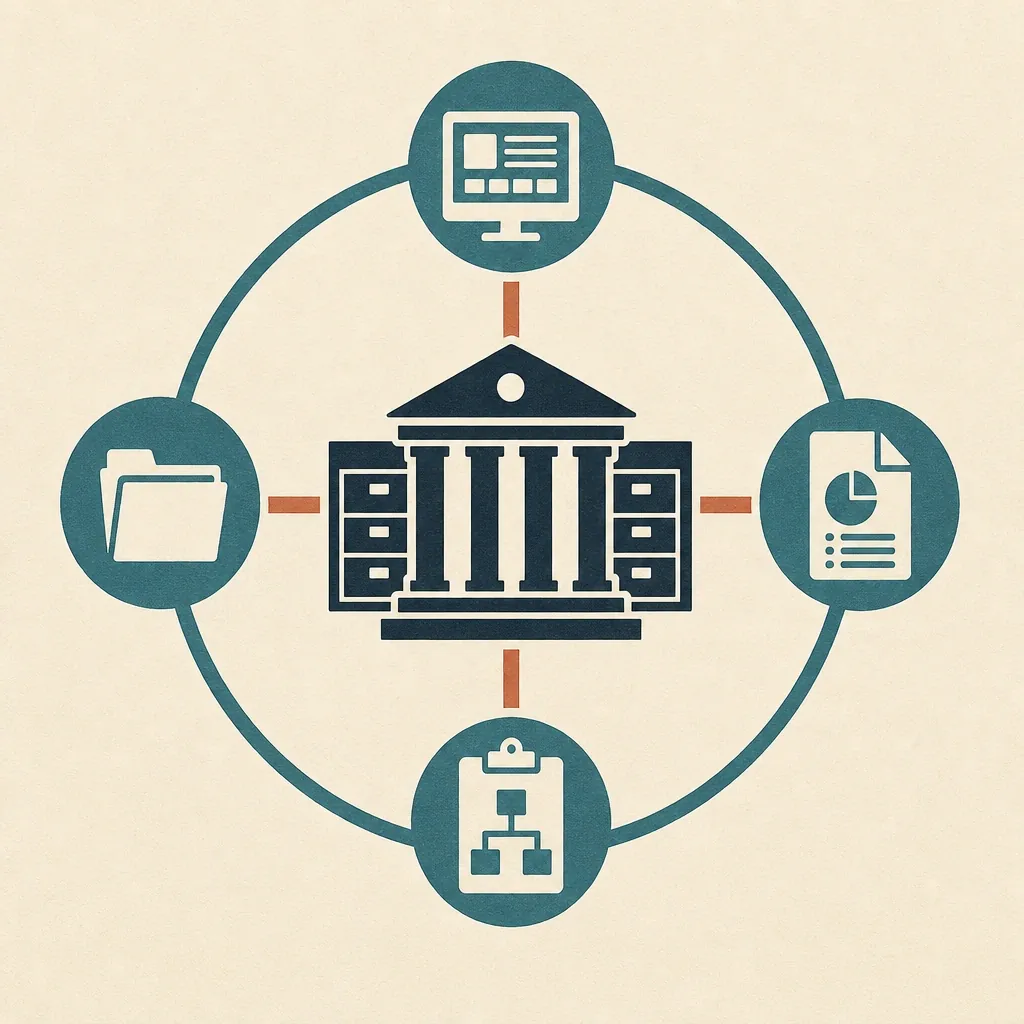 No rip-out
 The legacy system keeps doing what it does. We build the access, reporting and workflow layer around it, and that takes months, not years.
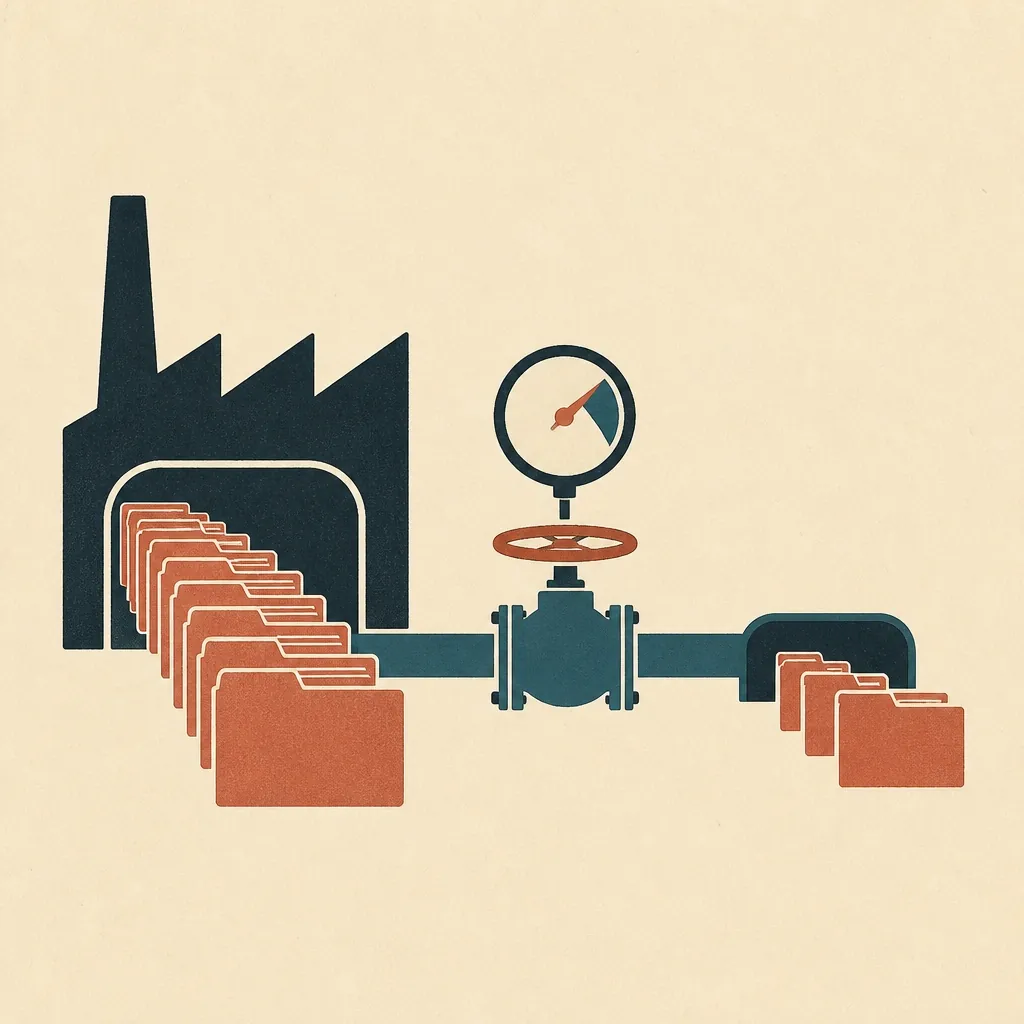 Backlog
 Because the work targets the generating process, with the measurement in place to prove it held.
 Auditable
 Which is a requirement here, not a feature — and far easier to build in than to retrofit.
Research
Each one carries its own figures and the citations behind them. Start with whichever sounds most like your week.
However hard, whatever it is
We wrote this about reading a legacy system of record. If yours is a service nobody can complete online, or a queue nobody can see, same method.
 01
01 Days where the work happens, not a workshop in a meeting room. We watch the job get done and write down the shortcuts nobody wrote down.
 02
02 Your data, your rules, your vendors and their documentation, and the published research on your sector. We report what is actually in there.
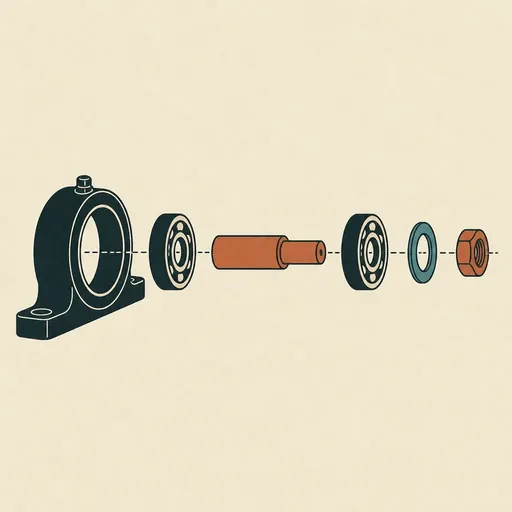 03
03 Not which tool fixes this. What is actually causing it, taken apart until we reach the piece that cannot be divided further.
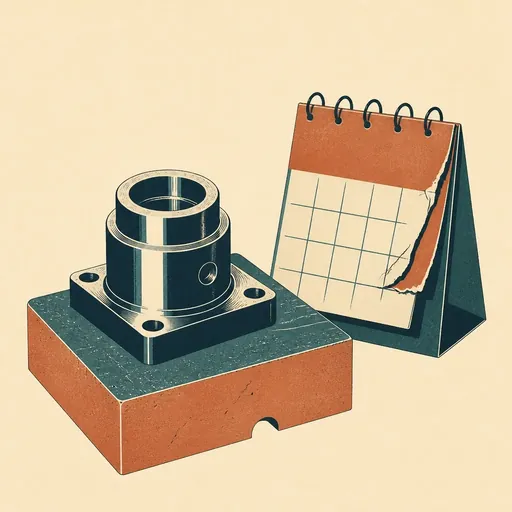 04
04 Weeks, not quarters. By this point we are not guessing what to build, and guessing is the thing that makes projects long.
Where we sit
What you get
Built new for you — none of this exists in your stack today
What you already run — unchanged, and still yours
If the mainframe knows it, we can get it out. COBOL copybooks, a green screen, a printed report, a scanned form. All of it can be reached.
 No API
  No documentation
  A terminal from 1994
  It arrives as paper
  The vendor said no
  It reports nothing
 Not a list of limits. Name yours on the call.
And once we can reach it, a model can read it. Most of the value here is in the sources nobody ever structured — the note, the letter, the screen.
Who this is for
 Director of Digital
  Chief Information Officer
  Programme Director
  Head of Service Delivery
  Procurement Lead
 Straight answers
Yes, and that is usually the right constraint. We read from it — through extracts, APIs or a replica — and build alongside. Not touching the core is what makes the timeline realistic and the risk acceptable.

We scope to fit inside your thresholds where that makes sense. We start small, so value is proven before you commit further. And we produce the paperwork your process needs without treating it as a nuisance.

Most attempt replacement. The replacement is specified against today's understanding, takes three years, and meets a changed world. Relieving pressure on the existing system delivers value in months and does not require anyone to bet a service on a migration.
Yes. A screen or a printed report is enough. We publish the accuracy figure, so the desk knows exactly how far to trust it.
Also in public sector
Next step
20 minutes. Free.
You tell us what is not working. We ask how the work really gets done.
A few weeks.
We read your systems, including the notes and letters no field holds. You get what is really in there, what it costs, and the accuracy we can hit.
A few months.
Only if step 2 says it is worth it. Fixed price, agreed before we start.