


41 min Average response time to a portal enquiry
Against a five-minute window where most of the outcome is decided. Enquiries arrive from the portals, your own site and referrals, into different inboxes.

Commerce & consumer
The industry average response time is forty-one minutes.
more likely to qualify when a lead is contacted within five minutes rather than thirty.
Source: MIT / InsideSales lead response study, via Harvard Business Review
What is happening
Against a five-minute window where most of the outcome is decided. Enquiries arrive from the portals, your own site and referrals, into different inboxes.

Not to competitors with better inventory. To follow-up that did not happen because it lived in somebody's memory.

The visit happened, the client had a view, and the note exists in a WhatsApp thread nobody else can see.

Split across agents, channel partners and developers, tracked in a spreadsheet that disagrees with the invoice.
Intelligence, plumbed in
We parse it, hold one meaning for every portal's format, and score the parser against a month of leads you closed.
How we make AI survive real data Connectors
  A semantic layer
  Evals you can check
 What changes
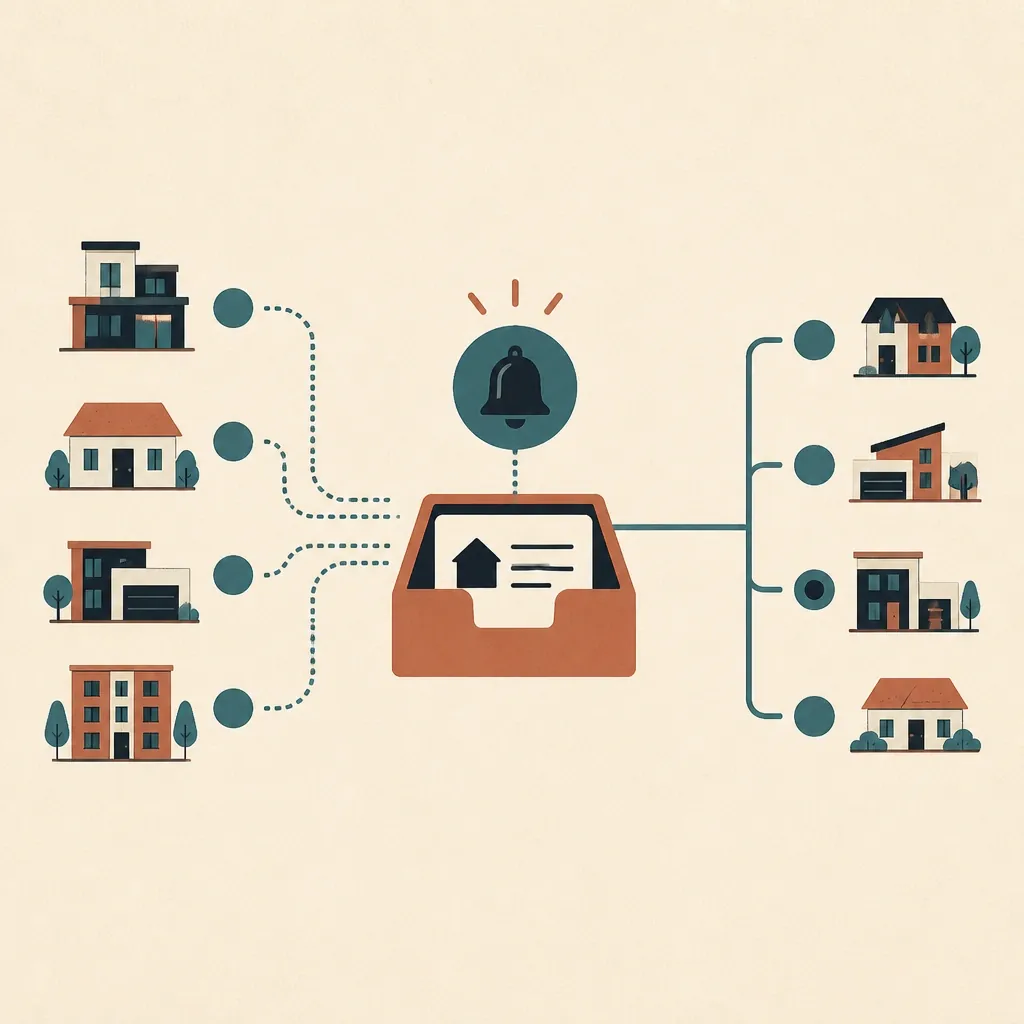 Seconds
 Captured from all portals into one queue, acknowledged instantly, and routed to whoever is actually available.
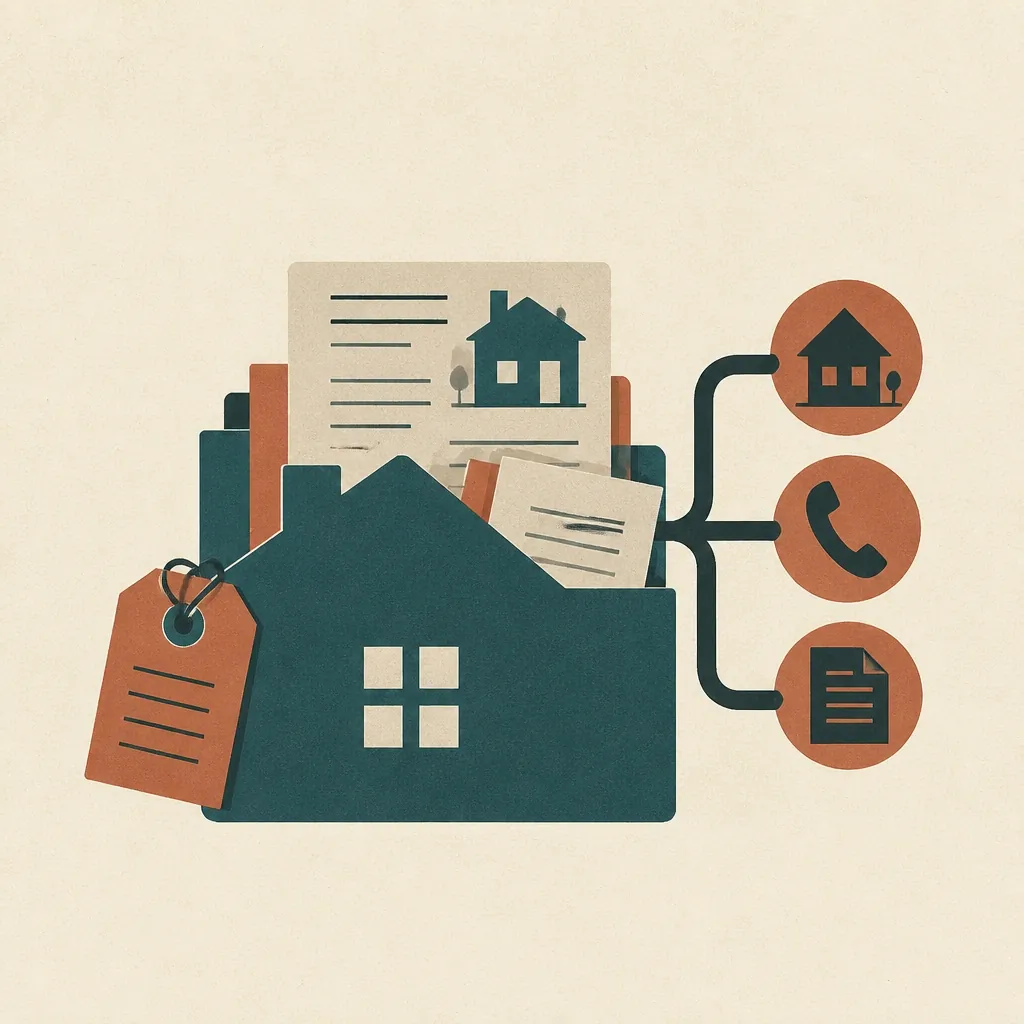 Nothing dropped
 Site visits, callbacks and document chases scheduled and escalated, with the history attached to the lead rather than a phone.
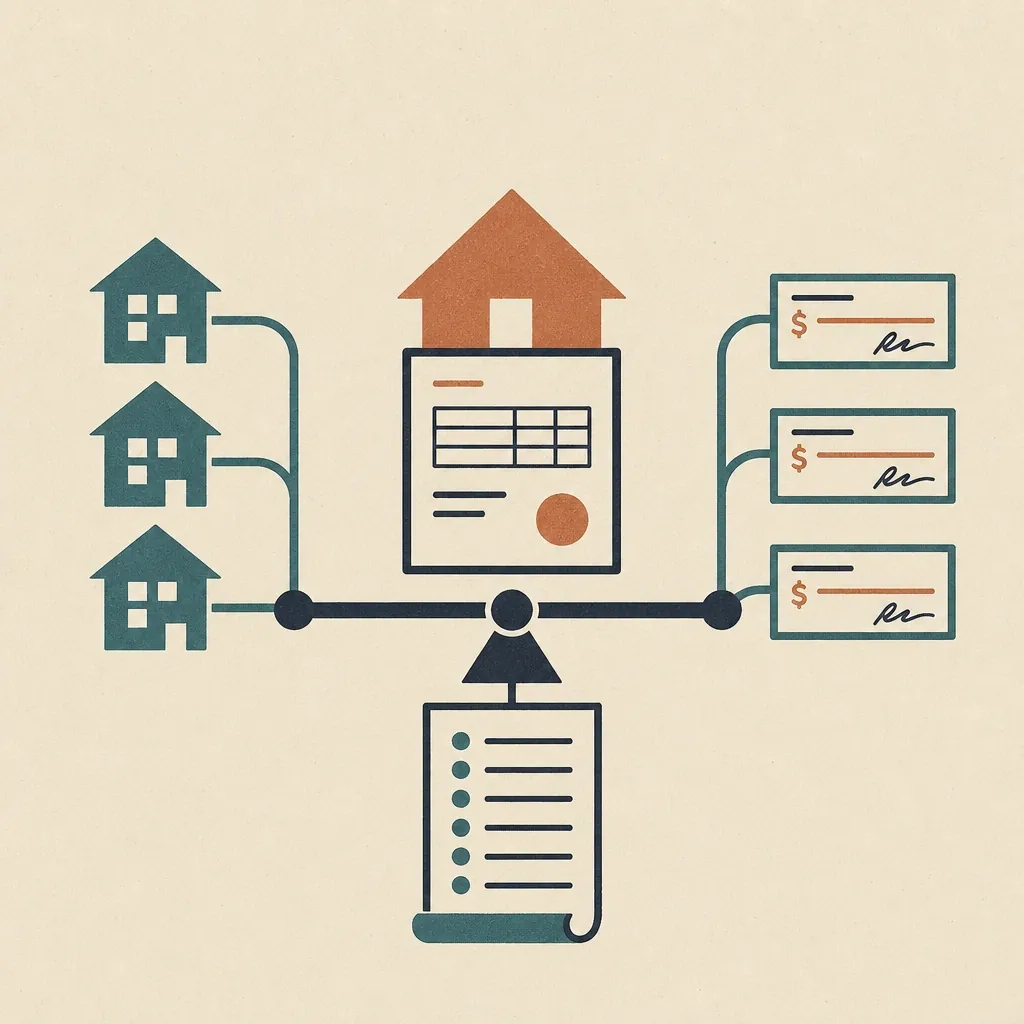 Reconciled
 Across agents and partners, with local sales tax handled and an audit trail behind every payout.
Research
Each one carries its own figures and the citations behind them. Start with whichever sounds most like your week.
However hard, whatever it is
This page is about the first five minutes. If yours is site handover, collections or a portal that only sends email, that is the same work.
 01
01 Days where the work happens, not a workshop in a meeting room. We watch the job get done and write down the shortcuts nobody wrote down.
 02
02 Your data, your rules, your vendors and their documentation, and the published research on your sector. We report what is actually in there.
 03
03 Not which tool fixes this. What is actually causing it, taken apart until we reach the piece that cannot be divided further.
 04
04 Weeks, not quarters. By this point we are not guessing what to build, and guessing is the thing that makes projects long.
Where we sit
What you get
Built new for you — none of this exists in your stack today
What you already run — unchanged, and still yours
However the portal sends the lead, we can catch it. A data feed, an email alert, a message on a phone, a missed call in a log. All of it lands in one place.
 No API
  No documentation
  A terminal from 1994
  It arrives as paper
  The vendor said no
  It reports nothing
 Not a list of limits. Name yours on the call.
And once we can reach it, a model can read it. Most of the value here is in the sources nobody ever structured — the note, the letter, the screen.
Who this is for
 Founder / Principal Broker
  Sales Head
  Channel Partner Manager
  Operations Manager
  Finance Head
 Straight answers

Most property CRMs are built for developers tracking inventory and bookings. They are not built for a brokerage running its own listings, agents and clients day to day. If yours is not being used by the sales team, that is usually why.

Yes, including the ones that only deliver by email. The point is a single queue with a response clock, not a second place to check.

Agreements, identity checks, disclosures and payment schedules are tracked with an audit trail behind each one, rather than reconstructed when a regulator asks. We fit the rules of your market. In India that means RERA; elsewhere it means whatever your regulator asks for.

Yes. We parse every format and score the parser against a month of leads you closed. Speed matters more than polish here.
Next step
20 minutes. Free.
You tell us what is not working. We ask how the work really gets done.
A few weeks.
We read your systems, including the notes and letters no field holds. You get what is really in there, what it costs, and the accuracy we can hit.
A few months.
Only if step 2 says it is worth it. Fixed price, agreed before we start.