

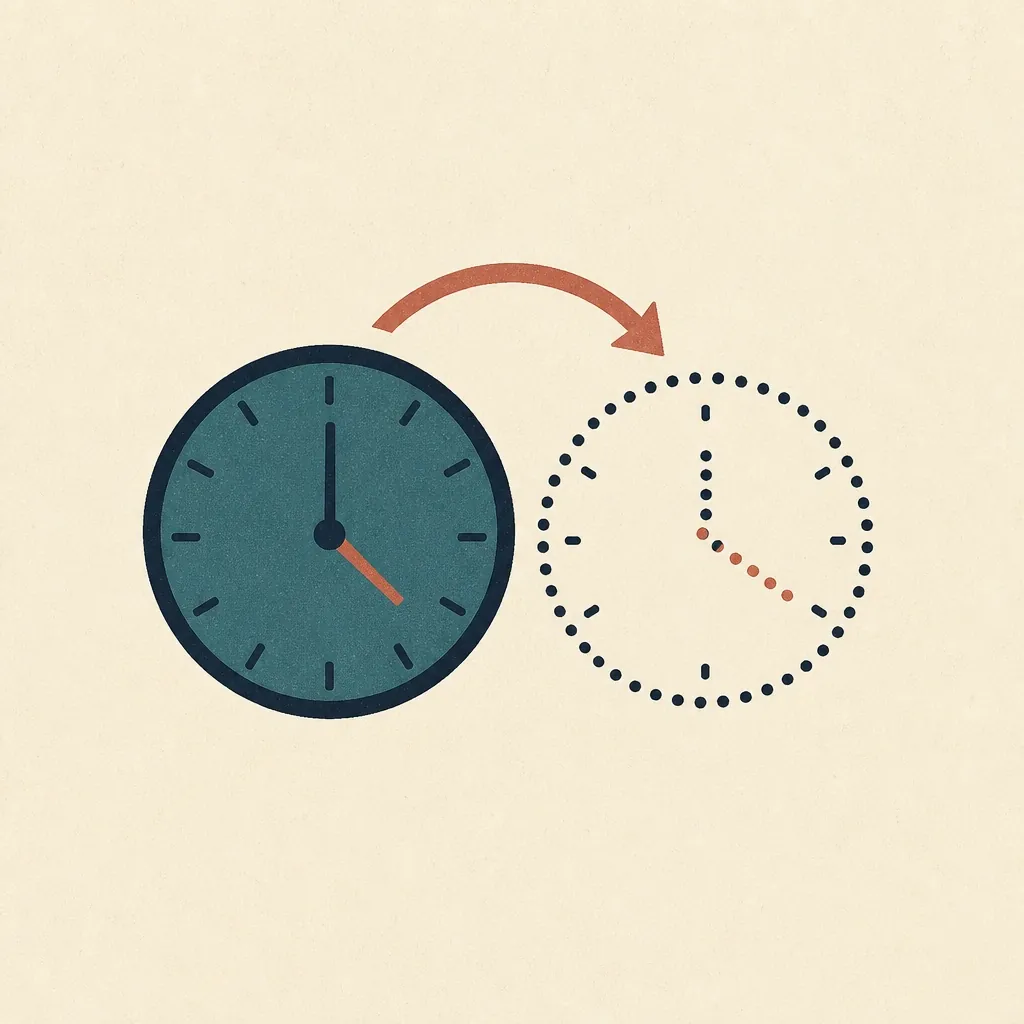
25-40% Accuracy lost to memory after 24 hours
Time written up on Friday is not recorded, it is remembered. And memory almost always under-counts.

Professional services
That twelve-hour gap is worth roughly two hundred thousand dollars per attorney, per year.
median time from filing to trial in federal civil cases, against 6.9 months to disposition.
Source: US Courts: Federal Court Management Statistics, March 2026
What is happening
Time written up on Friday is not recorded, it is remembered. And memory almost always under-counts.

Meaning for more than a fifth of fee earners, over 30% of billable work is never captured at all.
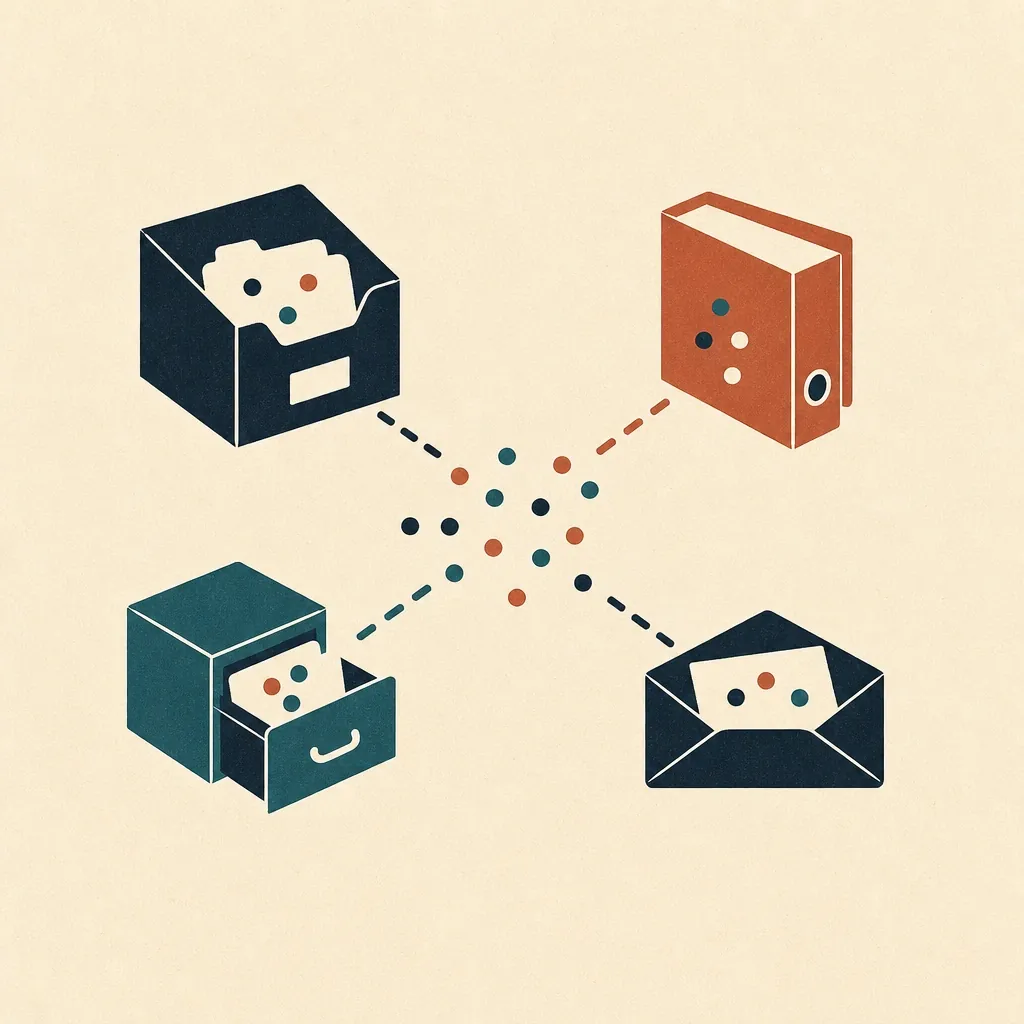
A document management system, practice management, accounting and a shared inbox that never reconcile — so matter economics cannot be shown to a client.

A compliance-critical task done manually every month by people whose hours are the firm's product.
Intelligence, plumbed in
Underneath: a connector to the document store, matter-level access rules in the layer, and a fee earner approving every line.
How we make AI survive real data Connectors
 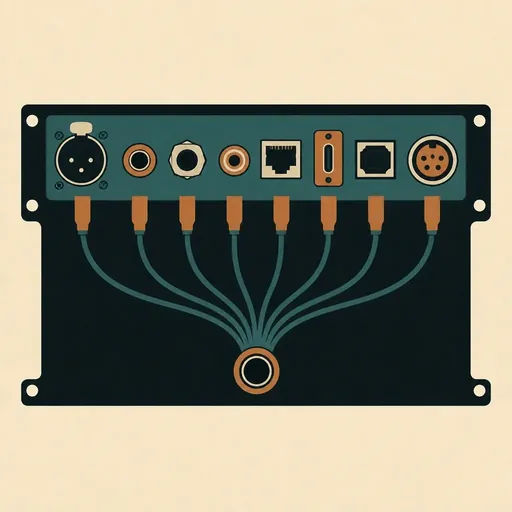 A semantic layer
 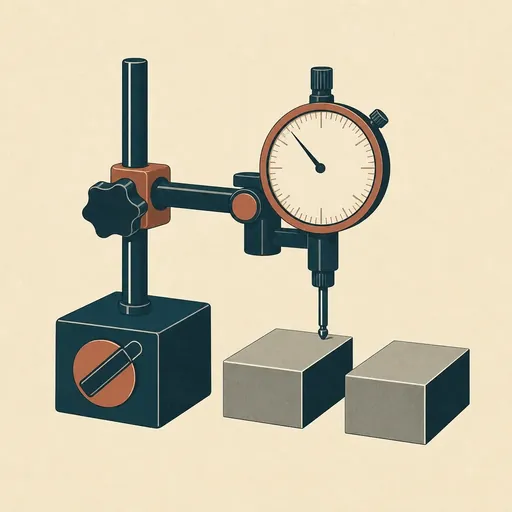 Evals you can check
 What changes
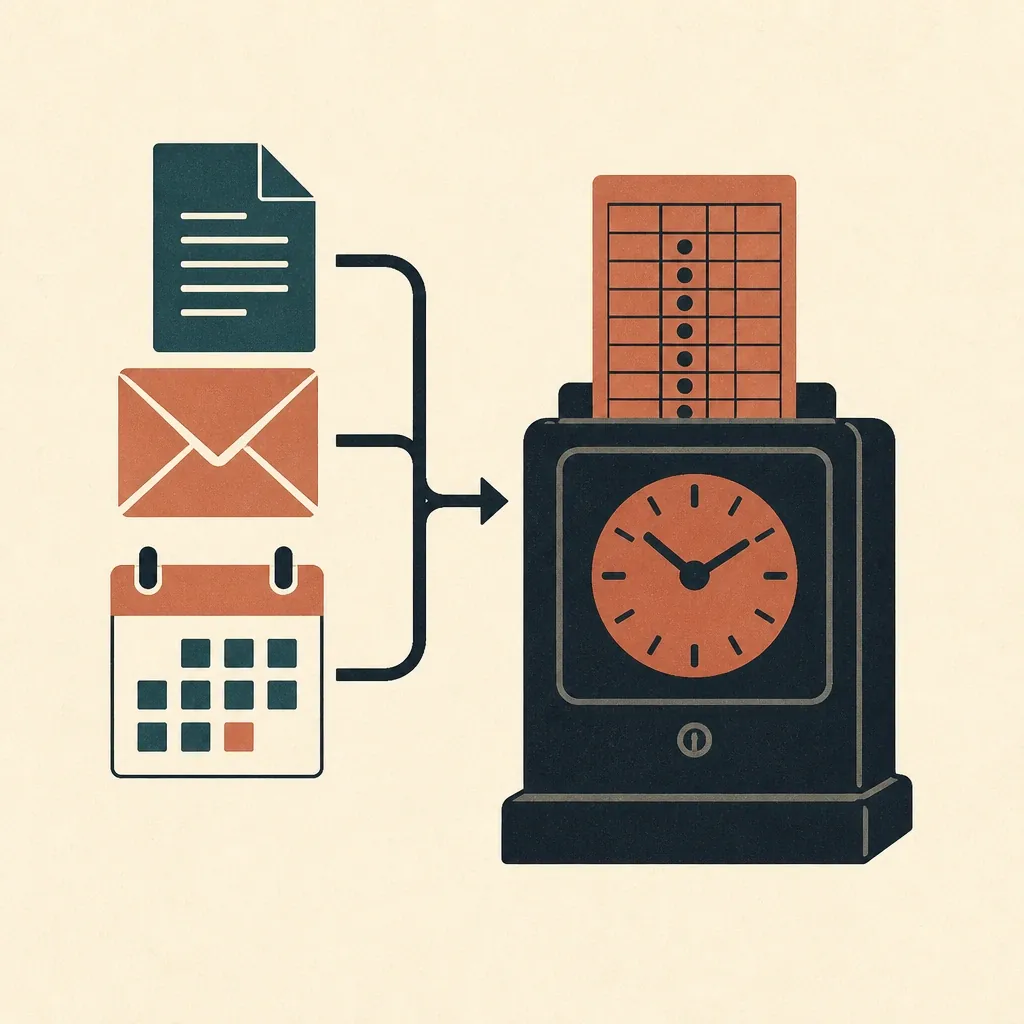 Hours captured
 Derived from document, email and calendar activity, presented for confirmation rather than typed from memory.
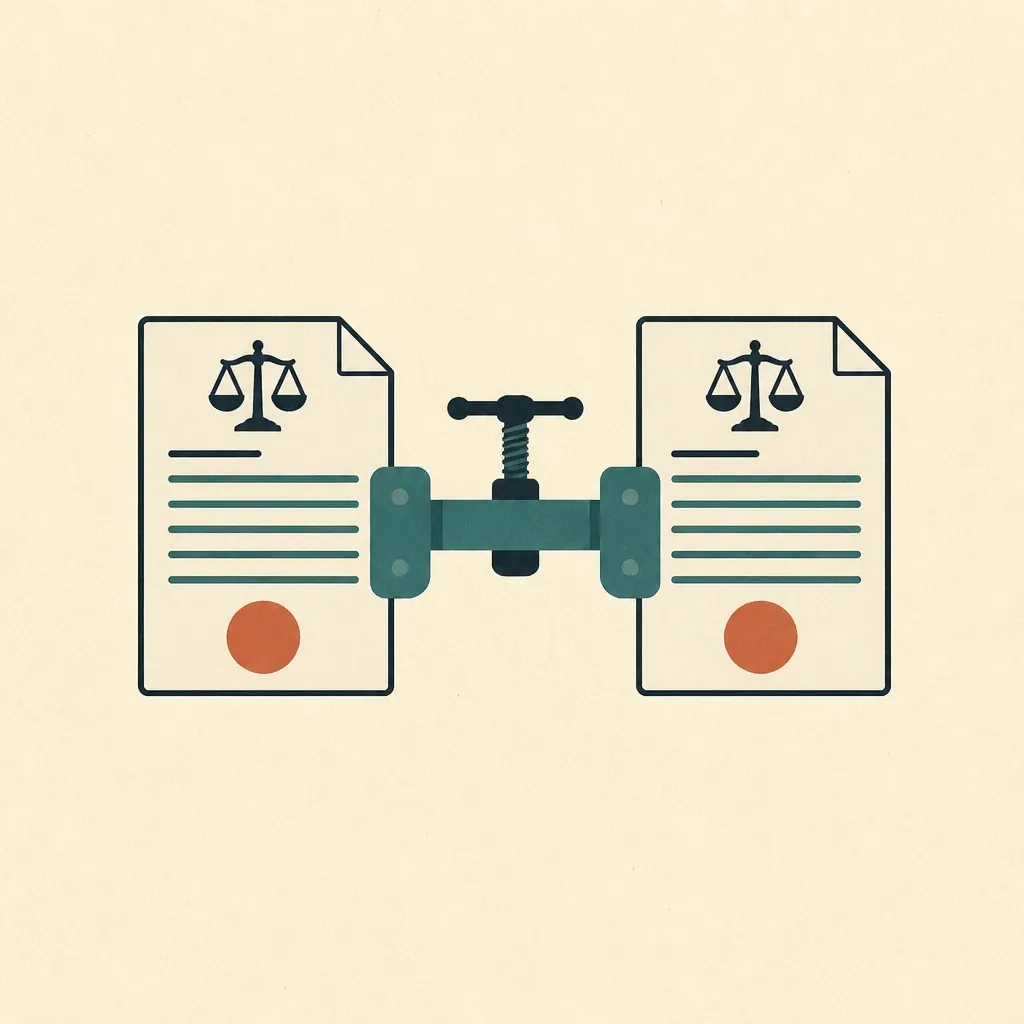 Realisation
 Automated time-to-billing workflows are associated with realisation rates eight to twelve points higher than manual processes.
 Matter economics
 Not at write-off time, when the only remaining decision is how much to absorb.
Research
Each one carries its own figures and the citations behind them. Start with whichever sounds most like your week.
However hard, whatever it is
This page is about recovering the gap between worked and billed. If yours is matter intake, conflicts or client reporting, same approach.
 01
01 Days where the work happens, not a workshop in a meeting room. We watch the job get done and write down the shortcuts nobody wrote down.
 02
02 Your data, your rules, your vendors and their documentation, and the published research on your sector. We report what is actually in there.
 03
03 Not which tool fixes this. What is actually causing it, taken apart until we reach the piece that cannot be divided further.
 04
04 Weeks, not quarters. By this point we are not guessing what to build, and guessing is the thing that makes projects long.
Where we sit
What you get
Built new for you — none of this exists in your stack today
What you already run — unchanged, and still yours
If the matter file holds it, we can reach it. A document store with no API, an email thread, time entered in a desktop tool. All of it can be joined.
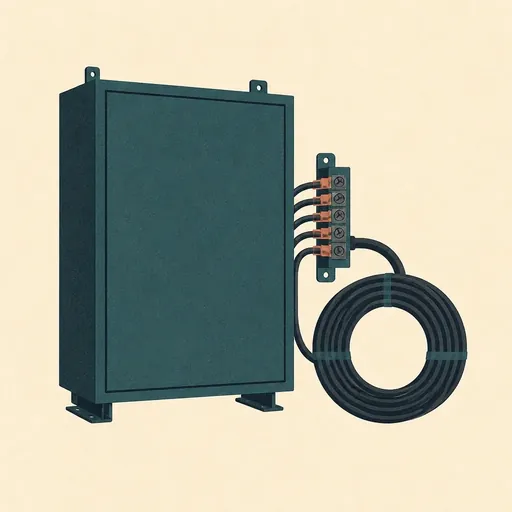 No API
  No documentation
 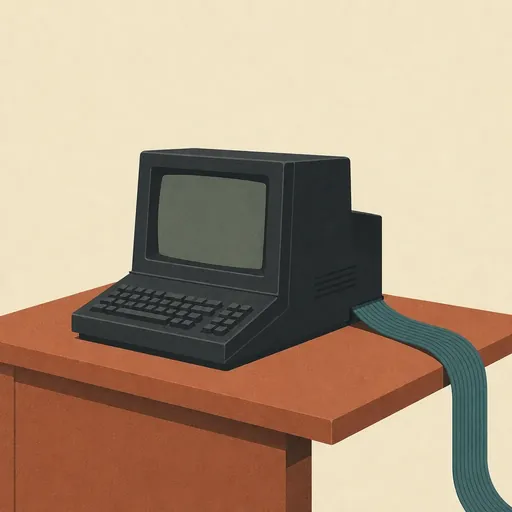 A terminal from 1994
 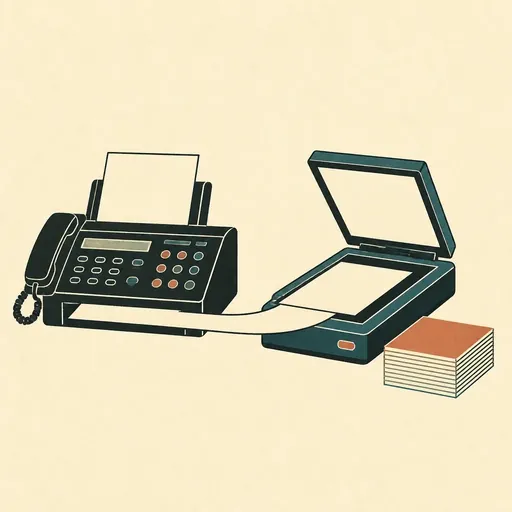 It arrives as paper
  The vendor said no
  It reports nothing
 Not a list of limits. Name yours on the call.
And once we can reach it, a model can read it. Most of the value here is in the sources nobody ever structured — the note, the letter, the screen.
Who this is for
 Managing Partner
  Chief Operating Officer
  Legal Operations Director
  Finance Director
  Practice Group Head
 Straight answers

They should not have to. Anything that asks a fee earner to do more work will fail. The capture has to be derived from activity that already happens — documents opened, emails sent, meetings held — and presented for a single confirmation.

It is a fair concern and the design answer matters. Capture should surface to the individual for confirmation before it goes anywhere else, and it should record work product activity rather than monitor behaviour. A system that feels like monitoring gets circumvented, which also makes it useless.

Start from your own numbers: hours worked against hours billed, per fee earner. Firms with automated time-to-billing report realisation eight to twelve points higher. Apply that to your own revenue before believing anyone's projection, including ours.

Access rules live in the layer, per matter, before the model sees anything. A fee earner approves every line that leaves it.
Also in professional services
Next step
20 minutes. Free.
You tell us what is not working. We ask how the work really gets done.
A few weeks.
We read your systems, including the notes and letters no field holds. You get what is really in there, what it costs, and the accuracy we can hit.
A few months.
Only if step 2 says it is worth it. Fixed price, agreed before we start.