

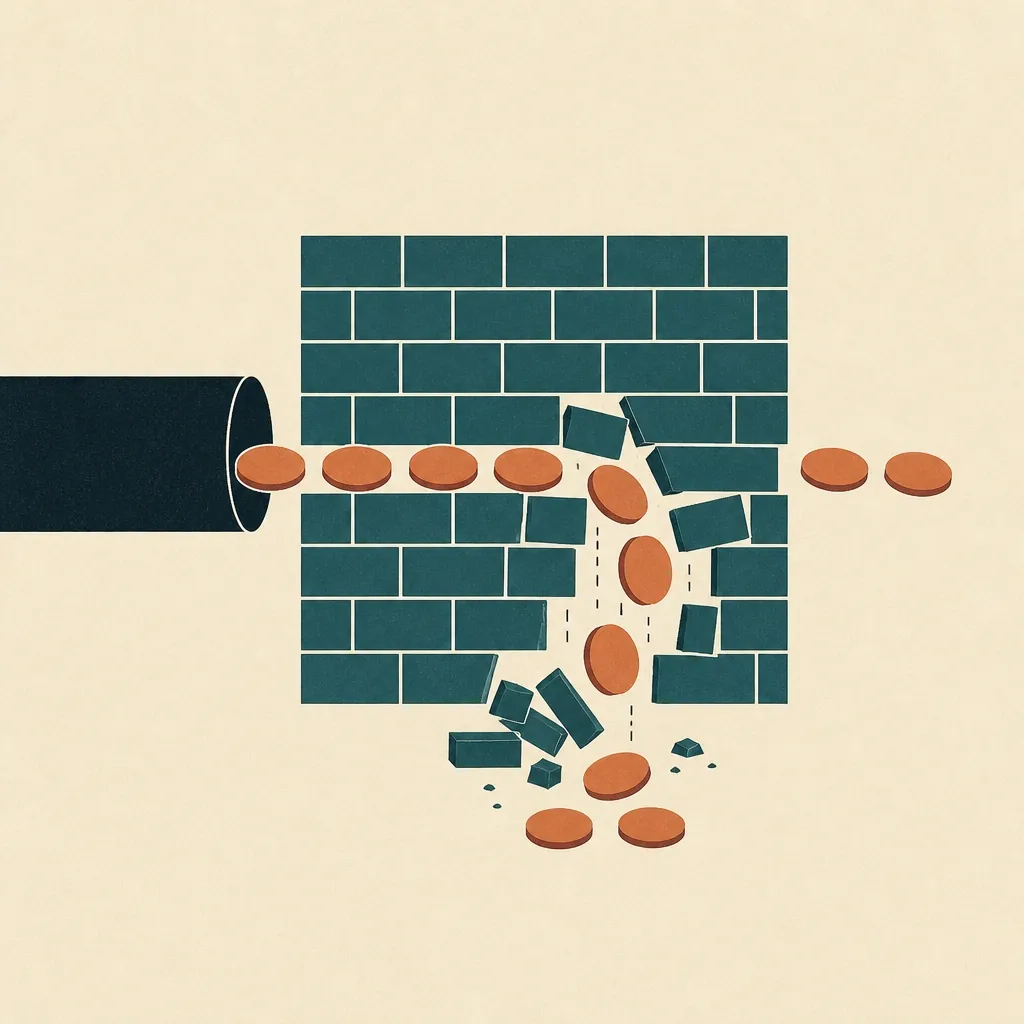
~4% Of expected revenue never arrives
A 2.7% final denial rate on top of 1.3% bad debt. Both are recoverable in part, and both are treated as the cost of doing business.

Healthcare · India & South Asia
Denials are not a billing problem. They are a documentation problem that surfaces as a billing problem.
of hospital revenue lost to denials and uncollected bills in one year, up 25 percent.
Source: Kodiak Solutions, State of the healthcare revenue cycle
In India
Platforms in this market
Rules that apply here
We read the rule before the call. It is the cheapest way to prove we did the work.
What is happening
A 2.7% final denial rate on top of 1.3% bad debt. Both are recoverable in part, and both are treated as the cost of doing business.

US hospitals spend roughly $19.7 billion a year overturning denials. The cost is almost entirely staff time.

Average denied inpatient claim value rose 12% and outpatient 14% in one year, alongside rising audit volume.
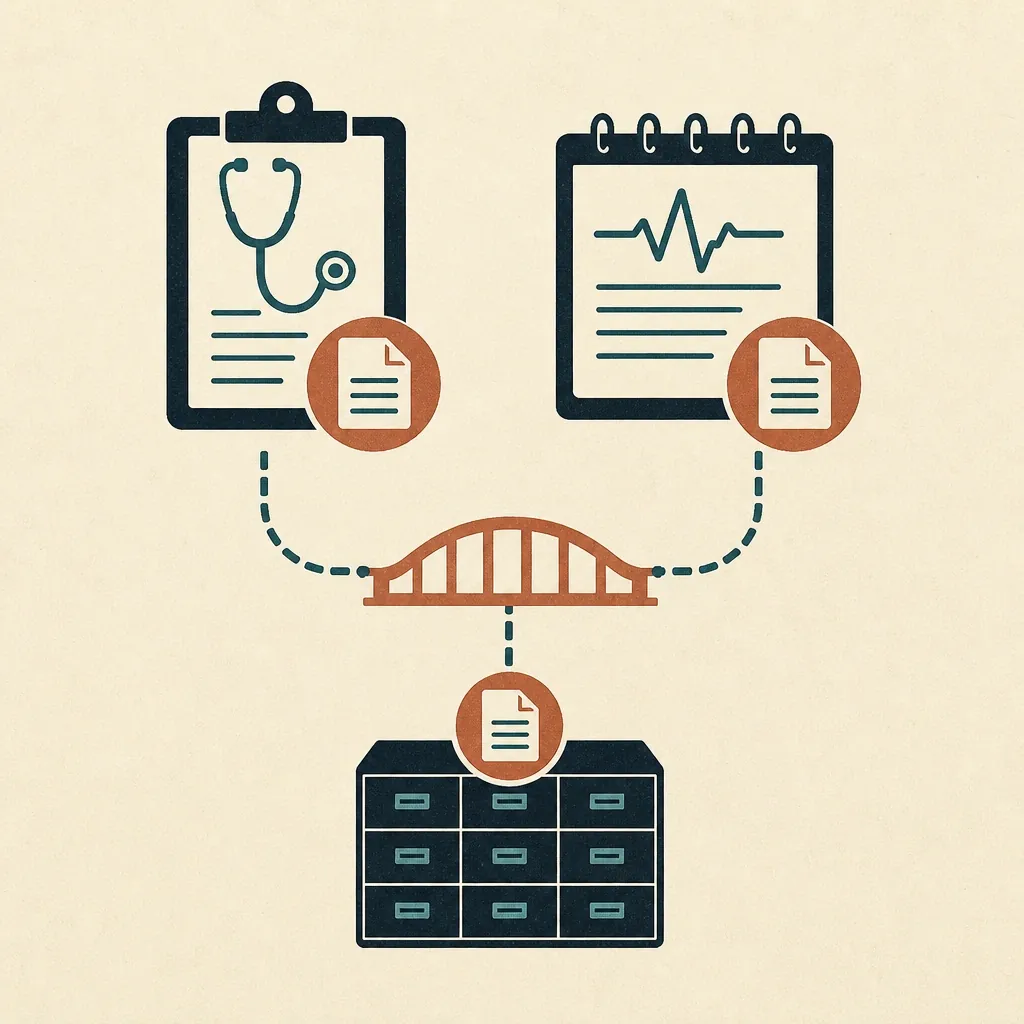
Medical necessity lives in physician narrative and nursing documentation. Your claims system holds structured fields. Bridging the two is manual, every single time.
However hard, whatever it is
This page happens to be about appeals. If your problem is theatre scheduling, bed flow or a report nobody trusts, we start in exactly the same place.
 01
01 Days where the work happens, not a workshop in a meeting room. We watch the job get done and write down the shortcuts nobody wrote down.
 02
02 Your data, your rules, your vendors and their documentation, and the published research on your sector. We report what is actually in there.
 03
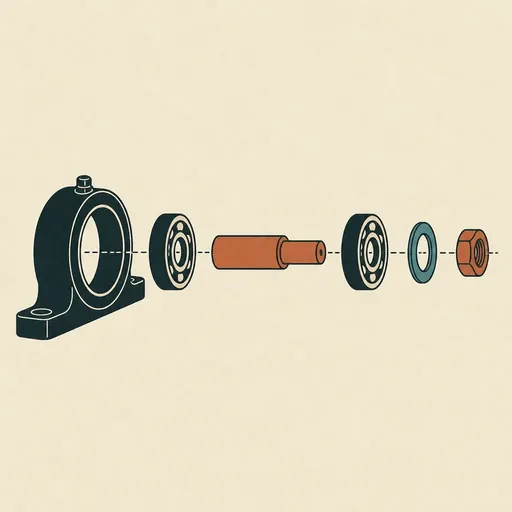
03 Not which tool fixes this. What is actually causing it, taken apart until we reach the piece that cannot be divided further.
 04
04 Weeks, not quarters. By this point we are not guessing what to build, and guessing is the thing that makes projects long.
Where we sit
What you get
Built new for you — none of this exists in your stack today
What you already run — unchanged, and still yours
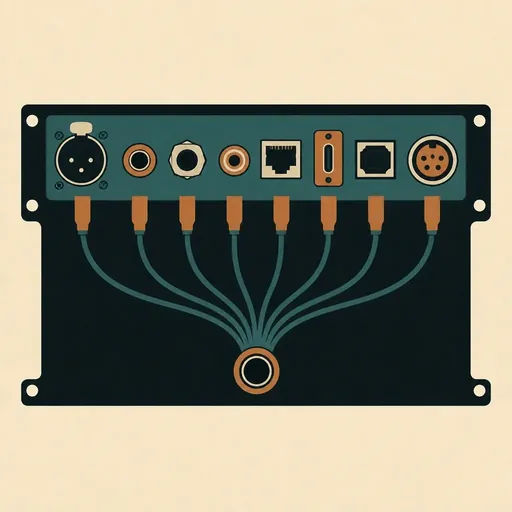
If it is in the chart, we can reach it. HL7 v2, FHIR, an interface engine, a scanned consent form. We have built against all four.
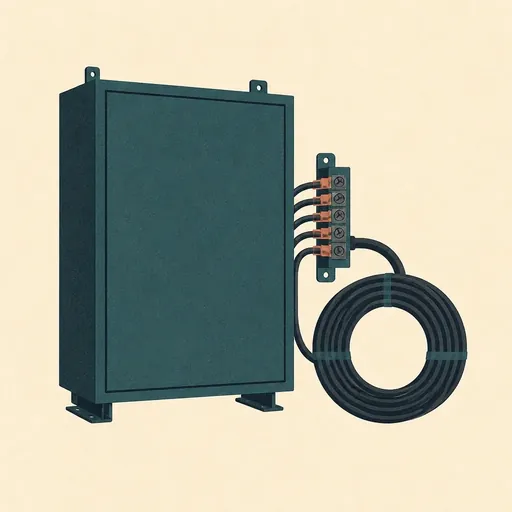 No API
  No documentation
  A terminal from 1994
  It arrives as paper
  The vendor said no
  It reports nothing
 Not a list of limits. Name yours on the call.
And once we can reach it, a model can read it. Most of the value here is in the sources nobody ever structured — the note, the letter, the screen.
Intelligence, plumbed in
The work is HL7 and FHIR plumbing, one agreed meaning per field, and an eval set of appeals your team already won.
How we make AI survive real data Connectors
  A semantic layer
 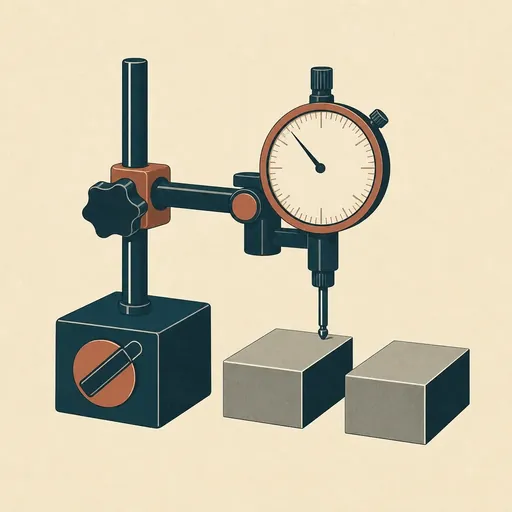 Evals you can check
 What changes
 Denials
 The clinical evidence pulled from the record, matched to the payer's stated reason, formatted to that payer's requirements.
 Prevention
 Patterns from your own denial history, applied to claims that have not gone out yet. The cheapest denial is the one that never happens.
 Visibility
 So the conversation with a payer is evidence-led, and so you know which fights are worth having.
Who this is for
 VP Revenue Cycle
  Director of Patient Financial Services
  CFO
CFO  Chief Medical Information Officer
  Director of HIM
 Straight answers

Underneath them, usually. Billing platforms and RCM vendors are built to submit claims and follow up on status. The work that does not get done is arguing a denial, because that means reading the medical record rather than querying a database. That is the gap we build into.

No, and you should be suspicious of anyone who suggests it. We build the operational layer on top of the system of record you already have.

A free call, then a proper look at your data. We come back with your real denial and appeal numbers, what you can recover, and whether a build is worth it. If it is not, we say so.

It assembles the evidence and drafts a first version. A person signs every one. We score the drafts against appeals your team already won.
For hospitals that means the DPDP Act 2023, NABH, ABDM health data standards and NHA claim rules. We read the rule before the call, so the first meeting is about your operation rather than about us catching up.
What you already run stays where it is. Around it we build software, hardware and the process itself. Here that means an appeal pack that assembles itself from the chart.
See everything we build Software
 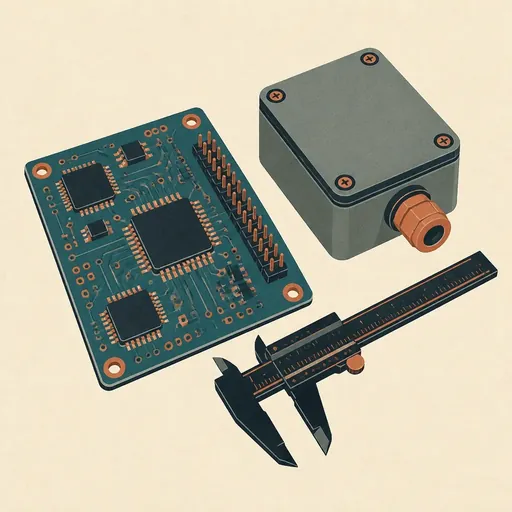 Hardware
 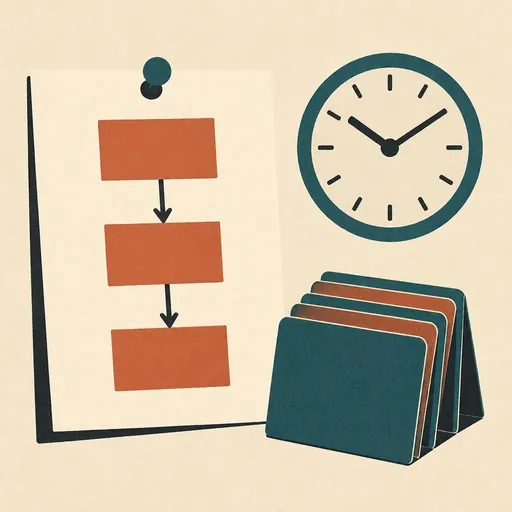 Ways of working
  Whole ventures
 Honest about the numbers
We have not localised it, because a number nobody can check is worth less than a real one plus this sentence. The pattern travels. The size of it in your market is a question for the call.
Same industry, other markets