

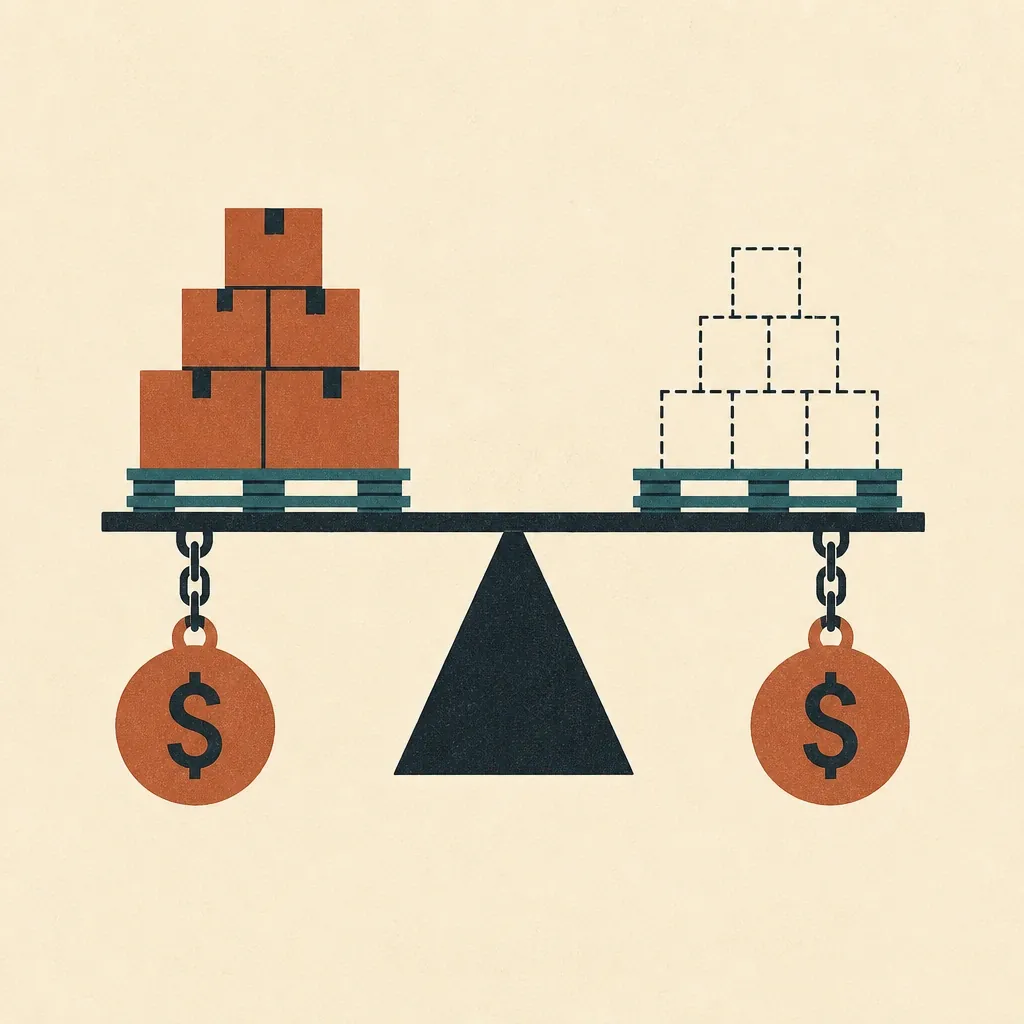
Both failure modes are expensive, and you get both
Excess stock ties up working capital, adds storage cost and risks obsolescence. Stockouts lose the sale and sometimes the customer. Most operations swing between them.
Supply chain & industry · North America
Stockouts and excess inventory persist in organisations that bought every system designed to prevent them.
between a month closing and the official inventories figure for it being published.
Source: US Census Bureau, Manufacturing and Trade Inventories and Sales
In North America
Platforms in this market
Rules that apply here
We read the rule before the call. It is the cheapest way to prove we did the work.
What is happening
Excess stock ties up working capital, adds storage cost and risks obsolescence. Stockouts lose the sale and sometimes the customer. Most operations swing between them.

ERP, demand forecasting, S&OP, IBP and inventory optimisation are all widely adopted. Stockouts, excess and reactive planning remain.
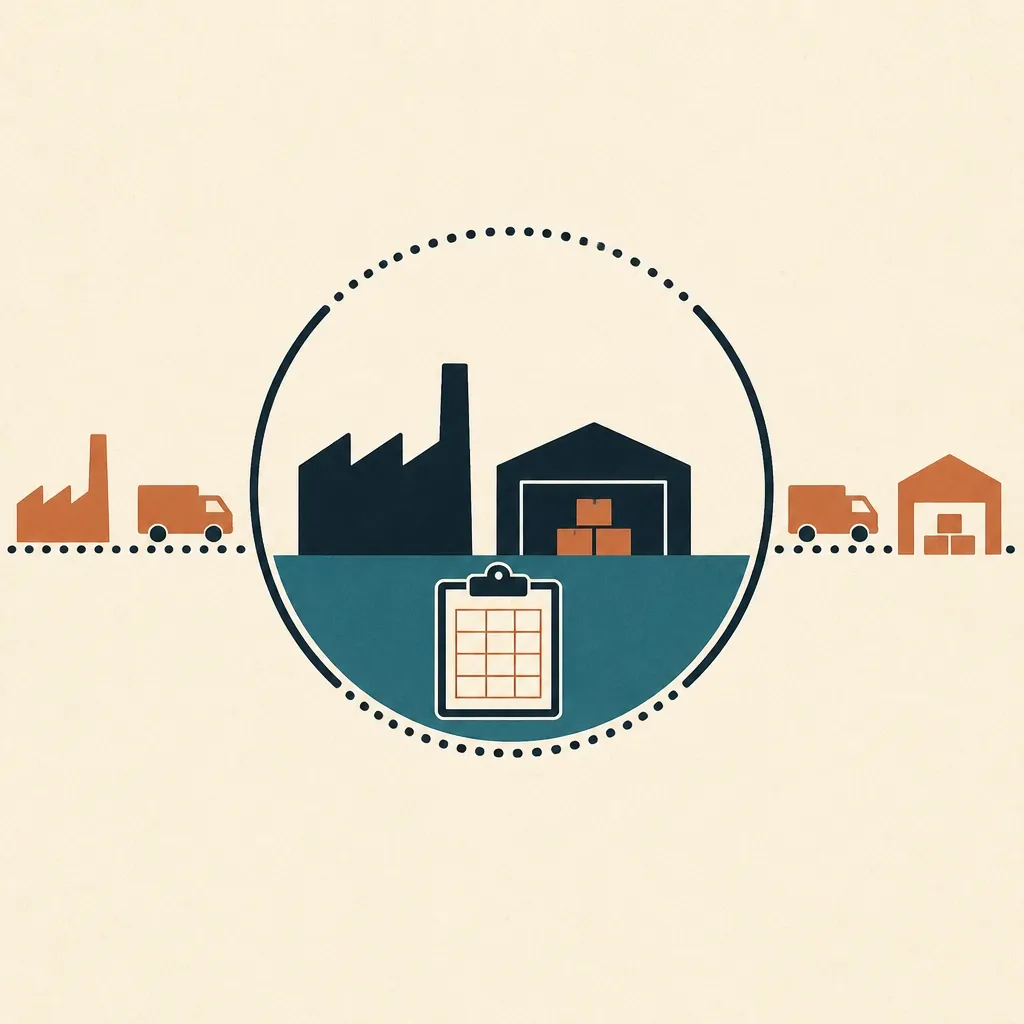
Without real-time visibility across suppliers, transit and warehouses, planning is done against numbers that were true last week.
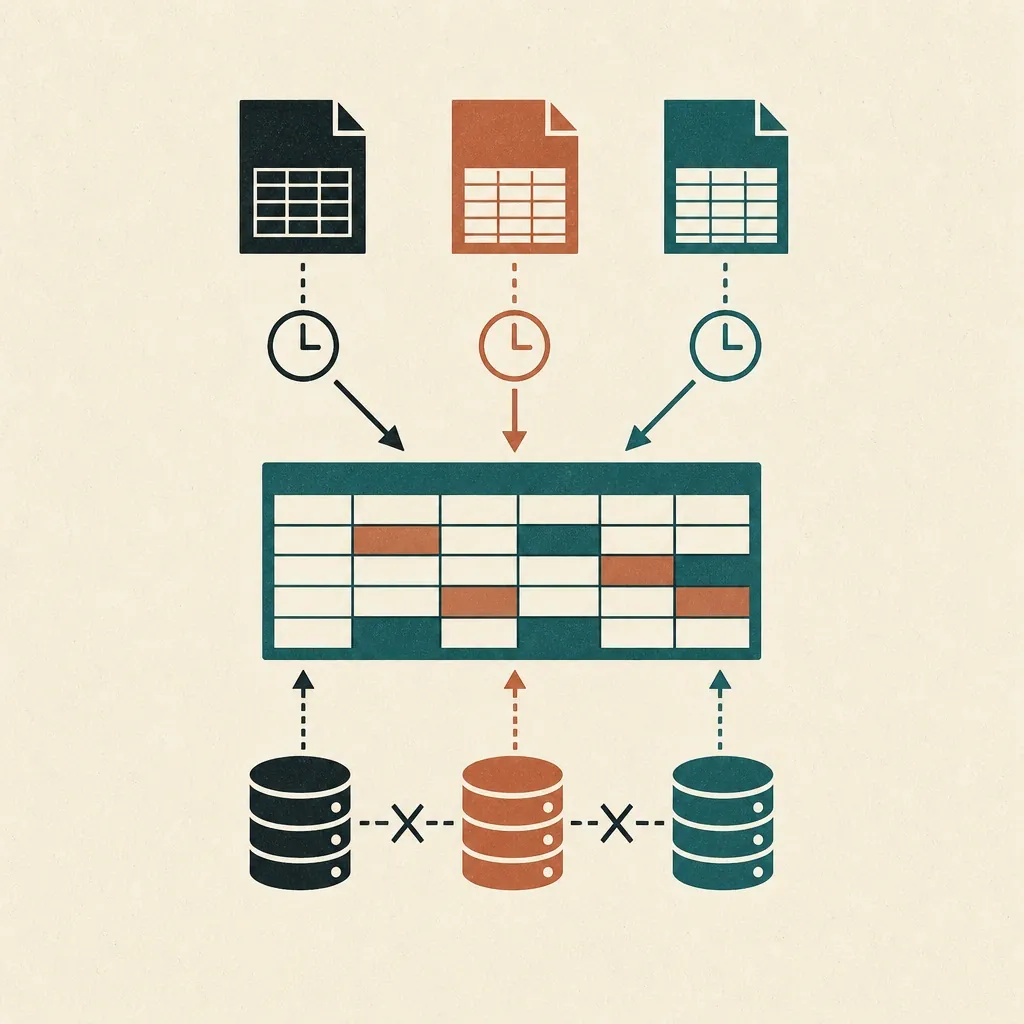
Separate versions edited by several people, updates that arrive late, and no connection between inventory, purchasing and accounting.
However hard, whatever it is
We wrote this about seeing across the ERP. If yours is customs, carrier performance or a stockout nobody predicted, we work it identically.
 01
01 Days where the work happens, not a workshop in a meeting room. We watch the job get done and write down the shortcuts nobody wrote down.
 02
02 Your data, your rules, your vendors and their documentation, and the published research on your sector. We report what is actually in there.
 03
03 Not which tool fixes this. What is actually causing it, taken apart until we reach the piece that cannot be divided further.
 04
04 Weeks, not quarters. By this point we are not guessing what to build, and guessing is the thing that makes projects long.
Where we sit
What you get
Built new for you — none of this exists in your stack today
What you already run — unchanged, and still yours
However the carrier reports it, we can read it. EDI, a CSV dropped by SFTP, a tracking page with no API, a photo from a driver. All of it becomes one view.
 No API
  No documentation
  A terminal from 1994
  It arrives as paper
  The vendor said no
  It reports nothing
 Not a list of limits. Name yours on the call.
And once we can reach it, a model can read it. Most of the value here is in the sources nobody ever structured — the note, the letter, the screen.
Intelligence, plumbed in
The build is a connector per carrier, a semantic layer for the differences, and a test set of shipments you can check.
How we make AI survive real data Connectors
  A semantic layer
  Evals you can check
 What changes
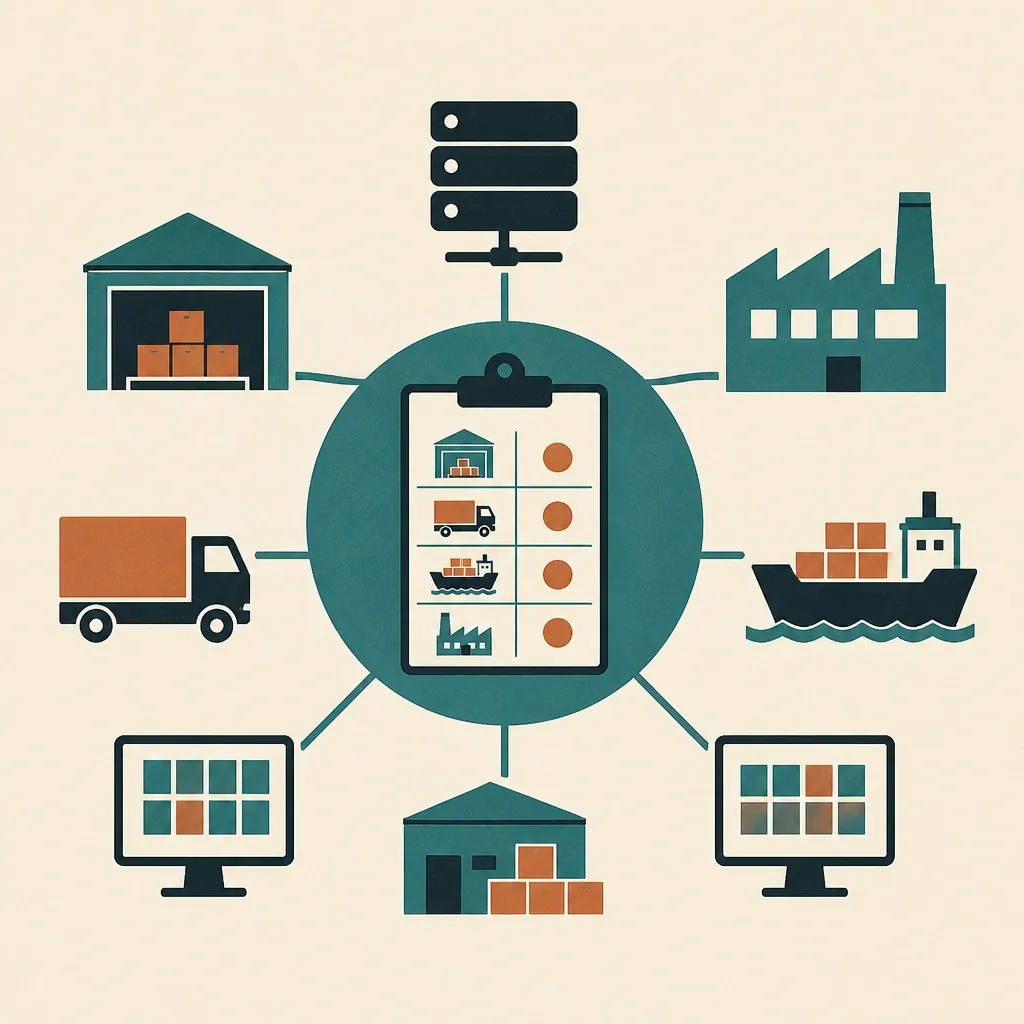 One truth
 Across locations, in transit and on order, reconciled between ERP, WMS and supplier feeds.
 Earlier warning
 Based on actual lead-time variance rather than the static lead time in the item master.
 Working capital
 Over-forecast, over-ordered, obsolete or stranded at the wrong location — because each needs a different decision.
Who this is for
 VP Supply Chain
  Head of Planning
  Operations Director
  Procurement Head
  CFO
CFO Straight answers

An ERP records what happened. It is not built to reconcile itself against a warehouse system, a supplier file and a carrier feed that each describe the same shipment differently. That reconciliation is where the visibility gap lives.
No. We build the layer that connects them and makes the combined picture usable, which is usually cheaper and far less disruptive than replacing either.

We count your own stock across your systems and show you where they disagree. That disagreement is usually the finding, and you see it before committing to anything.
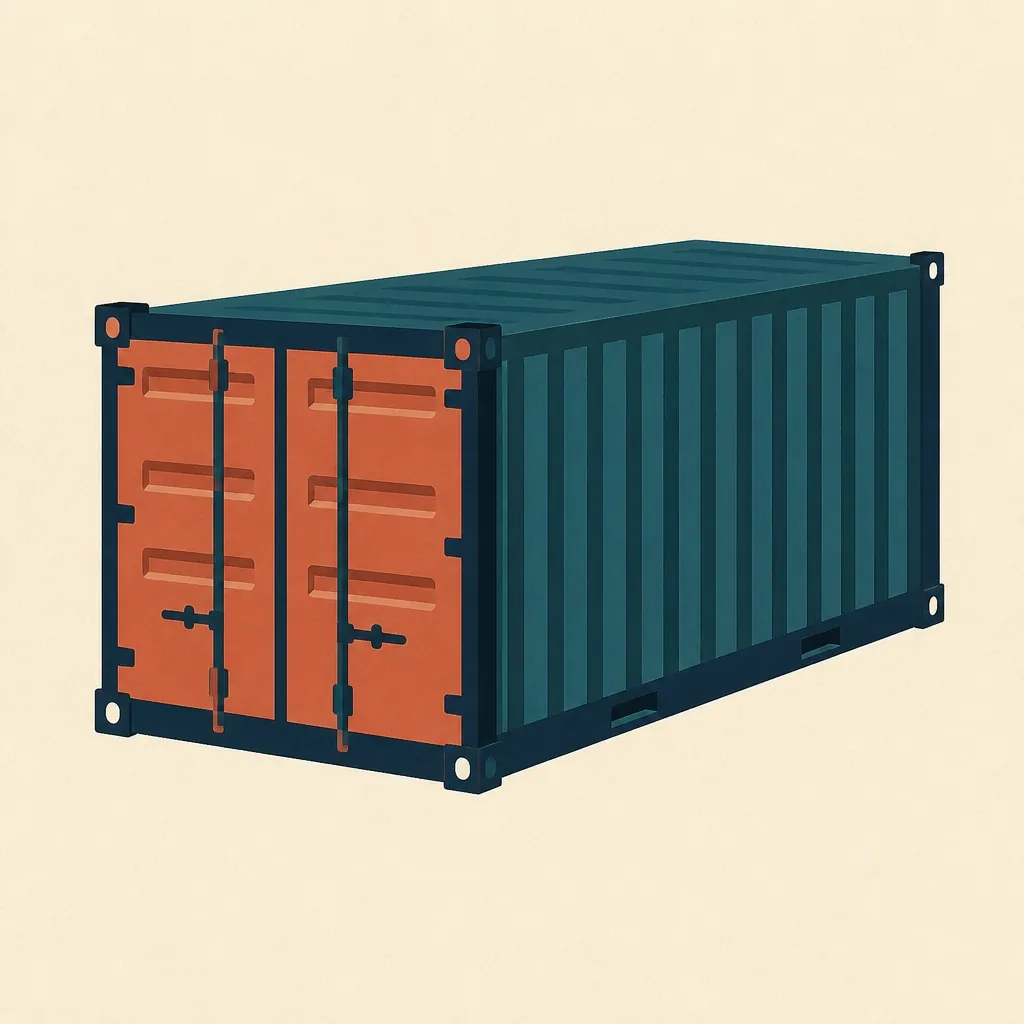
One meaning sits above every format, held in a semantic layer. We score it against shipments you can check yourself.
For supply chain that means CBP and ACE filing, FDA import alerts, C-TPAT and UFLPA supply-chain checks. We read the rule before the call, so the first meeting is about your operation rather than about us catching up.
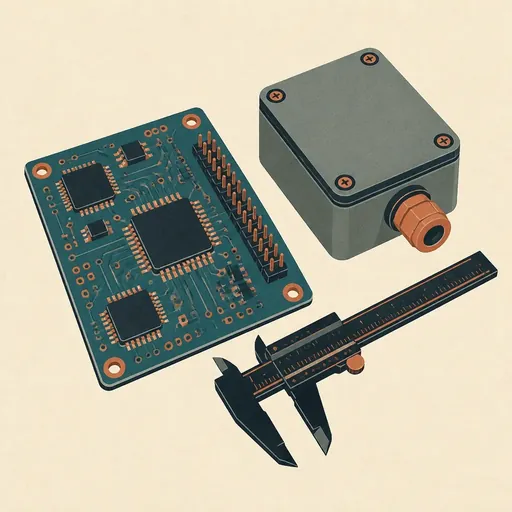
What you already run stays where it is. Around it we build software, hardware and the process itself. Here that means a tracker for the legs of the journey nobody reports on.
See everything we build Software
  Hardware
  Ways of working
  Whole ventures
 Honest about the numbers
We have not localised it, because a number nobody can check is worth less than a real one plus this sentence. The pattern travels. The size of it in your market is a question for the call.
Same industry, other markets