


Telematics tells you position, not profitability
Cost per kilometre by vehicle, route and driver requires joining telematics, fuel, maintenance and payroll. Most operations join none of them.
Supply chain & industry · North America
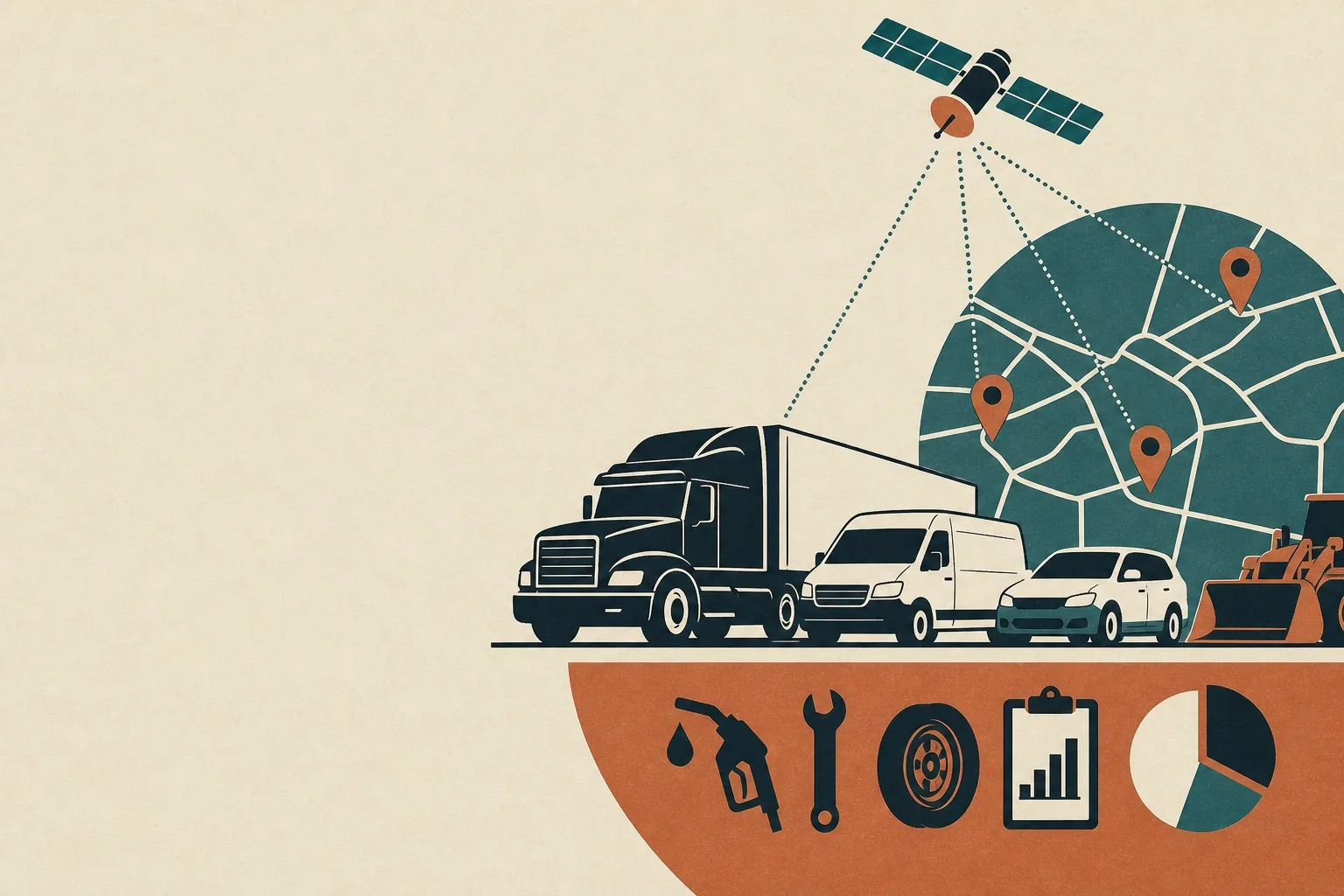
Telematics answered the location question a decade ago. The economics question is still open.
of inspected trucks carried maintenance defects that would have put them out of service before the crash.
In North America
Platforms in this market
Rules that apply here
We read the rule before the call. It is the cheapest way to prove we did the work.
What is happening
Cost per kilometre by vehicle, route and driver requires joining telematics, fuel, maintenance and payroll. Most operations join none of them.
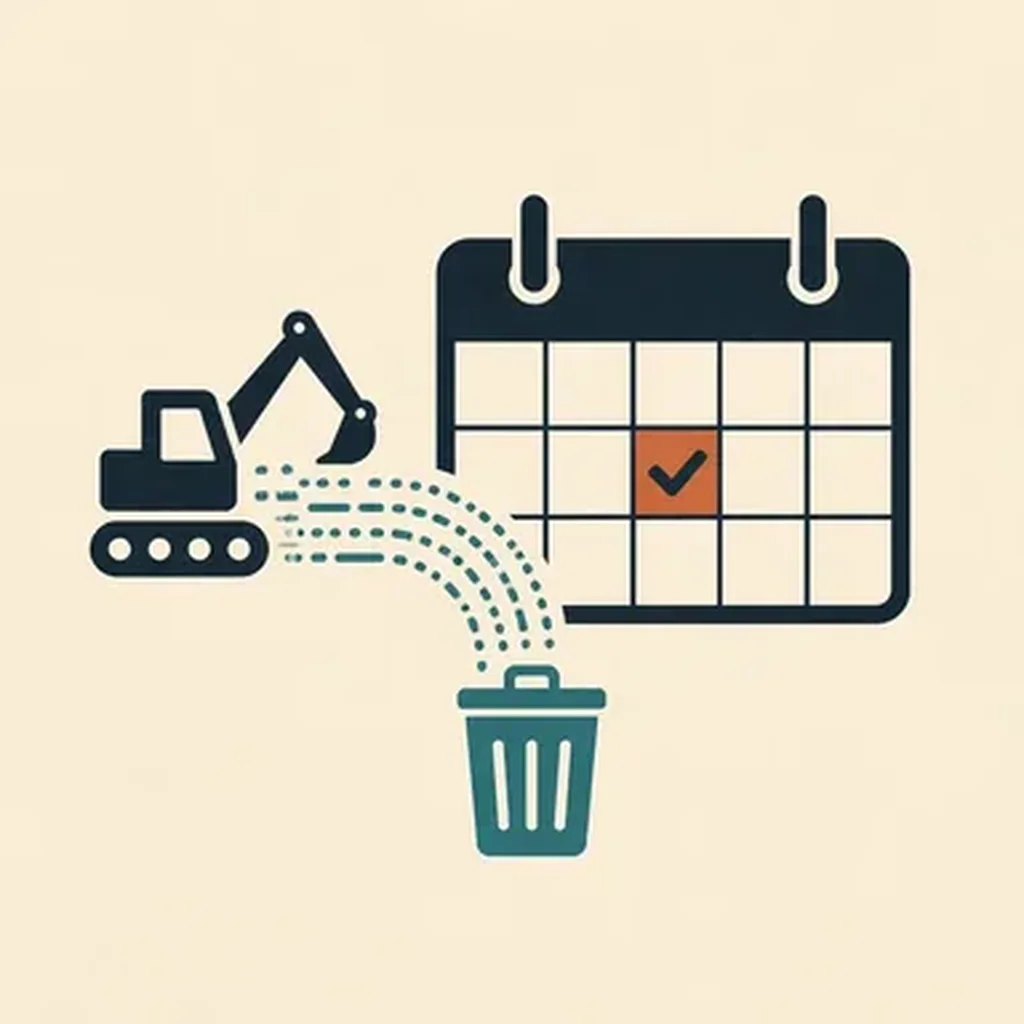
While the data to schedule by condition is already streaming off the vehicle and being discarded.
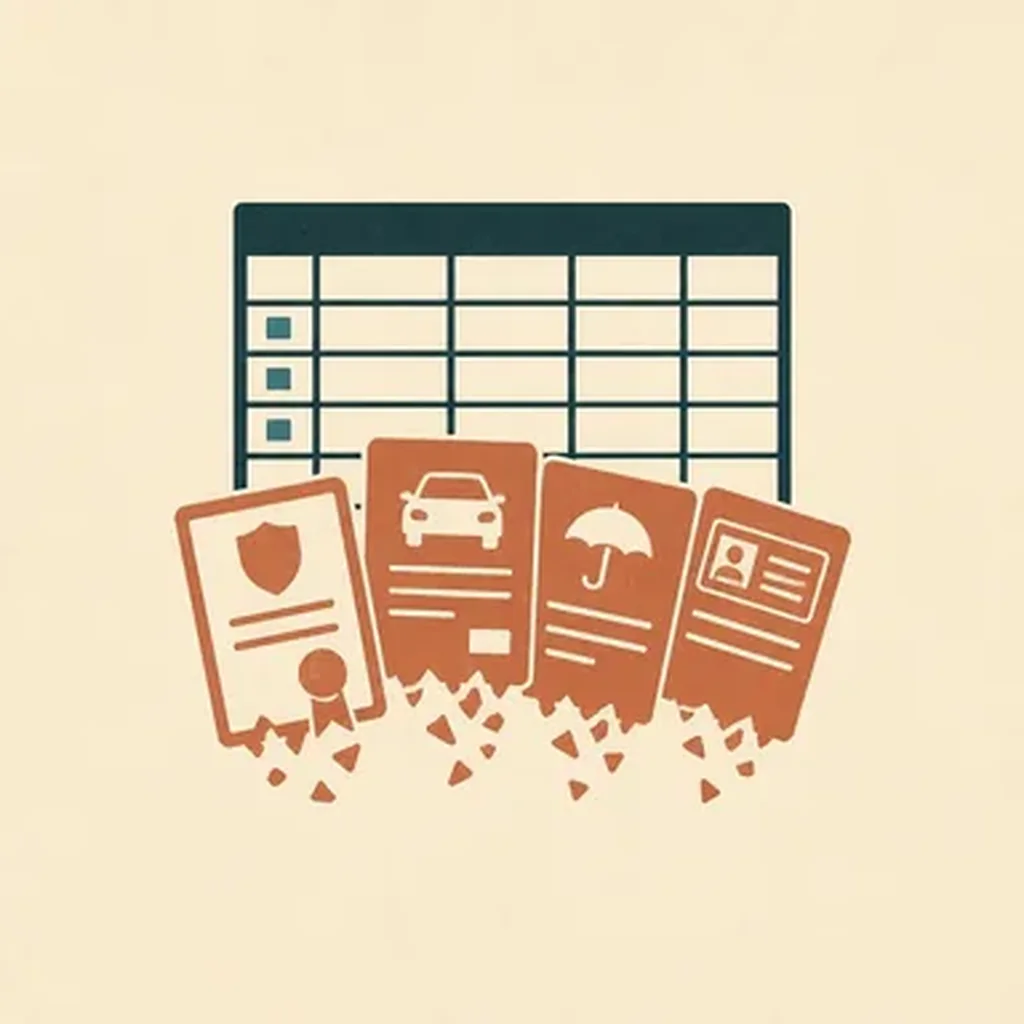
Permits, fitness certificates, insurance and driver licences, tracked in a spreadsheet somebody remembers to open.
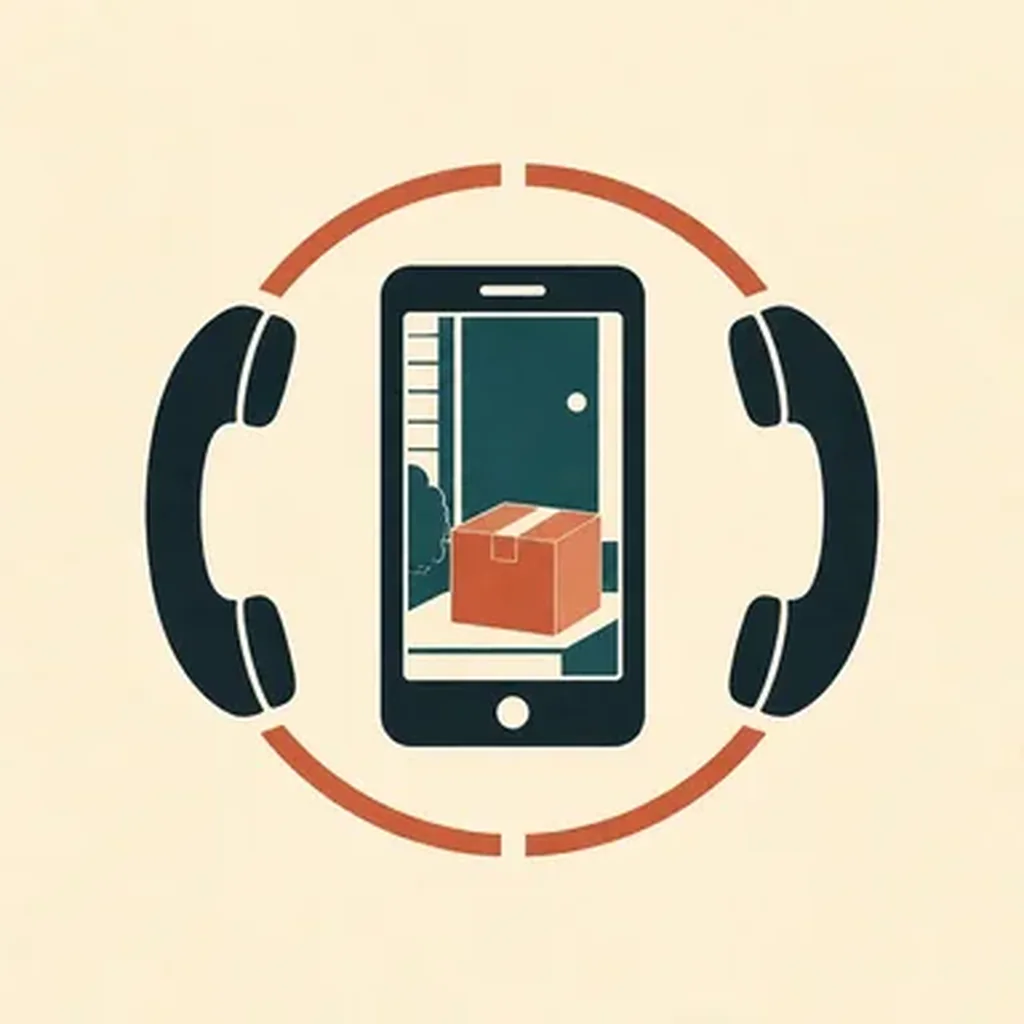
Because the evidence is a photograph on a driver's personal device.
However hard, whatever it is
This page is about what a vehicle actually costs. If yours is compliance, driver retention or a depot nobody can compare, same method.
 01
01 Days where the work happens, not a workshop in a meeting room. We watch the job get done and write down the shortcuts nobody wrote down.
 02
02 Your data, your rules, your vendors and their documentation, and the published research on your sector. We report what is actually in there.
 03
03 Not which tool fixes this. What is actually causing it, taken apart until we reach the piece that cannot be divided further.
 04
04 Weeks, not quarters. By this point we are not guessing what to build, and guessing is the thing that makes projects long.
Where we sit
What you get
Built new for you — none of this exists in your stack today
What you already run — unchanged, and still yours
If the vehicle knows it, we can read it. If the unit will not share, we build our own. A telematics API, a fuel card file, the CAN bus, a tracker that exports nothing. And a box we make when needed.
 No API
  No documentation
 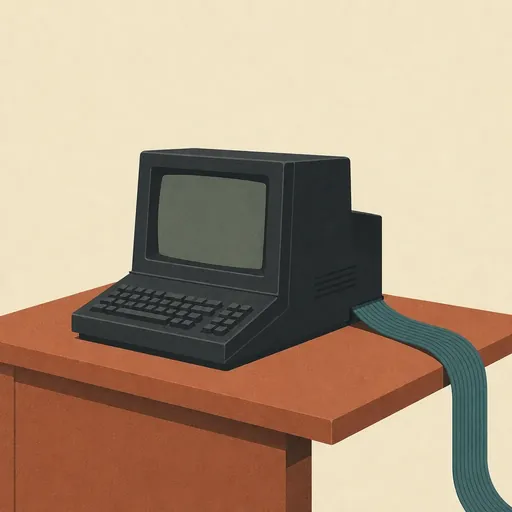 A terminal from 1994
 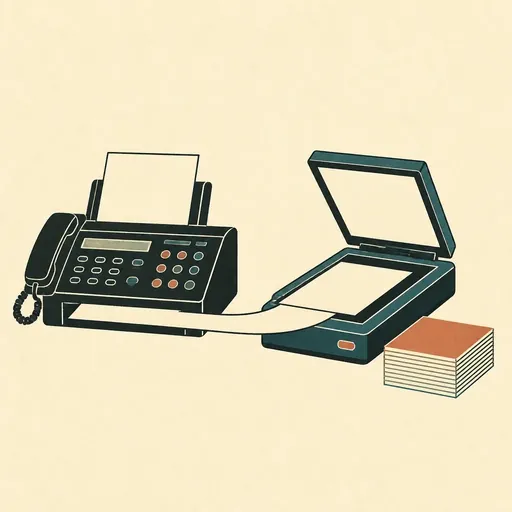 It arrives as paper
  The vendor said no
 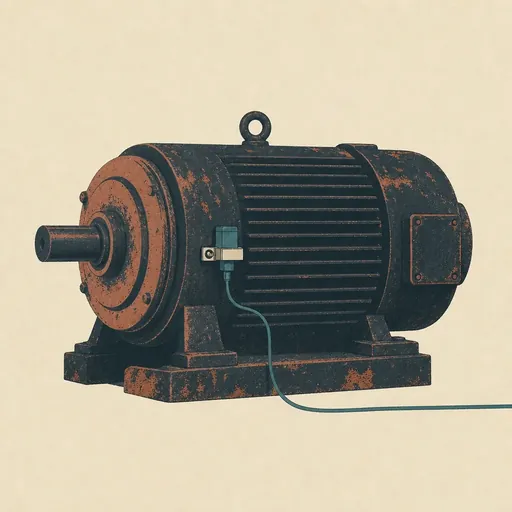 It reports nothing
 Not a list of limits. Name yours on the call.
And once we can reach it, a model can read it. Most of the value here is in the sources nobody ever structured — the note, the letter, the screen.
Intelligence, plumbed in
We build the reader, the telematics connector, and a scored test against breakdowns you have already paid for.
How we make AI survive real data Connectors
 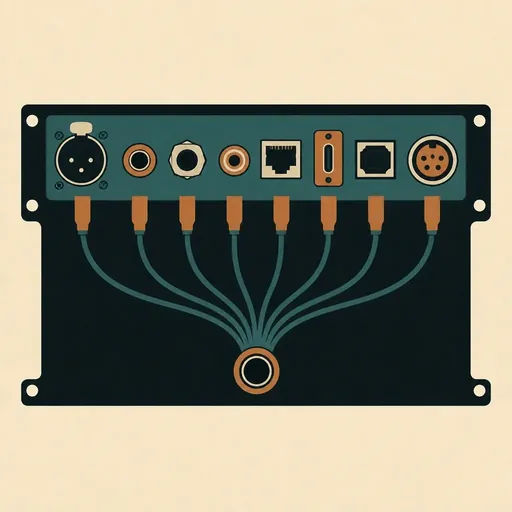 A semantic layer
  Evals you can check
 What changes
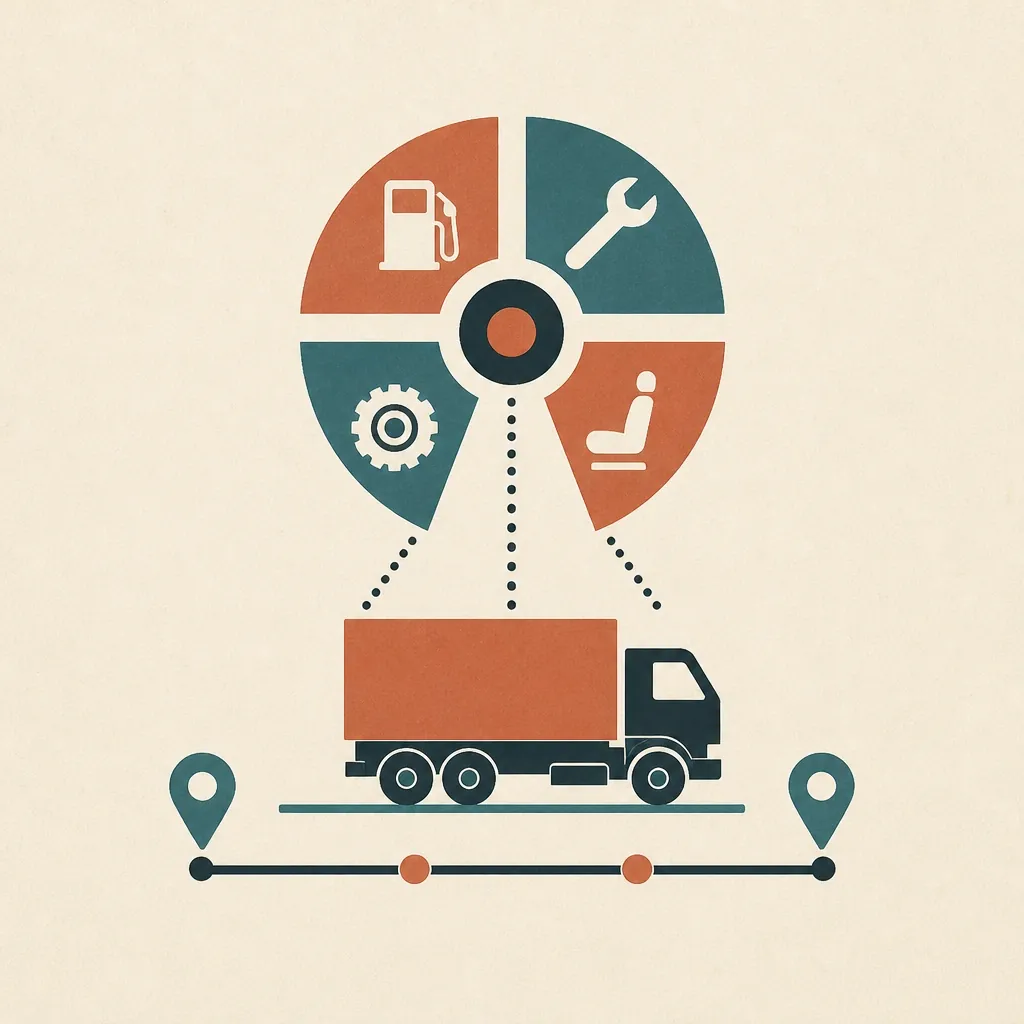 Per km
 Fuel, maintenance, driver cost and utilisation combined, so route pricing is based on actual economics.
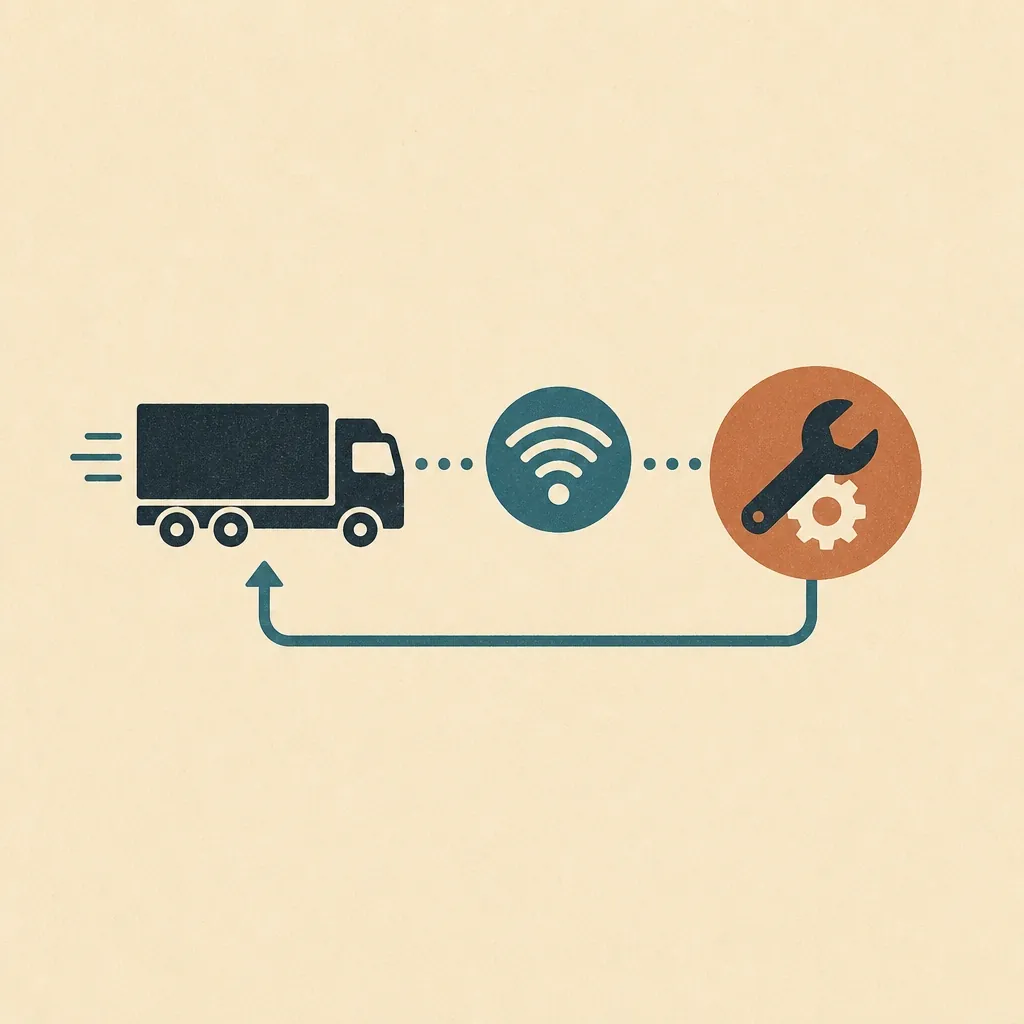 Condition
 Using the telematics data you already pay to collect.
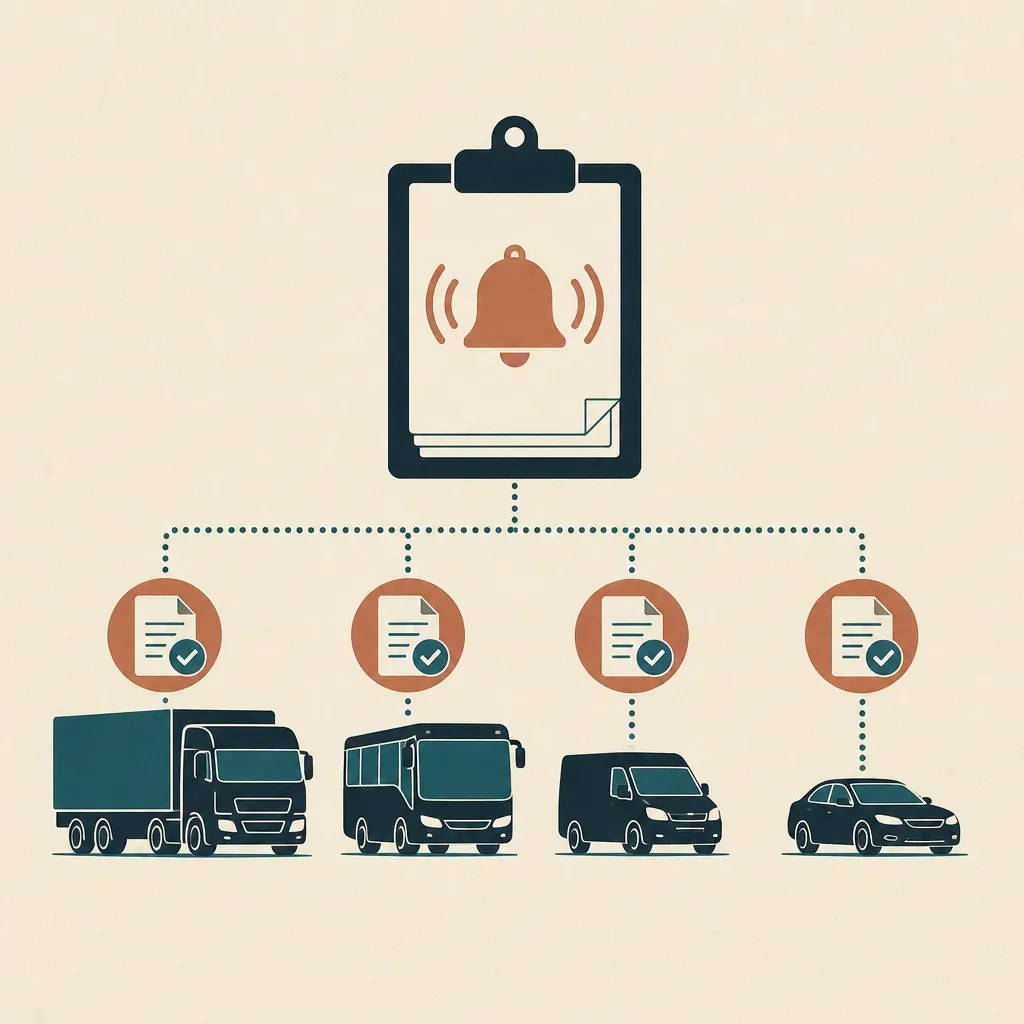 No lapses
 Permits, fitness, insurance and licences, surfaced weeks before expiry rather than at a checkpoint.
Who this is for
 Fleet Manager
  Operations Director
  Transport Manager
  Finance Head
  Compliance Officer
 Straight answers
Location is the easy data and it is already solved. What is missing is the join — fuel against distance, maintenance against utilisation, driver cost against route revenue. That join is where the margin question gets answered.
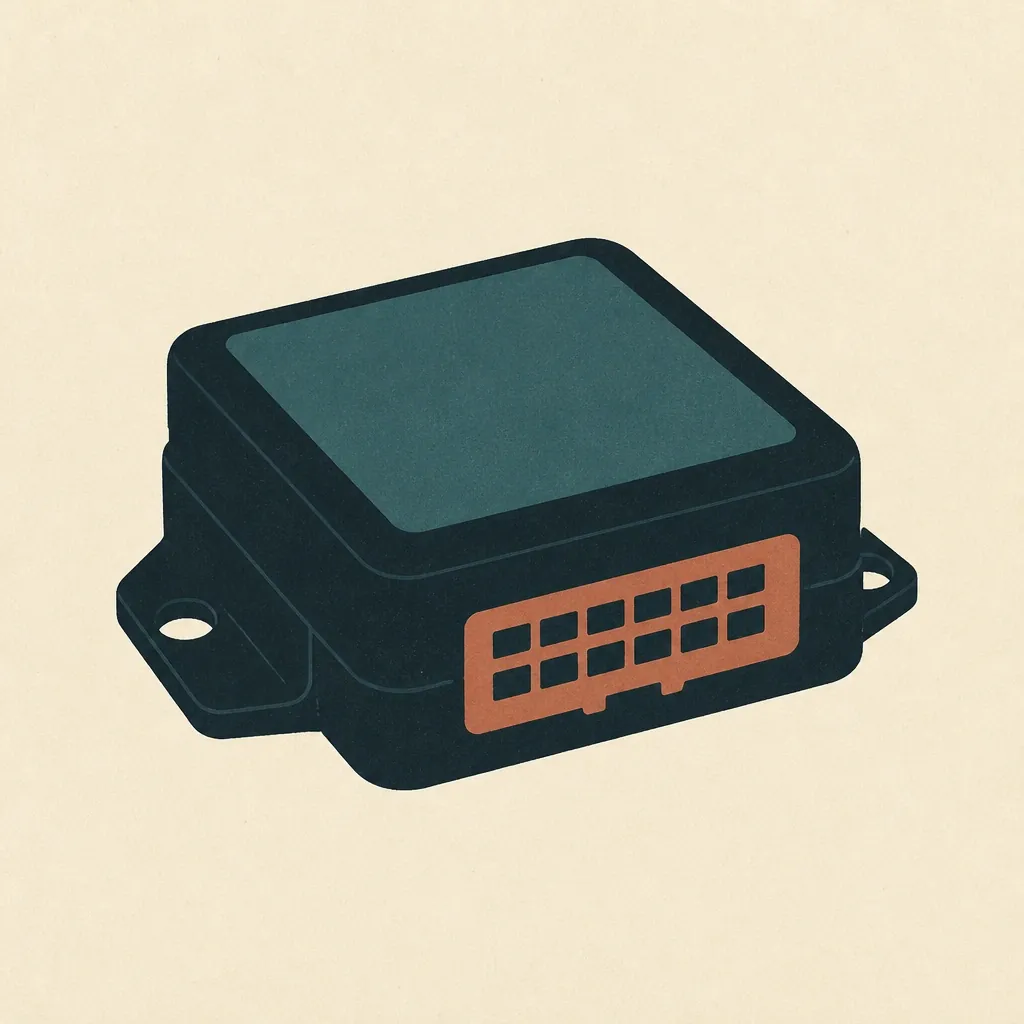
Yes. We read from whatever is installed rather than asking you to change hardware. Replacing telematics is expensive and rarely the actual problem.

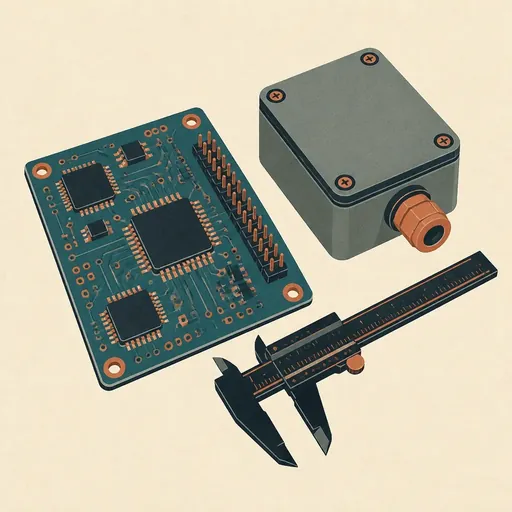
Yes, though we would push back first. Most fleet questions are answerable from existing data. Where they genuinely are not, we build the sensor as well as the software.

Yes, and they are the earliest maintenance signal you have. We test the reader against breakdowns you have already paid for.
For transport & fleet that means the FMCSA ELD mandate, hours of service rules, IFTA fuel tax and DOT inspections. We read the rule before the call, so the first meeting is about your operation rather than about us catching up.
What you already run stays where it is. Around it we build software, hardware and the process itself. Here that means a box we build when the telematics unit will not share data.
See everything we build Software
  Hardware
  Ways of working
  Whole ventures
 Honest about the numbers
We have not localised it, because a number nobody can check is worth less than a real one plus this sentence. The pattern travels. The size of it in your market is a question for the call.
Same industry, other markets