


$10.9B Allocated, and more than half of programmes hit failure
Inaccurate cost and schedule estimates, uncontrolled scope expansion, inadequate cloud migration planning and missing cybersecurity strategies.

Public sector · UK & Europe
Of $10.9 billion allocated across 24 programmes, more than half encountered failure.
critical defence legacy IT systems flagged for modernisation had not been modernised.
Source: GAO-25-107795: Agencies Need to Plan for Modernizing Critical Legacy Systems
In the UK and Europe
Platforms in this market
Rules that apply here
We read the rule before the call. It is the cheapest way to prove we did the work.
What is happening
Inaccurate cost and schedule estimates, uncontrolled scope expansion, inadequate cloud migration planning and missing cybersecurity strategies.

A multi-year programme is specified against a threat picture that has moved by the time it delivers.
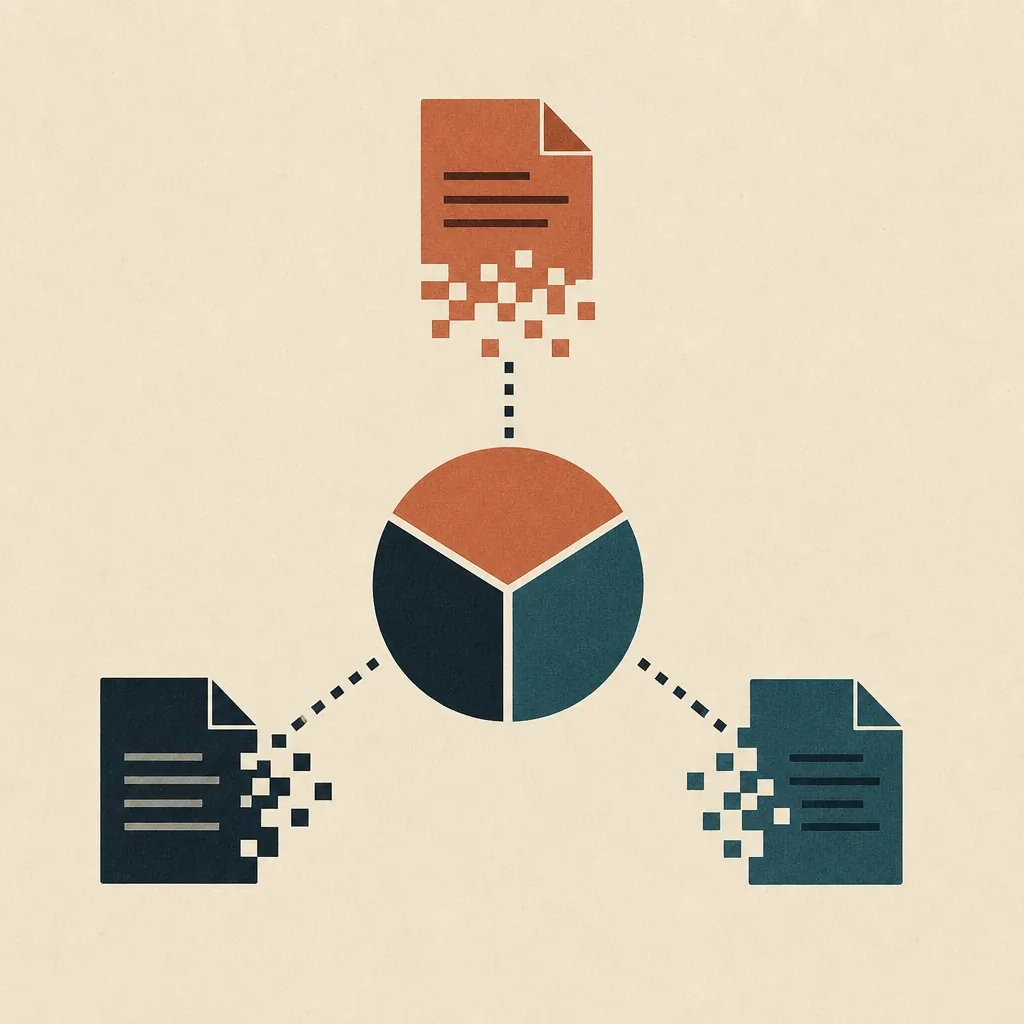
Which is correct from a security standpoint, and means the operational picture has to be assembled by people.

The highest-risk possible approach, applied to the systems where risk is least acceptable.
However hard, whatever it is
This page is about reading a legacy system with no internet. If yours is test data, supply assurance or something you cannot name here, say so on the call.
 01
01 Days where the work happens, not a workshop in a meeting room. We watch the job get done and write down the shortcuts nobody wrote down.
 02
02 Your data, your rules, your vendors and their documentation, and the published research on your sector. We report what is actually in there.
 03
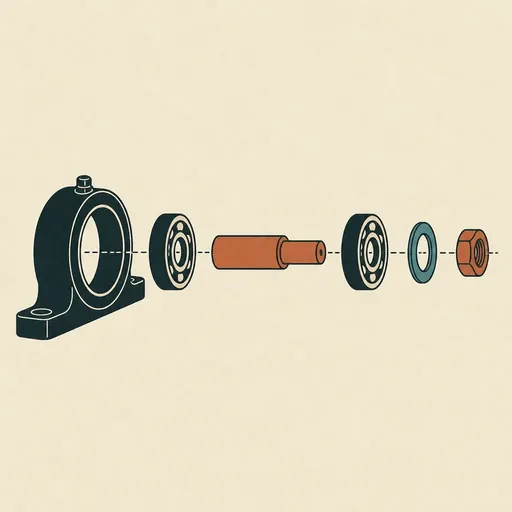
03 Not which tool fixes this. What is actually causing it, taken apart until we reach the piece that cannot be divided further.
 04
04 Weeks, not quarters. By this point we are not guessing what to build, and guessing is the thing that makes projects long.
Where we sit
What you get
Built new for you — none of this exists in your stack today
What you already run — unchanged, and still yours
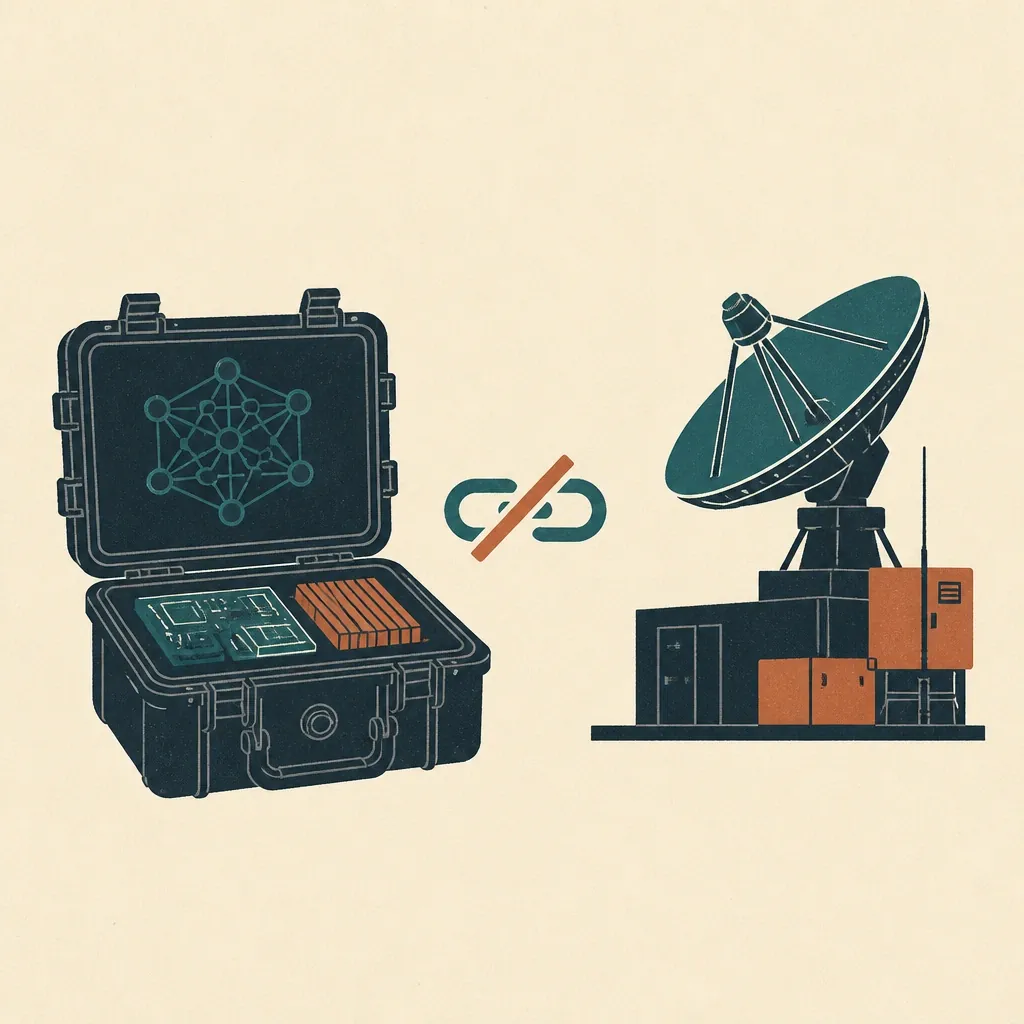
No internet is not a limit. It is a requirement we design for. A mainframe behind a one-way feed, a radio link that drops, a box with no network at all. We have built for each.
 No API
  No documentation
  A terminal from 1994
  It arrives as paper
  The vendor said no
  It reports nothing
 Not a list of limits. Name yours on the call.
And once we can reach it, a model can read it. Most of the value here is in the sources nobody ever structured — the note, the letter, the screen.
Intelligence, plumbed in
On-device inference on hardware we specify and build, with no cloud call to make and nothing to call out to.
How we make AI survive real data Connectors
  A semantic layer
  Evals you can check
 What changes
 Incremental
 Small, verifiable increments around existing systems, each useful alone.
 Air-gap ready
 Local-first, on-device inference where required, and designed for intermittent or absent connectivity.
 Auditable
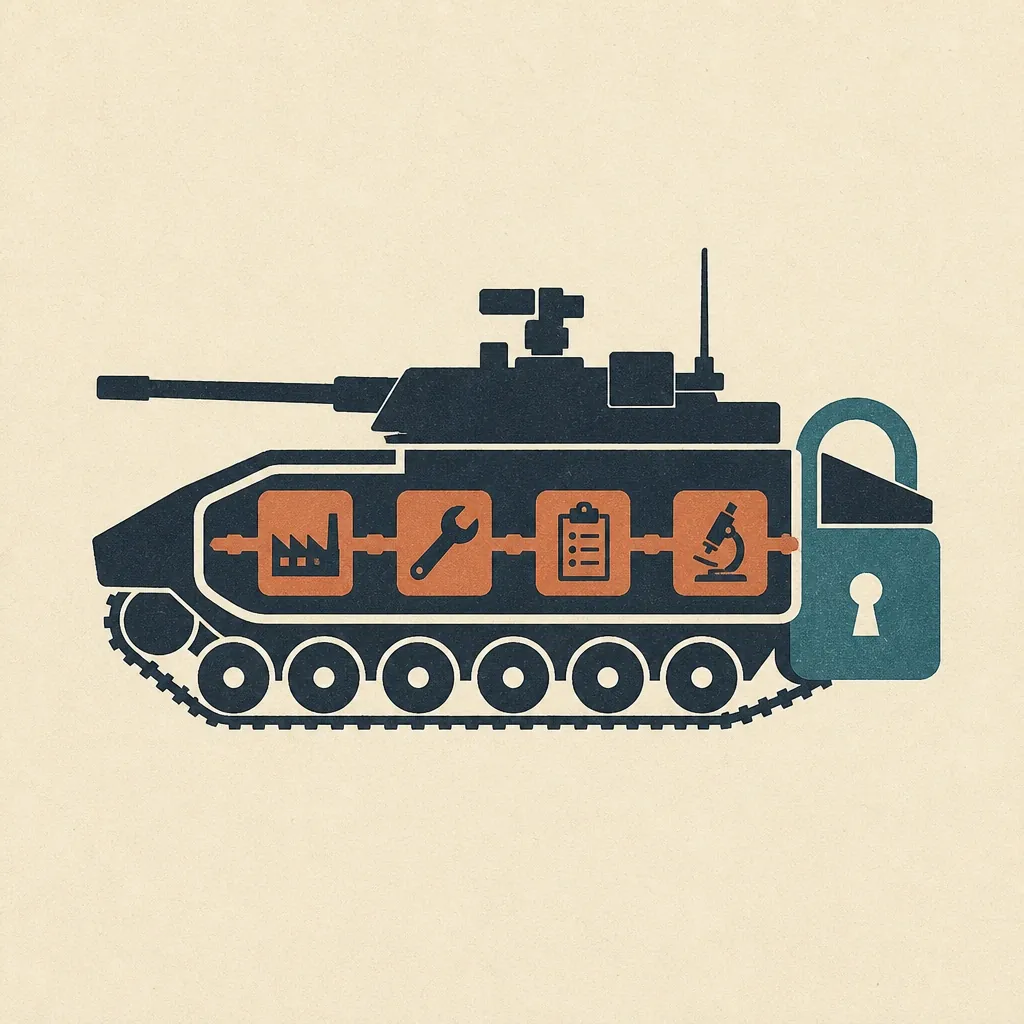
 Not added at accreditation time, when it is most expensive.
Who this is for
 Programme Manager
  Chief Technology Officer
  Head of Digital
  Systems Integration Lead
  Security Accreditation Lead
 Straight answers

We build for it architecturally — local-first data, on-device inference, no dependency on external services at runtime. We have shipped fully offline inference with encrypted local storage. Clearance and accreditation requirements are jurisdiction-specific and we would work within whatever your programme requires.

The GAO findings point at cost and schedule estimation, scope expansion and migration planning. Underneath all three is scale: multi-year replacement programmes cannot absorb changing requirements. Incremental delivery around the existing system can.

As design constraints from the first day rather than a review at the end. Encryption, access logging, data minimisation and provenance are cheap to build in and expensive to retrofit.

Yes. Inference runs on hardware we specify and build, inside your wire. There is no cloud call and nothing to call out to.
For defence that means DEFCON 658 cyber risk, JSP 440 security, NATO STANAG interfaces and Cyber Essentials Plus. We read the rule before the call, so the first meeting is about your operation rather than about us catching up.
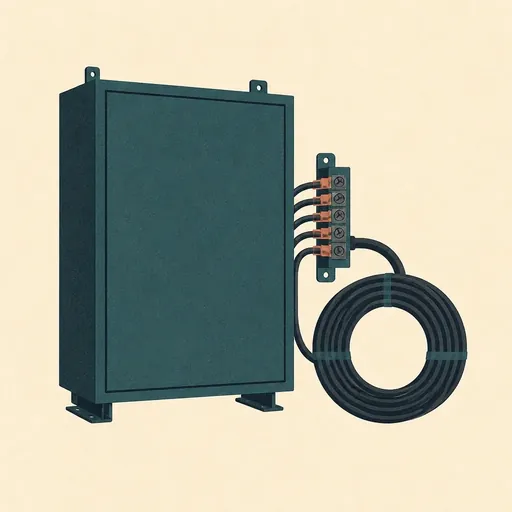
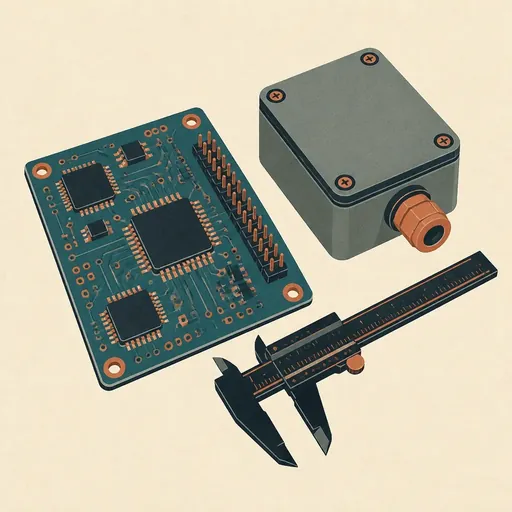
What you already run stays where it is. Around it we build software, hardware and the process itself. Here that means a rugged box that runs the model with no network.
See everything we build Software
  Hardware
  Ways of working
  Whole ventures
 Honest about the numbers
We have not localised it, because a number nobody can check is worth less than a real one plus this sentence. The pattern travels. The size of it in your market is a question for the call.
Same industry, other markets