

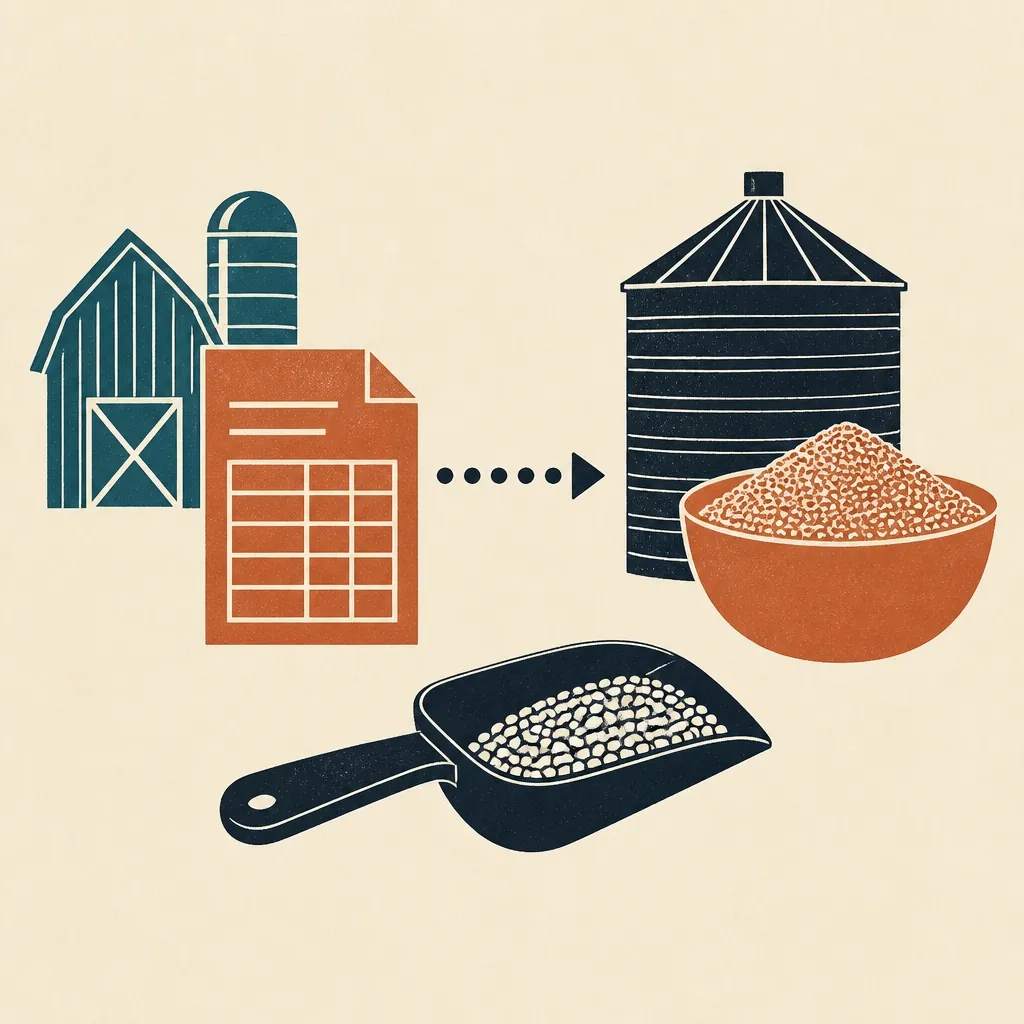
The traceability deadline moved to 2028, and nothing else changed
We got two more years. What should we actually do with them?
Figures and rules on this page apply to
United States
Working somewhere else? The shape of the problem usually travels. The deadlines do not.
What this looks like
A recall notice arrives on a Friday. Somebody starts a spreadsheet. Deliveries are traced through paper notes, a supplier mailbox and one person memory of which pallet went where. The answer is found by Monday, and by Monday it is too late to be worth much.
The numbers
Every figure here is someone else’s. Check them.
- Jul 2028earliest date the FDA will enforce the food traceability rule
- Jan 2026the original compliance date, which has already passed
- 30 monthsthe extension the agency proposed before Congress directed it
Why it happens
It is not a people problem.
Traceability is a chain, and a chain is only as good as its weakest handover. Most handovers in food are still a delivery note, a phone call or a photograph. Each link is recorded somewhere, and no two are recorded in the same place. So the chain exists only as an idea until somebody spends a weekend building it.
Why your current software has not fixed it
Because it was never built to.
Your stock system knows what you received and it is right about that. It cannot know what your supplier supplier did, because that firm sent a scanned note rather than a data feed. No vendor can close this, because closing it means reading whatever your partners happen to send, and that set is different for every business.
Intelligence, plumbed in
A supplier delivery note is a traceability record. It is also a photograph.
The build is a reader for whatever suppliers send, with lot identity carried end to end. Add a cold-bay capture, and a scanner we fit where none exists. Underneath it: a connector, one agreed meaning per field, and a test set scored on your own records.
How we make AI survive real data-
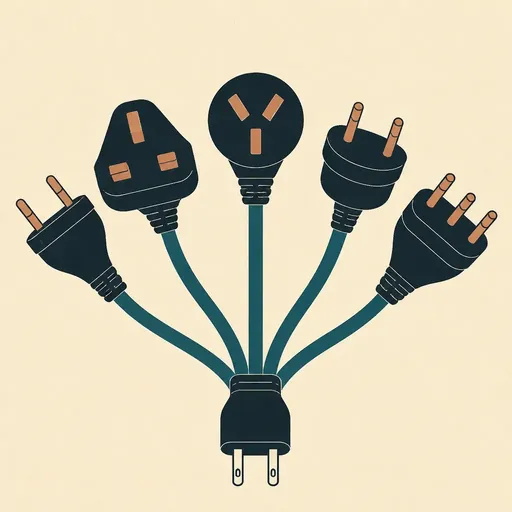 Connectors
 -
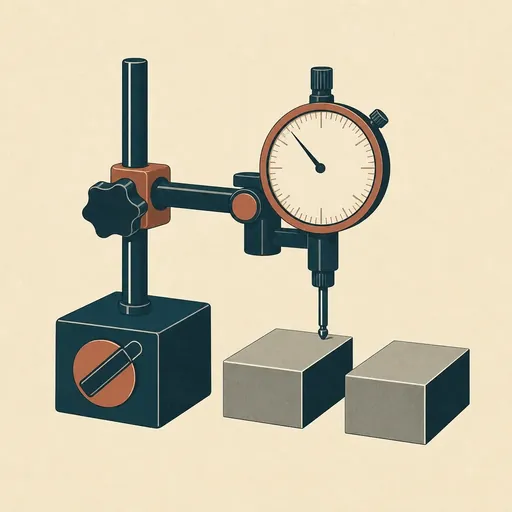
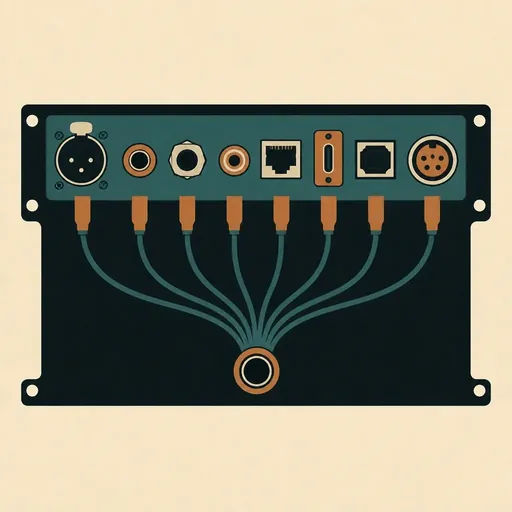 A semantic layer
 -
 Evals you can check
However hard, whatever it is
Traceability is one example. Bring the one that sounds impossible.
We wrote this up because the rule and its dates are public. If yours is yield, waste or supplier quality, we work it the same way.
-
 01
01 We sit with you
Days where the work happens, not a workshop in a meeting room. We watch the job get done and write down the shortcuts nobody wrote down.
-
 02
02 We read everything
Your data, your rules, your vendors and their documentation, and the published research on your sector. We report what is actually in there.
-
 03
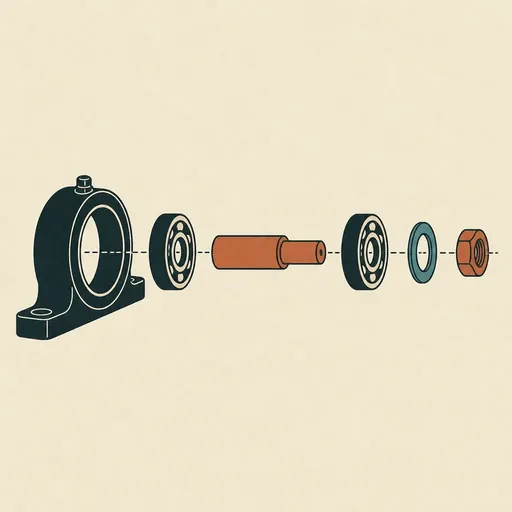
03 We break it to first principles
Not which tool fixes this. What is actually causing it, taken apart until we reach the piece that cannot be divided further.
-
 04
04 Then we build
Weeks, not quarters. By this point we are not guessing what to build, and guessing is the thing that makes projects long.
What we build
Specific enough to argue with.
Four mechanisms, not four features. Each one is a thing that happens on its own, every day, whether or not anyone remembers to run it.
-
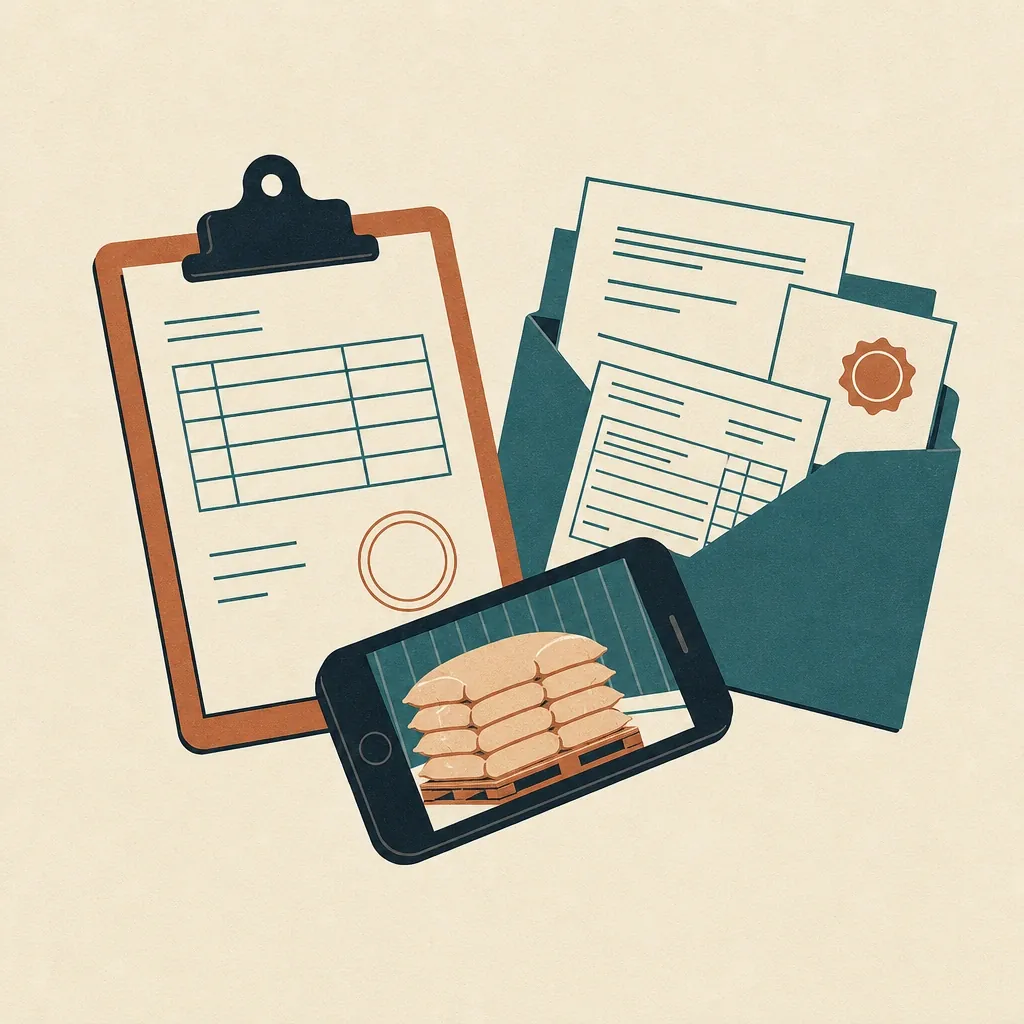
Delivery notes, certificates and supplier documents read on arrival in whatever form they come, including photographs from a phone.
-
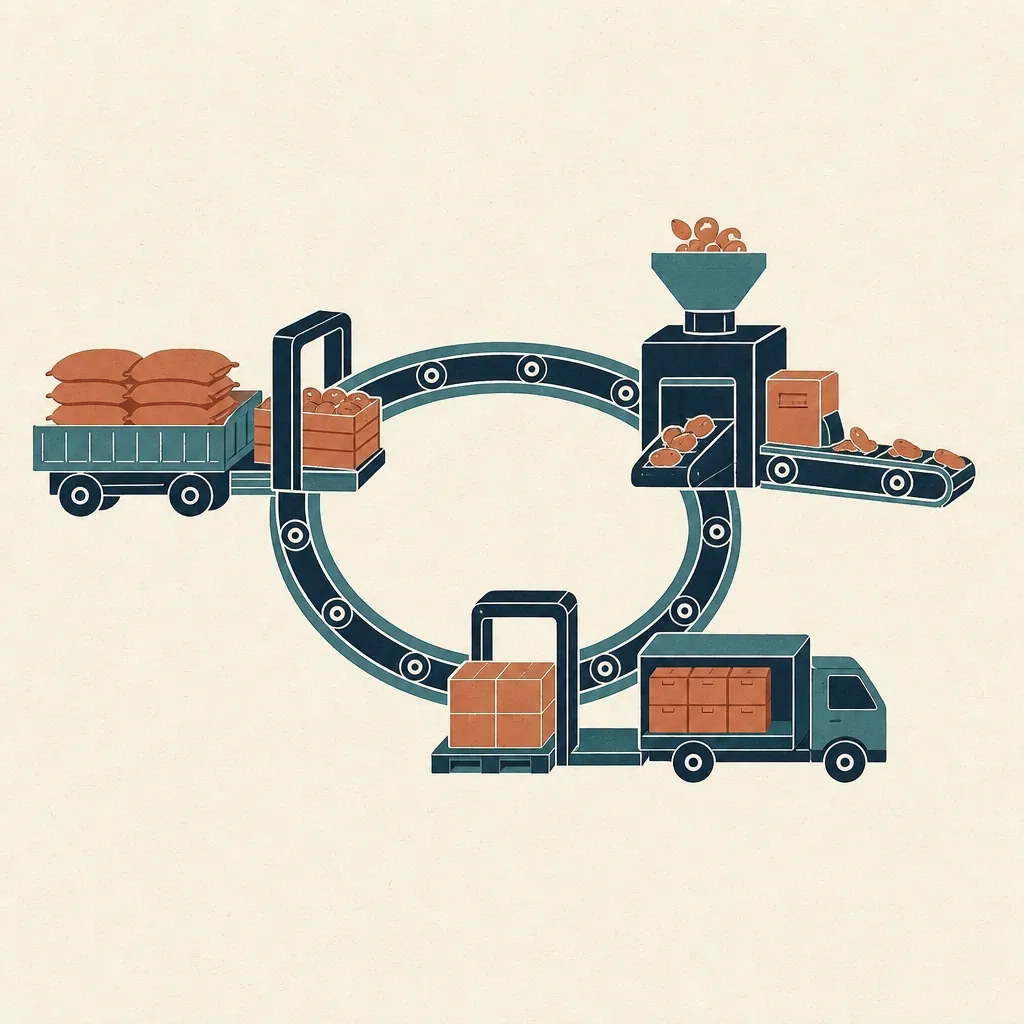
Lot and batch identity carried through goods-in, production and despatch, so a trace runs in minutes rather than over a weekend.
-
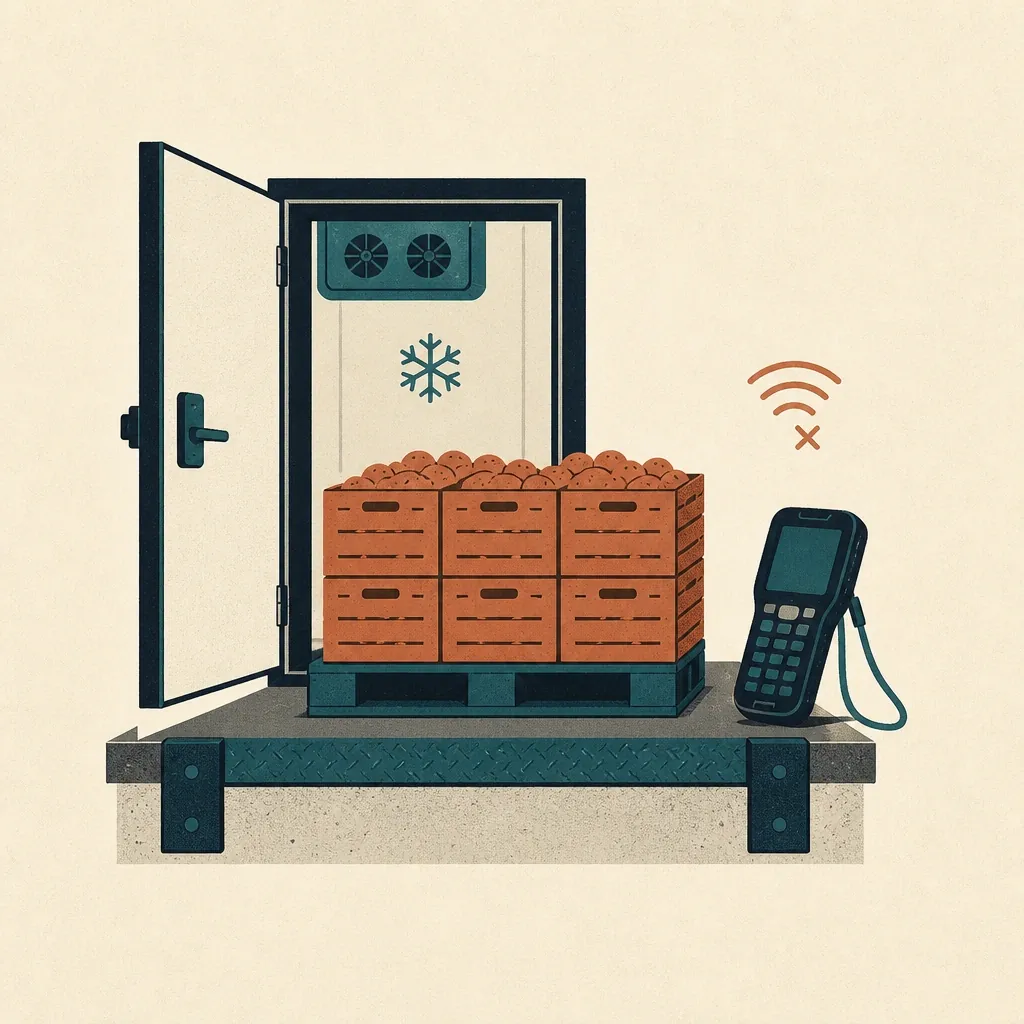
A goods-in capture that works on a cold loading bay with one hand and a poor signal.
-
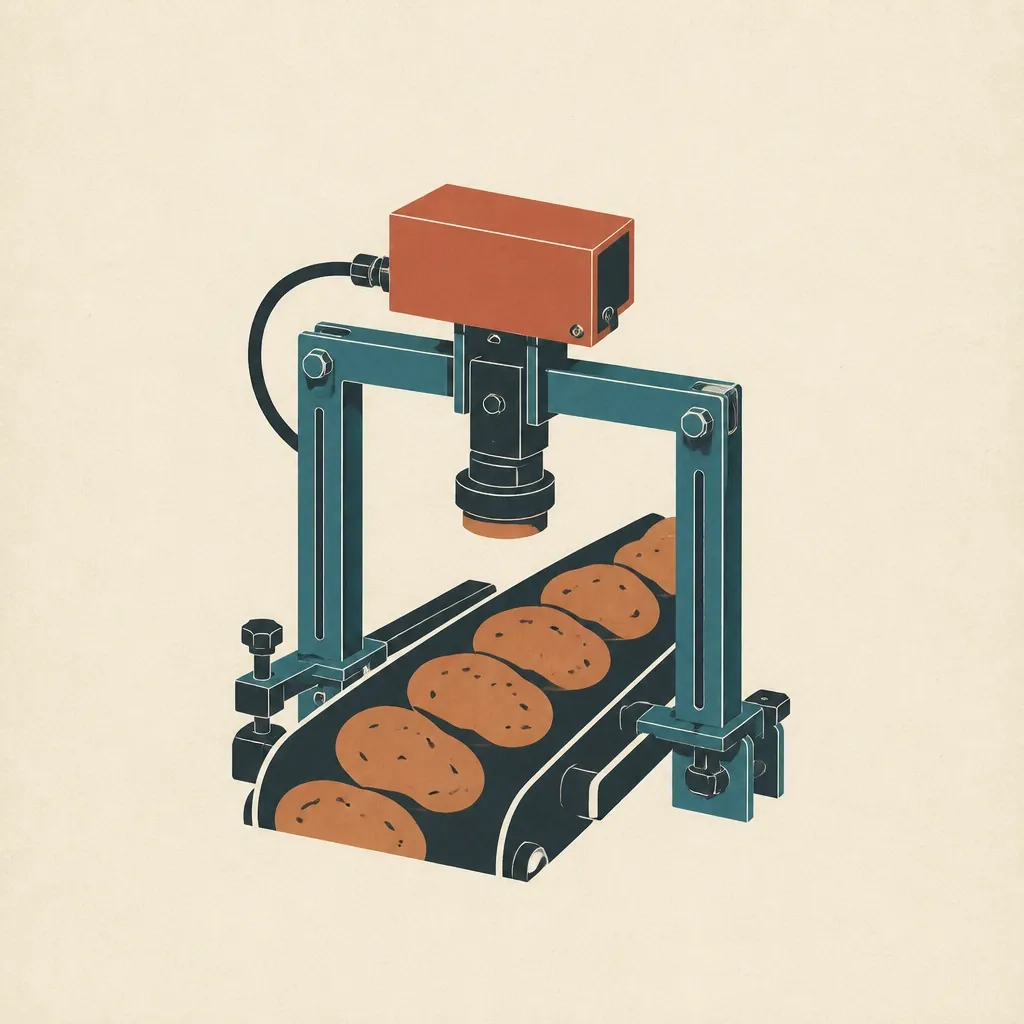
A reader we build and fit where no scanner exists, because the gap is usually physical rather than digital.
How you would know it worked
Numbers in your own reporting, not ours.
- Time to answer a trace request, forwards and backwards, which is the whole point.
- Share of incoming consignments with lot identity captured at goods-in.
- Supplier documents received in a form nobody has to retype.
Straight answers
Where a model is involved, it is scored against your own records first. Accuracy per source, not one flattering average.
The questions this raises
-

The deadline moved. Why act now?
Because the work is the record, not the date. Firms that can trace a lot in minutes get the benefit on ordinary days too, in shrink, in claims and in shelf life.
-

Our suppliers will never send structured data.
Most will not, and the design assumes that. A scan, a photograph and a PDF are all readable. The requirement is on us, not on them.
-

Does this replace our stock system?
No. It feeds it. The stock system stays where it is; what changes is that it learns what arrived before somebody types it in.
-

We trade outside the US. Does this apply?
The date is a US rule and we say so. Similar duties exist in other markets, and the underlying work of carrying lot identity is the same everywhere.
Where the figures come from
We did not make these up, and you should not take our word for them.
Every partner sends a different shape
The format belongs to them. The cost lands on you.
Documents arrive from outside in whatever shape the sender chose, and the sender changes it whenever their own system does. No vendor can ship this. The set of formats is specific to who you trade with, which is why it ends up as a script nobody owns.
- Banking & lendingFifty-five cents of every revenue dollar goes to running the bank
- HospitalityThe roster was set last Tuesday. The covers were not
- InsuranceA combined ratio above one hundred means underwriting lost money
- RetailShrink went from 1.4 to 1.6 percent, and the till already knew where
- Supply chainThe official inventory number arrives six weeks after the month it describes
Bordereaux, carrier files, supplier invoices, delivery notes. Whatever arrives in your inbox in nine shapes is the same job.Send us the messiest one you have.
A trace is a chain, and every weak link is a document somebody has to read by hand.
The build is a reader for whatever suppliers send, with lot identity carried end to end. Add a cold-bay capture, and a scanner we fit where none exists.
See everything we build-
 Software
 -
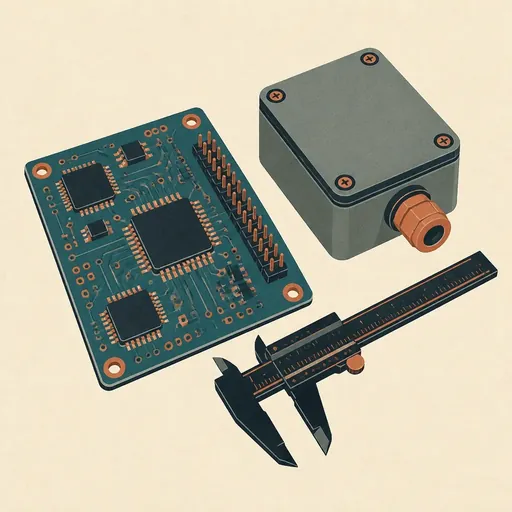 Hardware
 -
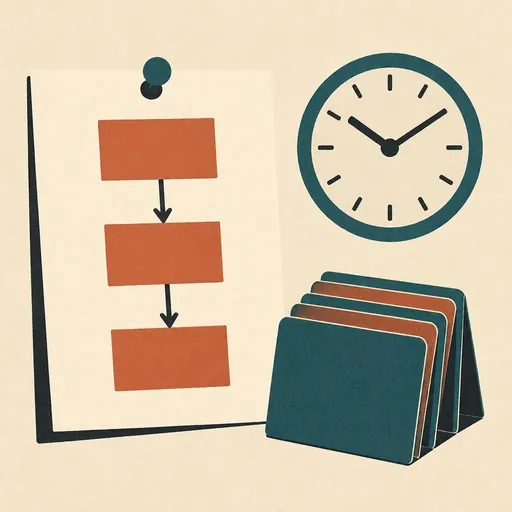 Ways of working
 -
 Whole ventures
Is this happening to you? Tell us the size of it.
Twenty minutes. We will tell you honestly whether the numbers justify doing anything about it.