


Seven months to a ruling, thirty-five months to a trial
Why does a matter run for three years when the work inside it took three weeks?
Figures and rules on this page apply to
United States
Working somewhere else? The shape of the problem usually travels. The deadlines do not.
What this looks like
Somebody asks where the matter stands. Finding out takes forty minutes. The pleadings are in the document system. The letters are in a mailbox and the dates are in a calendar. What happened last week is in the head of a person who is in court today. Nobody is being slow. The answer simply is not assembled anywhere.

The numbers
Every figure here is someone else’s. Check them.
- 34.8 momedian time from filing to trial in federal civil cases
- 6.9 momedian time from filing to disposition, which is most cases
- 554,550cases pending across the federal district courts
Why it happens
It is not a people problem.
A matter is not one thing. It is a stream of events that arrive from outside your firm and land in whatever system received them. The filing lands in the document store, the hearing date lands in a calendar, the opponent's letter lands in a mailbox. Nothing joins them, so the current state of the matter exists only when a person rebuilds it.
Why your current software has not fixed it
Because it was never built to.
Your practice management system is authoritative about the matter record. It cannot be authoritative about an email, because the email arrived somewhere else and was never told it belonged to a matter. Document systems index files, not events. Neither vendor is at fault. The join runs across products, which is the one place no product lives.
Intelligence, plumbed in
A letter from the other side is a matter event. No field in any system says so.
The build is a timeline that assembles itself, one matter view, time captured from the work, and a portal that answers the status question. Underneath it: a connector, one agreed meaning per field, and a test set scored on your own records.
How we make AI survive real data-
 Connectors
 -
 A semantic layer
 -
 Evals you can check
However hard, whatever it is
Matter visibility is one example. Bring the one you think is unsolvable.
We wrote this up because the court publishes the timings. If yours is conflicts, billing leakage or intake, we work it the same way.
-
 01
01 We sit with you
Days where the work happens, not a workshop in a meeting room. We watch the job get done and write down the shortcuts nobody wrote down.
-
 02
02 We read everything
Your data, your rules, your vendors and their documentation, and the published research on your sector. We report what is actually in there.
-
 03
03 We break it to first principles
Not which tool fixes this. What is actually causing it, taken apart until we reach the piece that cannot be divided further.
-
 04
04 Then we build
Weeks, not quarters. By this point we are not guessing what to build, and guessing is the thing that makes projects long.
What we build
Specific enough to argue with.
Four mechanisms, not four features. Each one is a thing that happens on its own, every day, whether or not anyone remembers to run it.
-

Letters, filings and dates read and attached to the right matter on arrival, so the timeline exists without anybody building it.
-
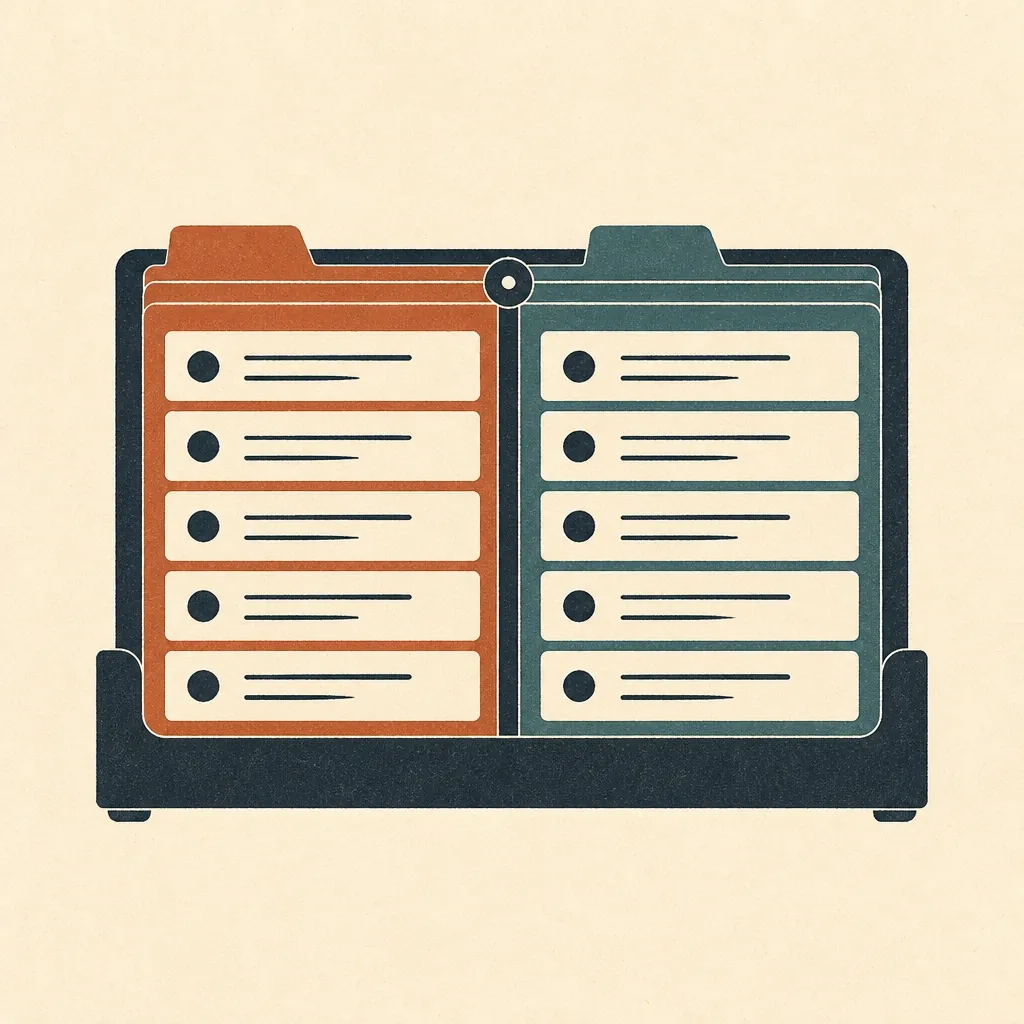
A matter view that answers what happened last and what is due next, in one screen rather than four.
-

Time captured from the work itself and offered for approval, because recalling Tuesday on Friday is where the hours go missing.
-
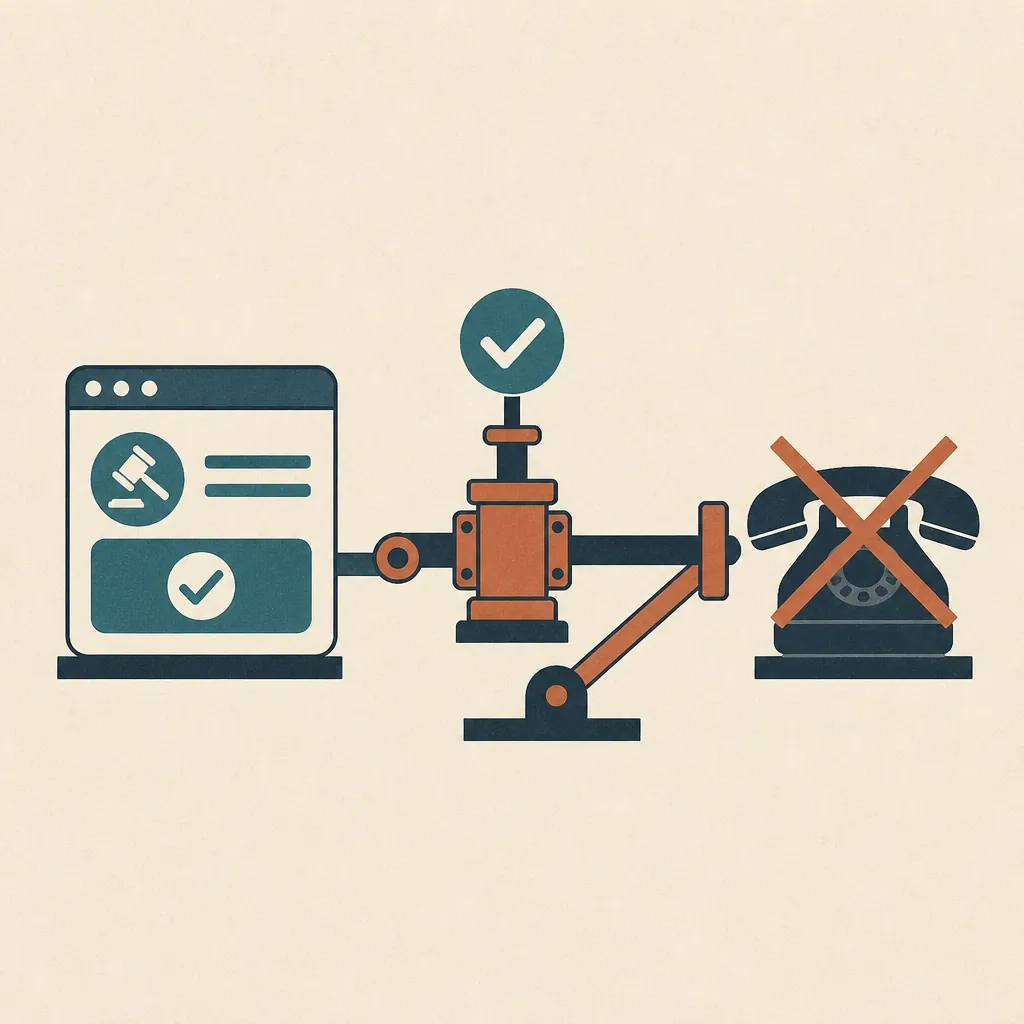
A client portal that answers the status question directly, which removes the call rather than handling it faster.
How you would know it worked
Numbers in your own reporting, not ours.
- Minutes to answer where a matter stands, which is the honest version of this problem.
- Share of recorded time entered on the day the work happened.
- Age profile of open matters, since the three-year tail is where cost concentrates.
Straight answers
Where a model is involved, it is scored against your own records first. Accuracy per source, not one flattering average.
The questions this raises
-
We already have a practice management system. Why is this separate?
It is not separate. It reads that system and writes back to it. The gap is everything that arrives by email or post, which the system was never sent.
-
Does this decide anything legal?
No. It assembles and it proposes. A lawyer reviews every classification before it counts, and nothing is filed or sent by a machine.
-

Client secrecy is the whole business. How is that handled?
Matter separation and access control are designed in first, never added after. We walk your risk partner through exactly where data sits before anything is built.
-
Are these figures ours?
No. They are federal district court figures and we say so. Your own mix will differ, which is why we measure your matters before claiming a number.
Where the figures come from
We did not make these up, and you should not take our word for them.
Unstructured text with a clock already running
It arrived as prose, and the countdown started on arrival.
A fax, an email, a filing. Nothing about it is structured, and something expensive happens if it is not acted on in time. The clock starts whether or not anybody has read it yet.
- Physician groupsIn January 2027 prior authorisation gets an API. Almost nobody is ready.
- Real estateFive minutes against thirty is a twenty-one times difference
A fax, a portal email, a filing. The medium changes and the clock does not. If something expensive happens when you are late, this is yours.Tell us what you are racing.
The state of a matter is not stored anywhere. It is rebuilt by a person each time.
The build is a timeline that assembles itself, one matter view, time captured from the work, and a portal that answers the status question.
See everything we build-
 Software
 -
 Hardware
 -
 Ways of working
 -
 Whole ventures
Is this happening to you? Tell us the size of it.
Twenty minutes. We will tell you honestly whether the numbers justify doing anything about it.