

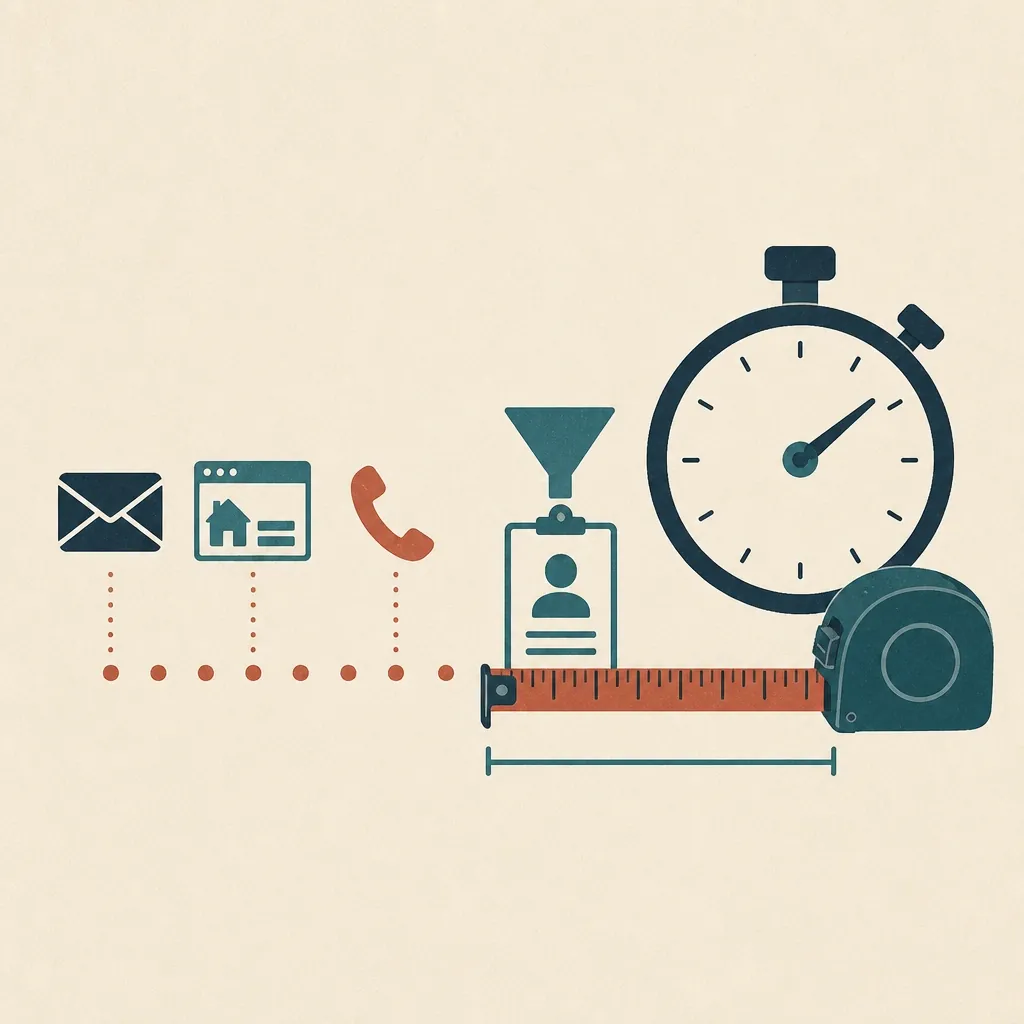
Five minutes against thirty is a twenty-one times difference
How much does lead response time actually change our conversion?
Figures and rules on this page apply to
United States
Working somewhere else? The shape of the problem usually travels. The deadlines do not.
What this looks like
The enquiry arrives at 9:04 on a Saturday. It lands in a shared inbox, or a portal that only emails, or a phone nobody is holding. Somebody opens it at 11:30 and calls a person who has already spoken to two other agents. Nothing in that chain was anybody's fault, and the lead was lost at about 9:09.

The numbers
Every figure here is someone else’s. Check them.
- 21xmore likely to qualify when contacted within five minutes rather than thirty
- 100xdrop in the odds of making contact at all, at thirty minutes versus five
- 42 hoursaverage first response across 2,241 companies audited
- 15,000+leads and over 100,000 call attempts behind the original study
Why it happens
It is not a people problem.
Speed is an architecture problem wearing a staffing costume. Nobody is slow on purpose; the enquiry simply has to cross a boundary no system owns. A portal emails, an inbox holds, a person opens, a CRM records. Every boundary adds minutes, and the study says minutes are the whole game.
Why your current software has not fixed it
Because it was never built to.
Your CRM measures from the moment the lead is IN the CRM, which is after the slow part has already happened. It cannot see the inbox, the portal that sends no data, or the missed call. So the dashboard shows a respectable response time while the real clock started an hour earlier. The tool is not wrong; it is measuring from the wrong instant.
Intelligence, plumbed in
A portal that only sends email is unstructured text with a deadline on it.
The build is a reader for every source including email-only portals, one honest clock, and a board showing which portal actually pays. Underneath it: a connector, one agreed meaning per field, and a test set scored on your own records.
How we make AI survive real data-
 Connectors
 -
 A semantic layer
 -
 Evals you can check
However hard, whatever it is
Lead response is one example. Bring whatever is losing you deals.
This page is about the first five minutes. If yours is site handover, collections or a developer who will not share data, the method does not change.
-
 01
01 We sit with you
Days where the work happens, not a workshop in a meeting room. We watch the job get done and write down the shortcuts nobody wrote down.
-
 02
02 We read everything
Your data, your rules, your vendors and their documentation, and the published research on your sector. We report what is actually in there.
-
 03
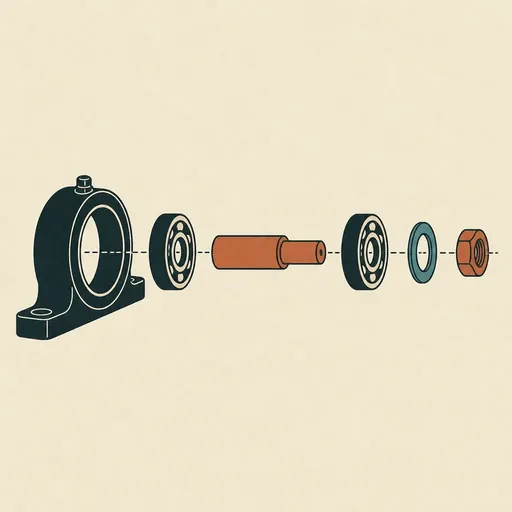
03 We break it to first principles
Not which tool fixes this. What is actually causing it, taken apart until we reach the piece that cannot be divided further.
-
 04
04 Then we build
Weeks, not quarters. By this point we are not guessing what to build, and guessing is the thing that makes projects long.
What we build
Specific enough to argue with.
Four mechanisms, not four features. Each one is a thing that happens on its own, every day, whether or not anyone remembers to run it.
-

Every source read the moment it arrives, including portals that only send email and calls that were never answered.
-
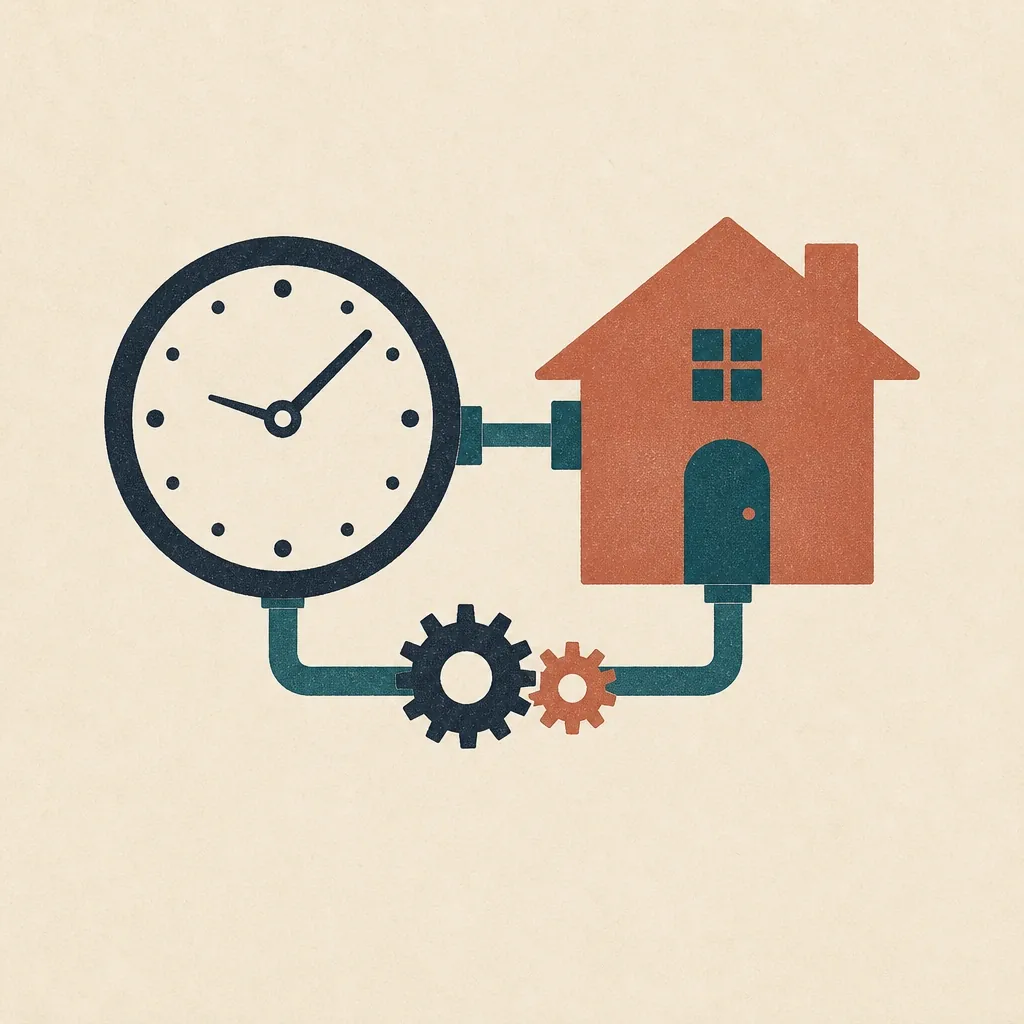
One clock that starts when the ENQUIRY happened, not when the record was created, so the number on the dashboard is the number that matters.
-
An immediate acknowledgement that a person can take over, sent within the window the study is about.
-
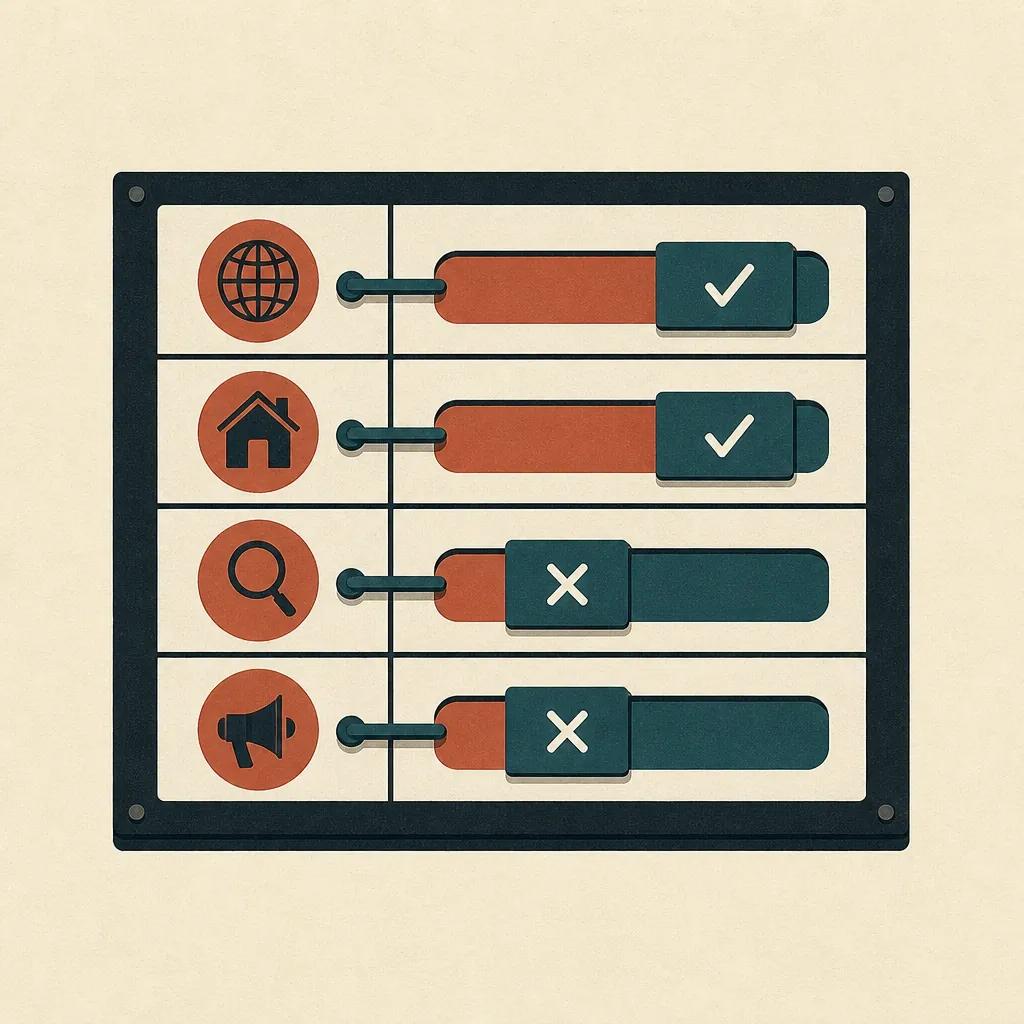
A board showing which portal actually converts, so spend follows outcomes rather than volume.
How you would know it worked
Numbers in your own reporting, not ours.
- Median minutes from enquiry to first human contact, measured from arrival rather than from record creation.
- Share of enquiries first contacted inside five minutes.
- Conversion by source, so a portal can be cut on evidence.
Straight answers
Where a model is involved, it is scored against your own records first. Accuracy per source, not one flattering average.
The questions this raises
-
Our CRM already reports response time. Why would this differ?
Because it starts its clock when the record appears. If the lead sat in an inbox for an hour first, that hour is invisible. We time from arrival, which usually moves the number a lot.
-

Some of our portals will not give us a data feed.
Then we read the email they do send. A portal that only emails is still a lead source, and parsing it reliably is ordinary work.
-

Is an automated first reply not worse than a real one?
A holding reply inside five minutes followed by a person is better than a person at ninety. The study is about contact odds, and those collapse long before your team gets to it.
-

We are outside the US. Does this apply?
The figures are US studies and we say so. The mechanism is not country-specific, but we would measure your own clock before claiming a number for you.
Where the figures come from
We did not make these up, and you should not take our word for them.
Unstructured text with a clock already running
It arrived as prose, and the countdown started on arrival.
A fax, an email, a filing. Nothing about it is structured, and something expensive happens if it is not acted on in time. The clock starts whether or not anybody has read it yet.
- LegalSeven months to a ruling, thirty-five months to a trial
- Physician groupsIn January 2027 prior authorisation gets an API. Almost nobody is ready.
A fax, a portal email, a filing. The medium changes and the clock does not. If something expensive happens when you are late, this is yours.Tell us what you are racing.
The clock starts when the enquiry lands, not when the record appears.
The build is a reader for every source including email-only portals, one honest clock, and a board showing which portal actually pays.
See everything we build-
 Software
 -
 Hardware
 -
 Ways of working
 -
 Whole ventures
Is this happening to you? Tell us the size of it.
Twenty minutes. We will tell you honestly whether the numbers justify doing anything about it.