

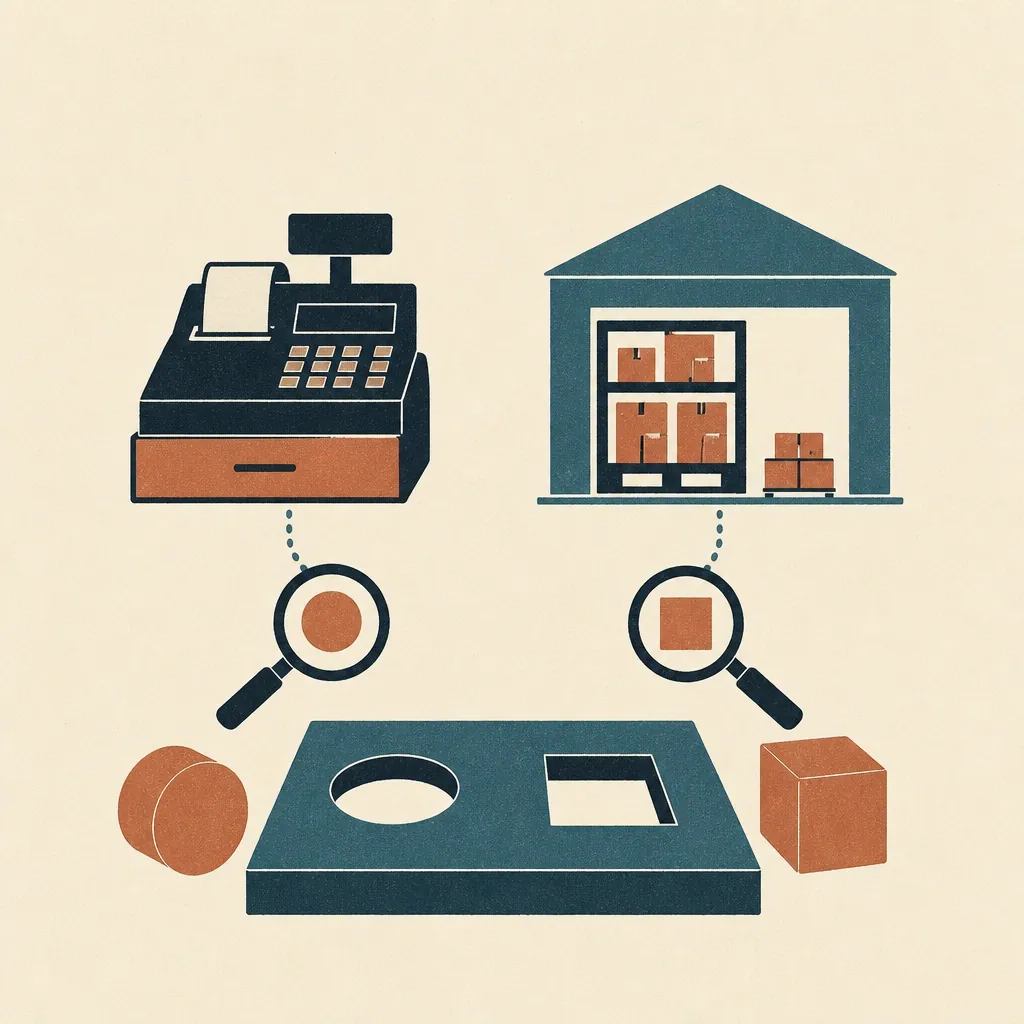
Shrink went from 1.4 to 1.6 percent, and the till already knew where
Where is our shrink actually happening, and why can we not see it?
Figures and rules on this page apply to
United States
Working somewhere else? The shape of the problem usually travels. The deadlines do not.
What this looks like
The annual count comes in and the number is worse. Nobody can say which stores, which hours or which aisles, so the response is a policy that applies everywhere: more audits, tighter returns, a memo. The stores that were fine absorb the cost of the stores that were not. Next year the number moves again, for reasons nobody can name.
The numbers
Every figure here is someone else’s. Check them.
- $112.1Btotal industry losses at that rate
- $94.5Bthe equivalent figure a year earlier, up from $90.8 billion the year before that
- 0.2 ptsthe annual move, which on this base is worth roughly eighteen billion dollars
Why it happens
It is not a people problem.
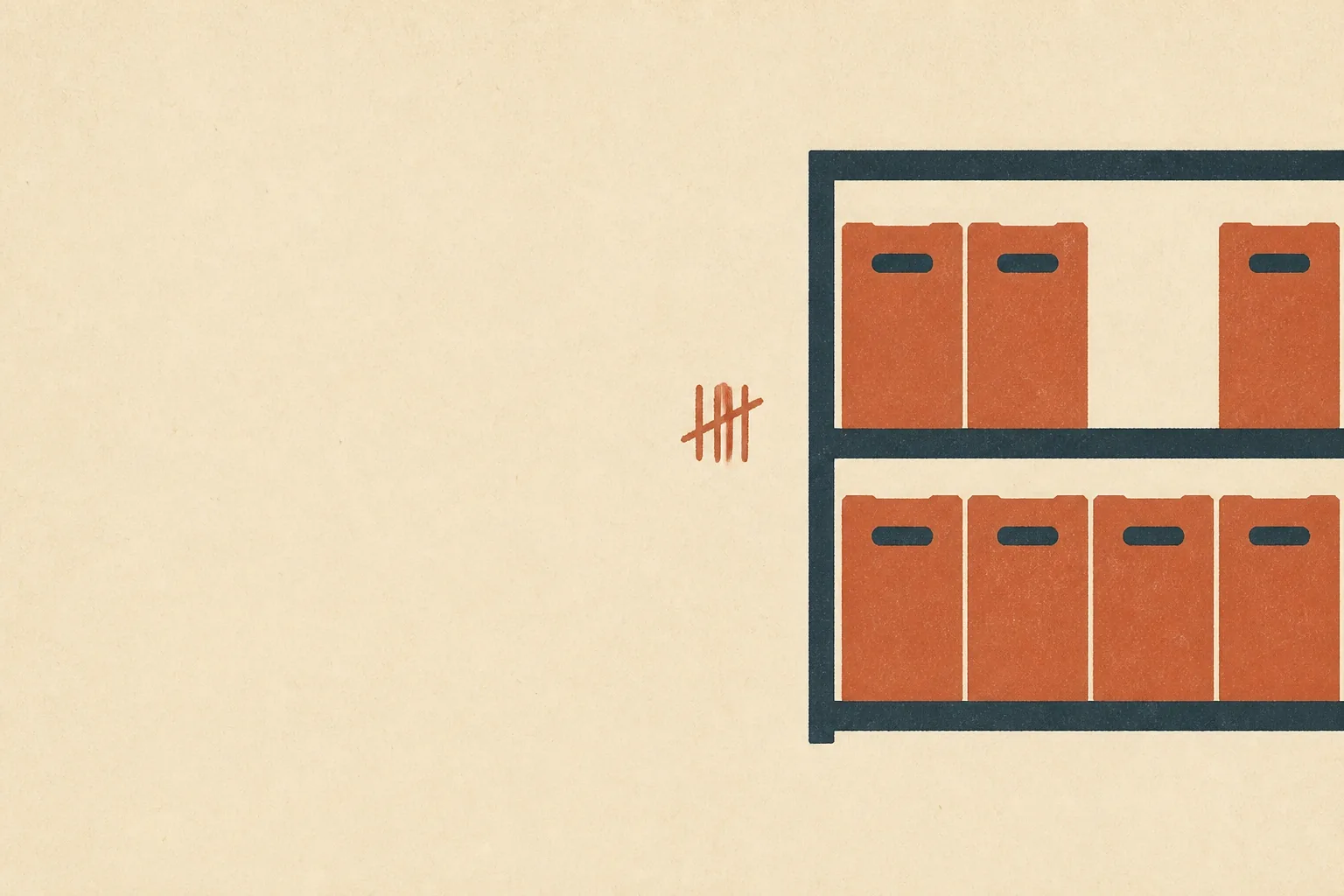
Shrink is a difference between two numbers, and the two numbers live in different systems that are reconciled once a year. By the time the difference is known, the events that caused it are eleven months old and untraceable. The problem is not that nobody is counting. It is that counting happens at a cadence that cannot locate anything.
Why your current software has not fixed it
Because it was never built to.
Your point of sale records transactions precisely, your warehouse system records movements precisely, and neither was built to be the other's control total. Loss prevention products sit on top of one of them and infer the rest. Nobody sells the reconciliation because it is specific to the pair of systems you happen to run, and that pair is different in every retailer.
Intelligence, plumbed in
Supplier catalogues and delivery notes arrive in nine formats. All of them are readable.
The build is a continuous reconciliation between till and stock, shrink attributed to store and day part, and a ten-minute count. Underneath it: a connector, one agreed meaning per field, and a test set scored on your own records.
How we make AI survive real data-
 Connectors
 -
 A semantic layer
 -
 Evals you can check
However hard, whatever it is
Shrink is one example. Bring the number nobody can explain.
We wrote this up because the survey data makes it checkable. If yours is returns, ranging or availability, the method does not change.
-
 01
01 We sit with you
Days where the work happens, not a workshop in a meeting room. We watch the job get done and write down the shortcuts nobody wrote down.
-
 02
02 We read everything
Your data, your rules, your vendors and their documentation, and the published research on your sector. We report what is actually in there.
-
 03
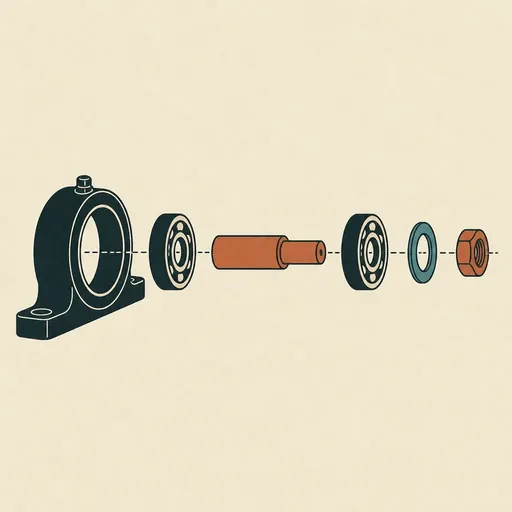
03 We break it to first principles
Not which tool fixes this. What is actually causing it, taken apart until we reach the piece that cannot be divided further.
-
 04
04 Then we build
Weeks, not quarters. By this point we are not guessing what to build, and guessing is the thing that makes projects long.
What we build
Specific enough to argue with.
Four mechanisms, not four features. Each one is a thing that happens on its own, every day, whether or not anyone remembers to run it.
-
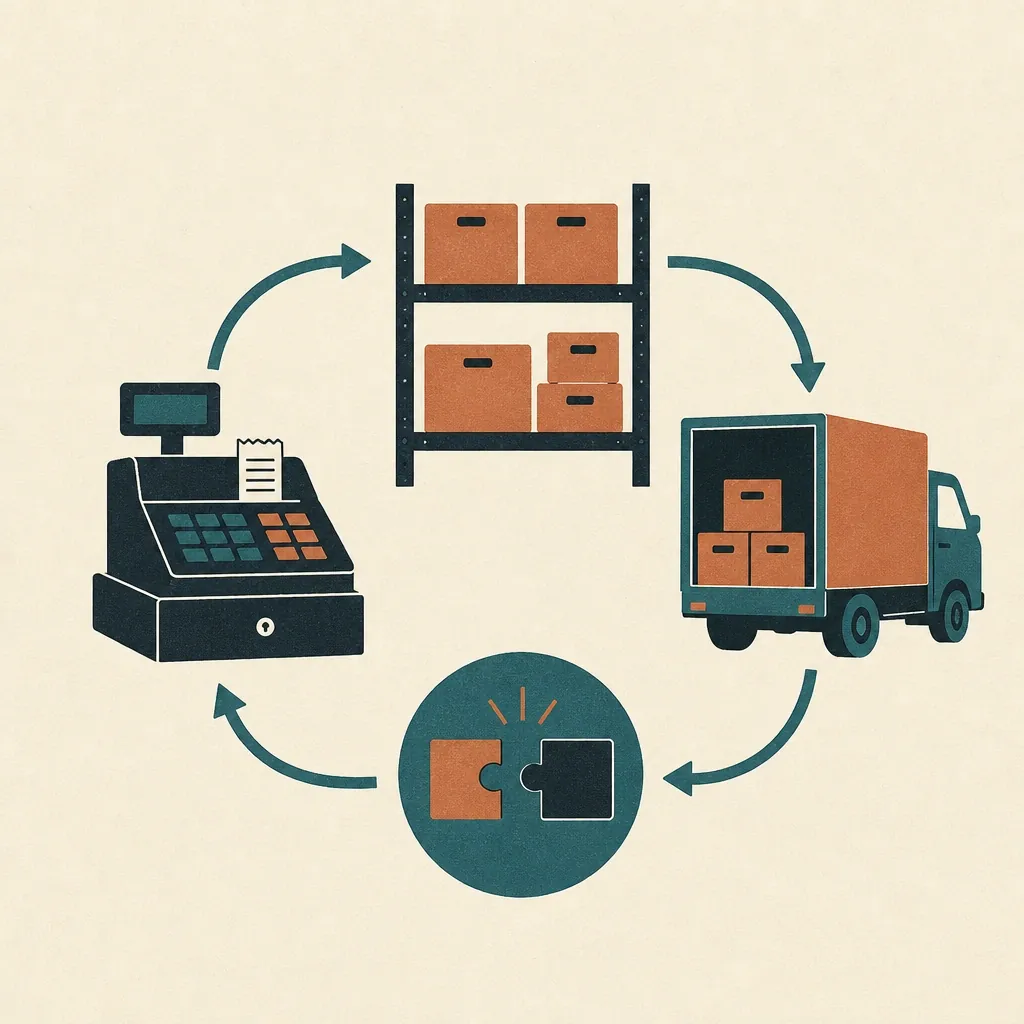
A continuous reconciliation between till, stock movements and deliveries, so a gap surfaces in days rather than at the annual count.
-

Shrink attributed to a store, a day part and a category, because a number with no location cannot be acted on.
-

A count that a store colleague can complete in ten minutes on a device, so it happens often enough to be useful.
-
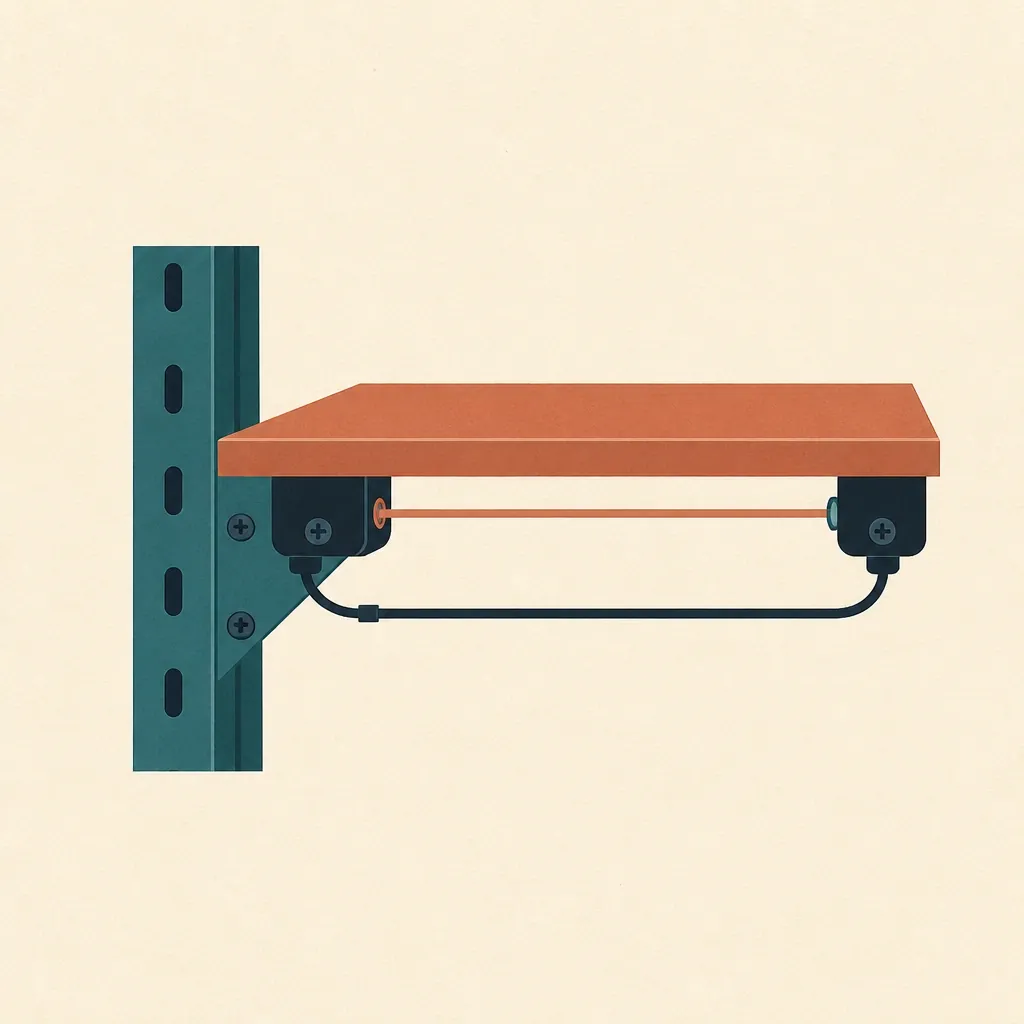
A shelf sensor where nothing currently counts the thing at all, built by us when no off-the-shelf unit fits.
How you would know it worked
Numbers in your own reporting, not ours.
- Days from an unexplained variance occurring to somebody seeing it.
- Share of shrink attributable to a named store and category, rather than sitting in an unallocated pool.
- Count frequency per store, which is the input that makes everything else possible.
Straight answers
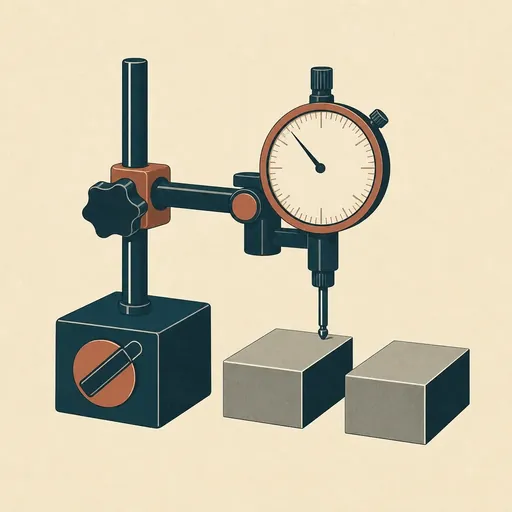
Where a model is involved, it is scored against your own records first. Accuracy per source, not one flattering average.
The questions this raises
-

We already have loss prevention software. Where does this fit?
Underneath it. Loss prevention is good at investigating a suspected event. This is about knowing which events to suspect, which needs the till and the warehouse reconciled continuously.
-

Our stores will not do more counts.
They will not do more of the counts they have now, and they are right. A count that takes ten minutes on a phone is a different proposition from a count that takes a shift.
-

Does this need new hardware?
Usually not. Where a category is genuinely counted by nothing, we will say so and build the sensor. We would rather exhaust what your systems know first.
-

How is this different from a better annual stocktake?
Cadence. An annual number tells you the size of the problem. A weekly one tells you where it is, which is the only version anybody can act on.
Where the figures come from
We did not make these up, and you should not take our word for them.
Every partner sends a different shape
The format belongs to them. The cost lands on you.
Documents arrive from outside in whatever shape the sender chose, and the sender changes it whenever their own system does. No vendor can ship this. The set of formats is specific to who you trade with, which is why it ends up as a script nobody owns.
- Agriculture & foodThe traceability deadline moved to 2028, and nothing else changed
- Banking & lendingFifty-five cents of every revenue dollar goes to running the bank
- HospitalityThe roster was set last Tuesday. The covers were not
- InsuranceA combined ratio above one hundred means underwriting lost money
- Supply chainThe official inventory number arrives six weeks after the month it describes
Bordereaux, carrier files, supplier invoices, delivery notes. Whatever arrives in your inbox in nine shapes is the same job.Send us the messiest one you have.
Shrink is a difference between two systems nobody reconciles until year end.
The build is a continuous reconciliation between till and stock, shrink attributed to store and day part, and a ten-minute count.
See everything we build-
 Software
 -
 Hardware
 -
 Ways of working
 -
 Whole ventures
Is this happening to you? Tell us the size of it.
Twenty minutes. We will tell you honestly whether the numbers justify doing anything about it.