

Senior living & assisted living
Nobody wants a sixth dashboard
We have bought the fall-detection technology. Why has nothing got easier?
Figures and rules on this page apply to
United States
Working somewhere else? The shape of the problem usually travels. The deadlines do not.
What this looks like
A resident falls. The information exists somewhere. It is in the nurse-call log, or the wearable, or the ceiling sensor, or the camera, and each of those has a different login. By the time anyone has pieced together what happened, the shift has changed and the useful part of the story is gone.
The numbers
Every figure here is someone else’s. Check them.
- $10,900average cost of a single fall in assisted living, up 107% since 2022
- 5completely different systems operators run across one continuum of care
- >$50BUS annual medical spend on falls
- $9,300average cost of a fall in memory care, up 77% since 2022
Why it happens
It is not a people problem.
You did not buy badly. Each device was the right answer to the question in front of you at the time. But every vendor ships a dashboard, because that is how they prove their worth. Nobody sold you the thing that sits above all of them. So the integration work landed on your staff, unpaid and unplanned.
Why your current software has not fixed it
Because it was never built to.
A sensor company's job is to sell sensors. Building a layer that treats a rival's device as equal works against them. Doing it well would also slow the product they are judged on. Operators say this themselves: integration is the area most in need of improvement. The hardware market is crowded. The layer above it is not.
Intelligence, plumbed in
Nurse call logs are events. Nothing turns them into a risk picture.
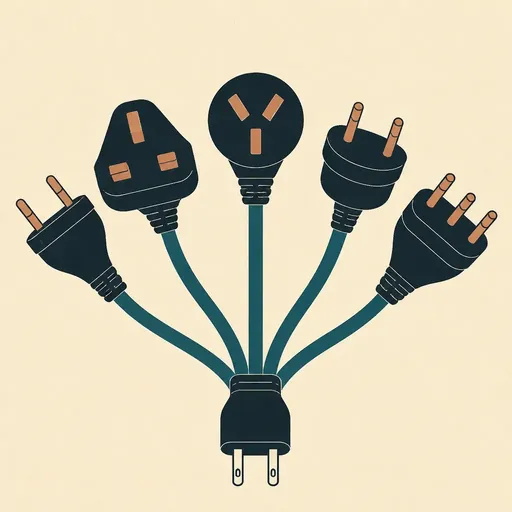
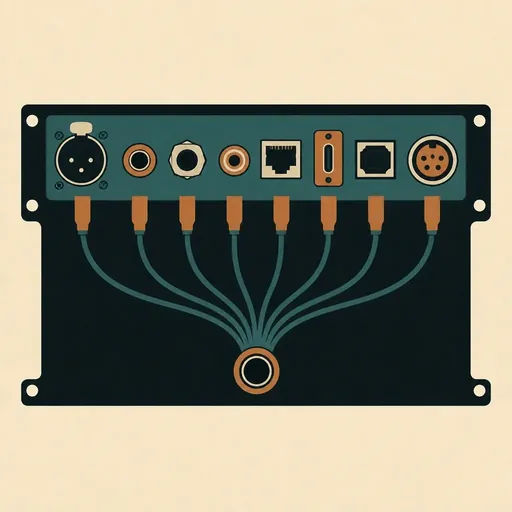
The build is one view across the panels you own, plus a floor screen for the night staff. And our own sensor where yours says nothing useful. Underneath it: a connector, one agreed meaning per field, and a test set scored on your own records.
How we make AI survive real data-
 Connectors
 -
 A semantic layer
 -
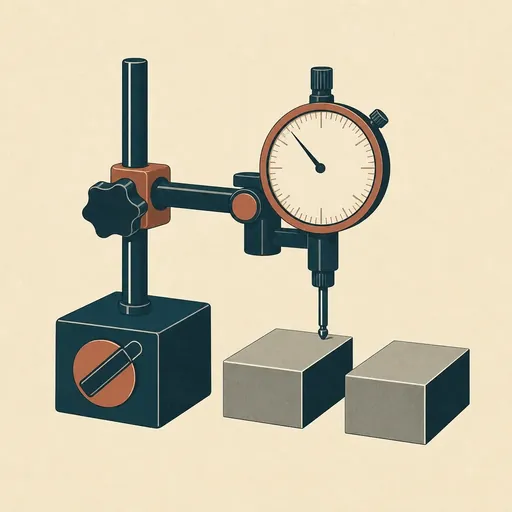 Evals you can check
However hard, whatever it is
Dashboards are one example. Bring the real operational worry.
Dashboards are the symptom people describe. What they usually mean is that nobody can see tonight clearly, and that takes a different fix.
-
 01
01 We sit with you
Days where the work happens, not a workshop in a meeting room. We watch the job get done and write down the shortcuts nobody wrote down.
-
 02
02 We read everything
Your data, your rules, your vendors and their documentation, and the published research on your sector. We report what is actually in there.
-
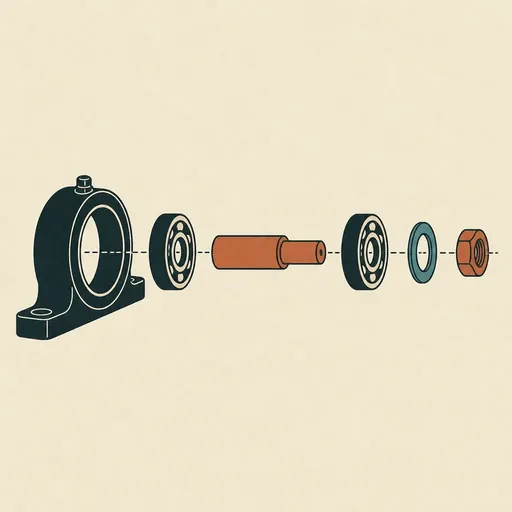 03
03 We break it to first principles
Not which tool fixes this. What is actually causing it, taken apart until we reach the piece that cannot be divided further.
-
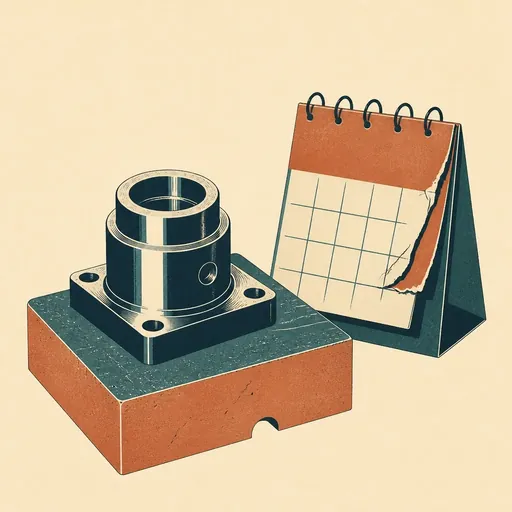 04
04 Then we build
Weeks, not quarters. By this point we are not guessing what to build, and guessing is the thing that makes projects long.
What we build
Specific enough to argue with.
Four mechanisms, not four features. Each one is a thing that happens on its own, every day, whether or not anyone remembers to run it.
-
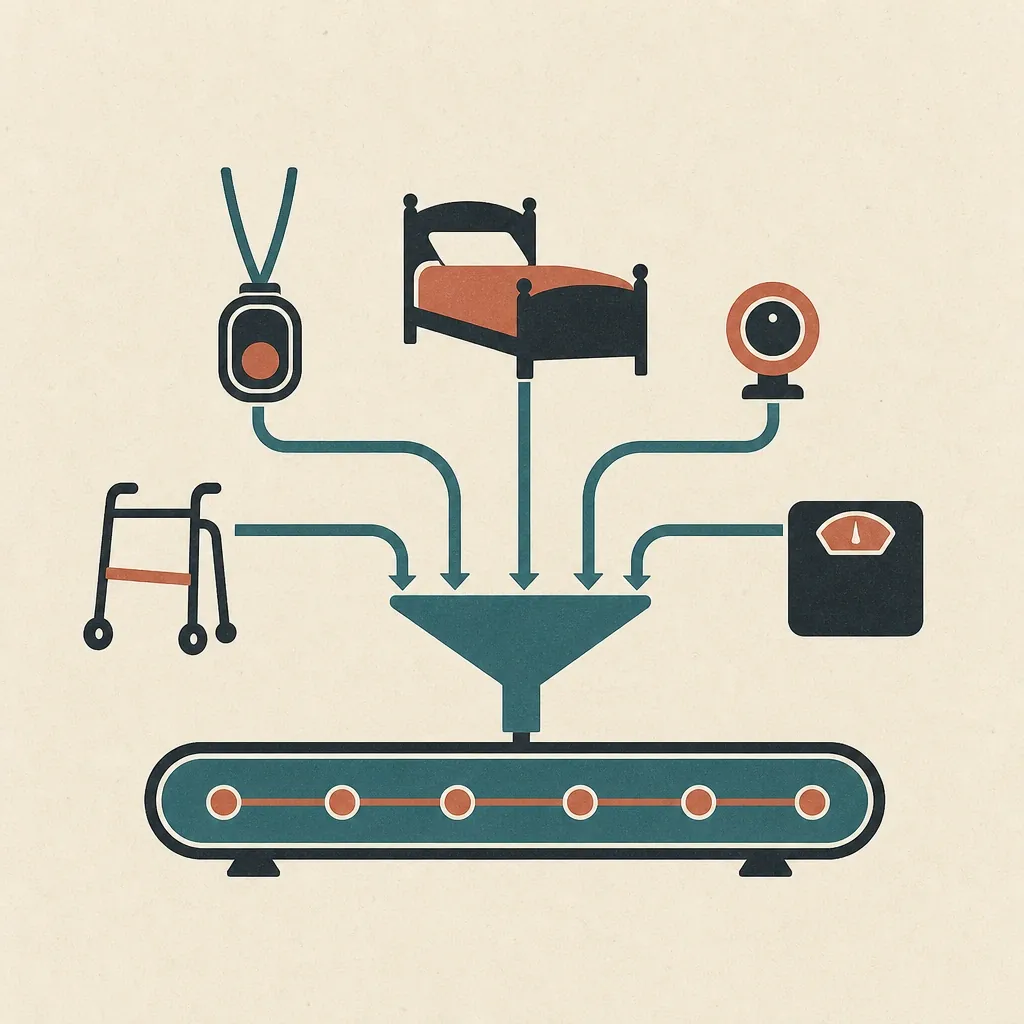
One feed from every device you already own, whoever made it, into a single timeline per resident.
-
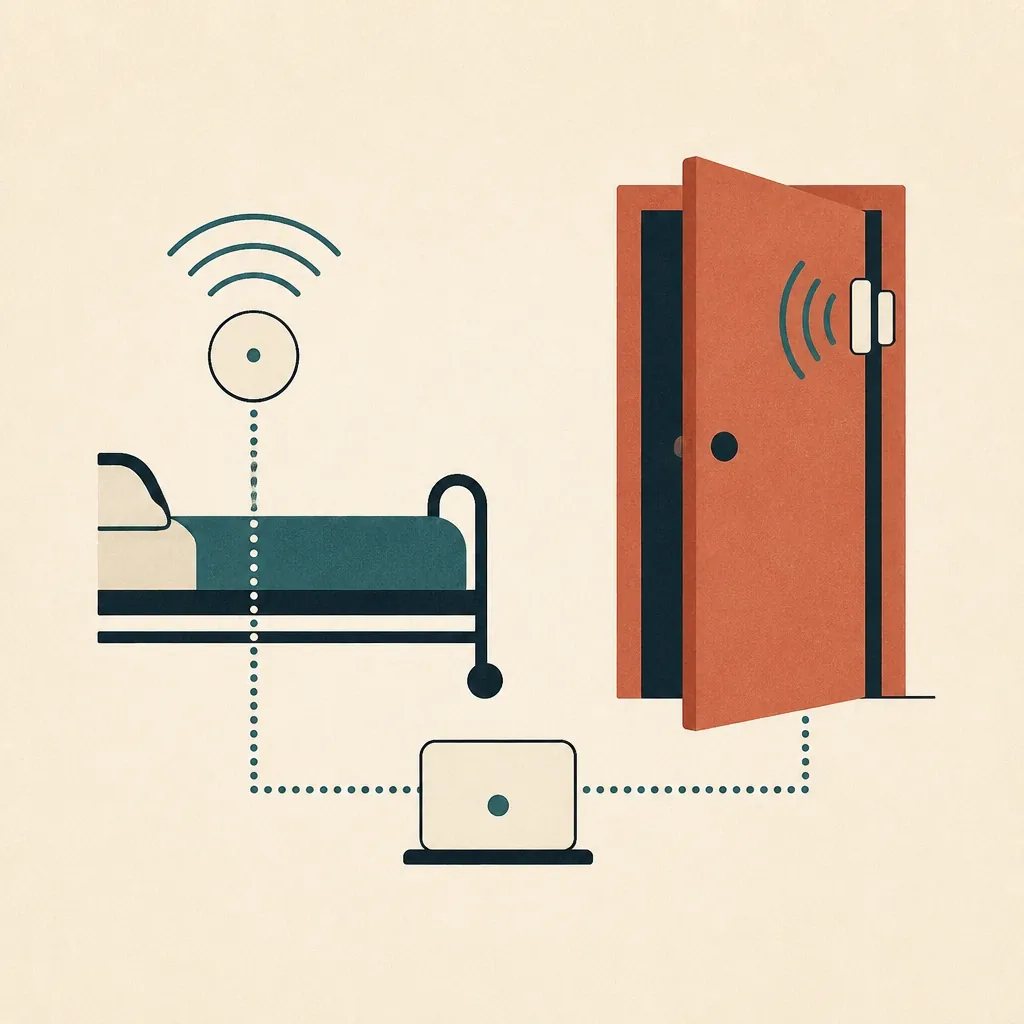
Events and observations reported plainly: a resident has not moved in forty minutes, a door opened at 2am. We leave the clinical judgement to your clinicians.
-
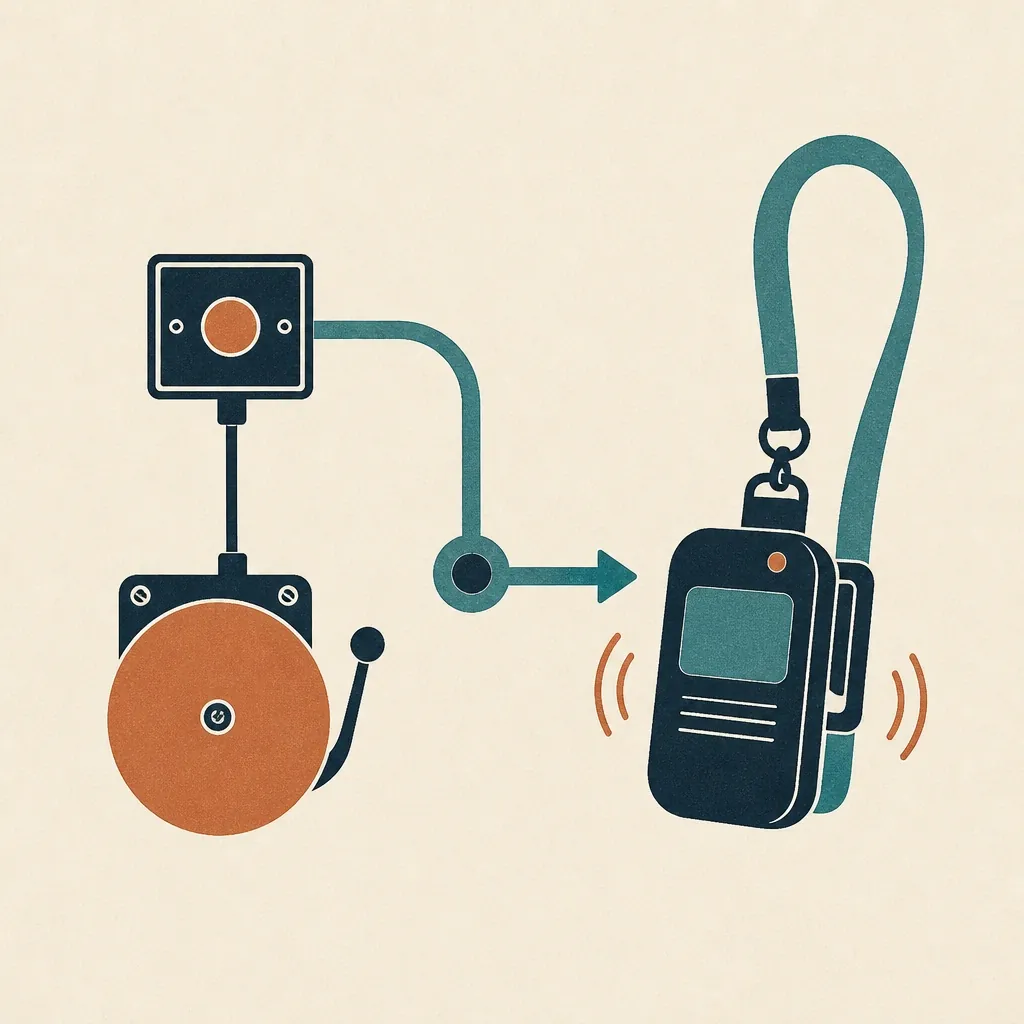
Alerts routed to the person on shift now, not to a screen nobody is watching.
-
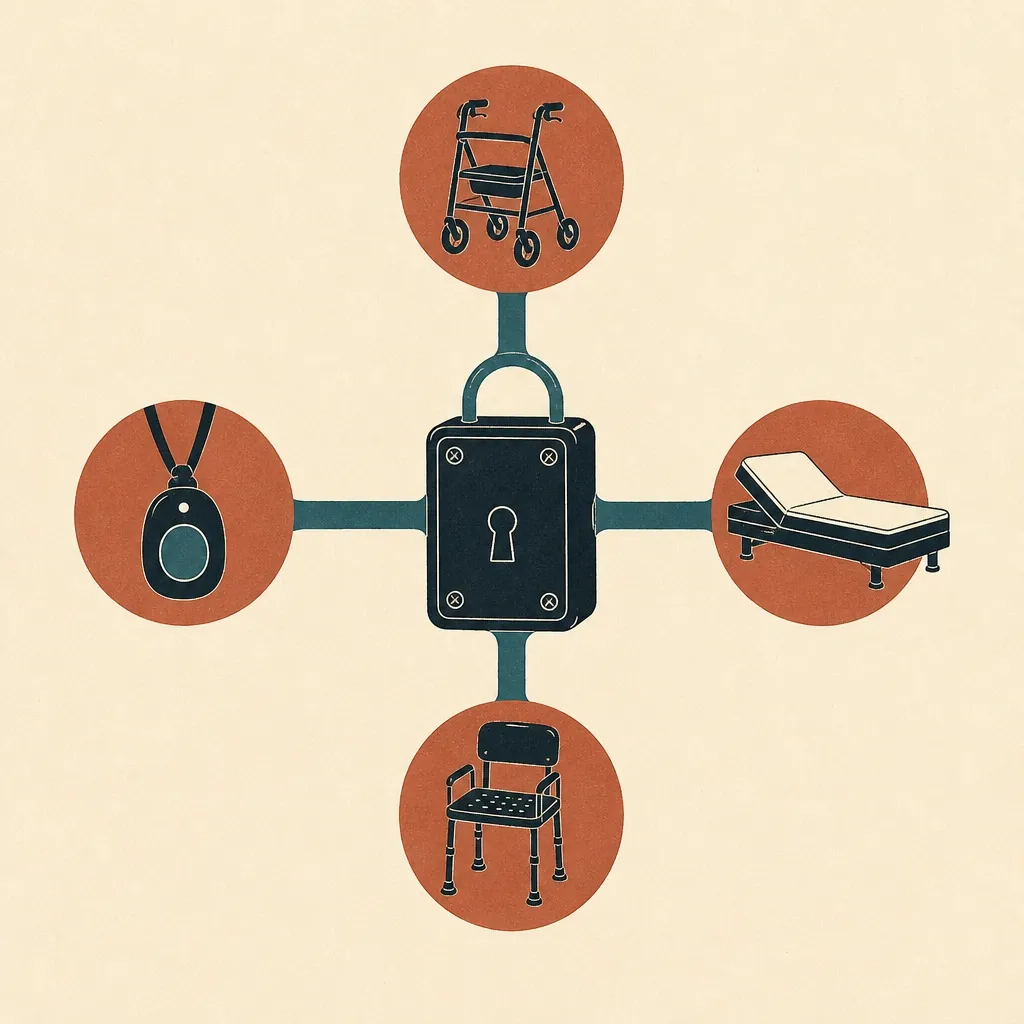
New devices added as feeds, so the next purchase does not mean a sixth login.
How you would know it worked
Numbers in your own reporting, not ours.
- Time from event to a member of staff knowing about it.
- Falls with a full timeline behind them, rather than a story pieced together later.
- Number of separate systems a care lead has to open in a shift.
Straight answers
Where a model is involved, it is scored against your own records first. Accuracy per source, not one flattering average.
The questions this raises
-
Do you sell the sensors?
No, and we would rather not. It means we can tell you honestly when a device you already own is good enough. It also makes every sensor vendor a partner rather than a rival.
-
Is this a medical device?
No. We report what happened and leave conclusions to clinicians. That line keeps it a wellness product rather than a regulated device. We hold to it in the software and in what we claim.
-

What if we add a new vendor next year?
Then it becomes another feed. That is the whole point of building the layer rather than another dashboard.
Where the figures come from
We did not make these up, and you should not take our word for them.
The meaning is not in any schema
Two systems agree on the field and disagree on what it means.
The rule lives in a document, or in what one site has always called something, or in a habit nobody wrote down. Joining the data is the easy half; agreeing what it means is the half that is actually the work.
- Behavioral healthOne in four facilities still run on paper, and there is a reason
- Accounting & consultingAn eight-hundred-billion-dollar quarter built on hours recalled from memory
- Skilled nursingEvery building reports. Nobody can see the portfolio.
Consent rules, site vocabulary, what an hour counts as. Wherever two systems agree on a field and not on what it means.Describe the disagreement.
Six dashboards is a hardware problem wearing software clothes.
The build is one view across the panels you own, plus a floor screen for the night staff. And our own sensor where yours says nothing useful.
See everything we build-
 Software
 -
 Hardware
 -
 Ways of working
 -
 Whole ventures
Is this happening to you? Tell us the size of it.
Twenty minutes. We will tell you honestly whether the numbers justify doing anything about it.