

Senior living & assisted living
One in four residents falls each year, and the warning was in the logs
Can we see which residents are at risk before the fall, not after it?
Figures and rules on this page apply to
United States
Working somewhere else? The shape of the problem usually travels. The deadlines do not.
What this looks like
The incident report gets written and it is accurate. Somebody fell at 3am on the way to the bathroom. What the report cannot say is the rest. The same resident pressed the call button at night four times that week. Their care notes mentioned unsteadiness twice. Their medication changed nine days ago. Each of those lives in a different system, and nobody joined them while there was still time.
The numbers
Every figure here is someone else’s. Check them.
- 43,000+deaths from falls among adults 65 and over in 2024, the leading cause of injury death for that group
- 4.5Memergency department visits for older adult falls in 2024
- $80Bannual medical cost of older adult falls
- 1.2Mhospital stays a year, including roughly 319,000 for hip fractures
Why it happens
It is not a people problem.
A fall is rarely the first event. It is the last one in a sequence recorded in pieces. The nurse call panel logged the presses, the care record holds the notes, and the medication system knows what changed. Each piece is unremarkable alone, which is exactly why nobody escalates on it. The pattern only exists when the pieces are put side by side, and nothing puts them side by side.
Why your current software has not fixed it
Because it was never built to.
Your clinical record is built around the resident, your nurse call system around the event, and your property system around the unit. All three are good at their own job. None was designed to be the place where the other two are compared. No vendor can sell that comparison either, because it depends on which three systems you happen to own. That is a market shape, not a failure of any product.
Intelligence, plumbed in
The signal that precedes a fall is written in a care note, not stored in a field.
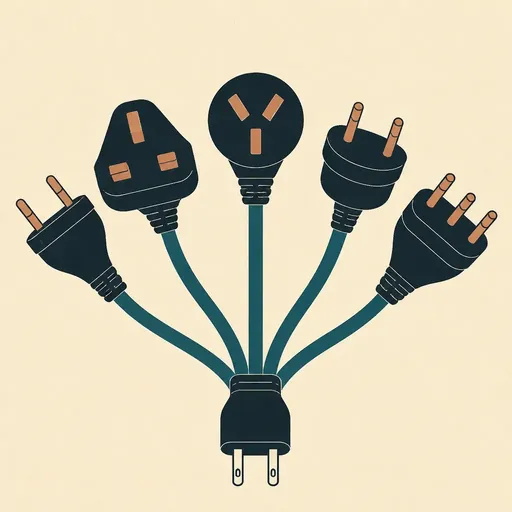
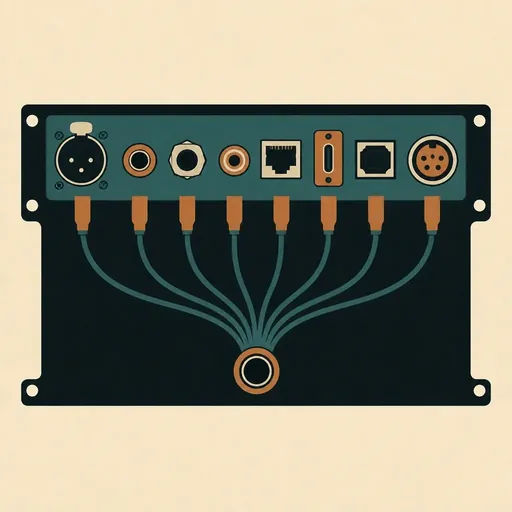
The build is one resident identity across clinical, call and property systems, a night-shift screen, and a wearable button where the panel cannot reach. Underneath it: a connector, one agreed meaning per field, and a test set scored on your own records.
How we make AI survive real data-
 Connectors
 -
 A semantic layer
 -
 Evals you can check
However hard, whatever it is
Falls are one example. Bring the thing that worries you at night.
We wrote this up because CDC data makes it checkable. If yours is occupancy, agency cover or move-in, the method does not change.
-
 01
01 We sit with you
Days where the work happens, not a workshop in a meeting room. We watch the job get done and write down the shortcuts nobody wrote down.
-
 02
02 We read everything
Your data, your rules, your vendors and their documentation, and the published research on your sector. We report what is actually in there.
-
 03
03 We break it to first principles
Not which tool fixes this. What is actually causing it, taken apart until we reach the piece that cannot be divided further.
-
 04
04 Then we build
Weeks, not quarters. By this point we are not guessing what to build, and guessing is the thing that makes projects long.
What we build
Specific enough to argue with.
Four mechanisms, not four features. Each one is a thing that happens on its own, every day, whether or not anyone remembers to run it.
-
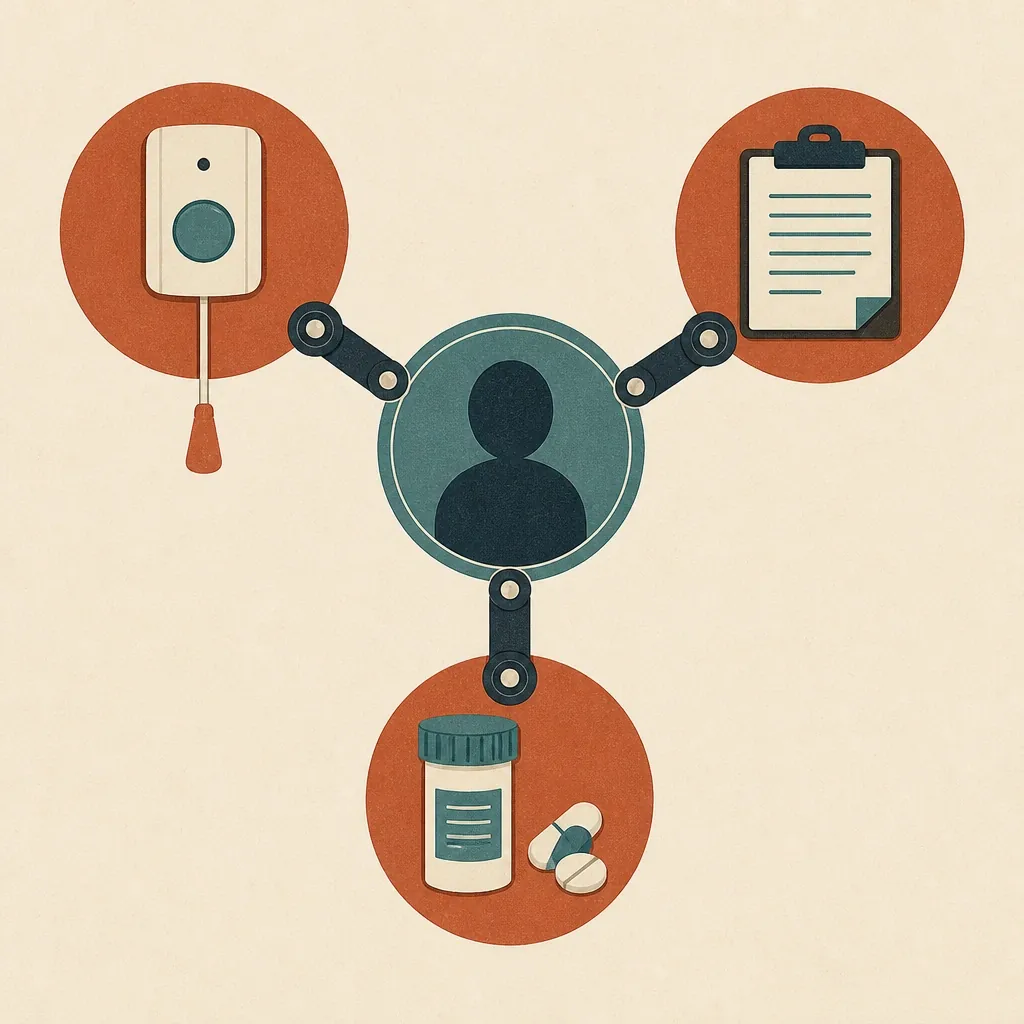
Nurse call events, care notes and medication changes joined against one resident identity, which usually does not exist across the three systems today.
-
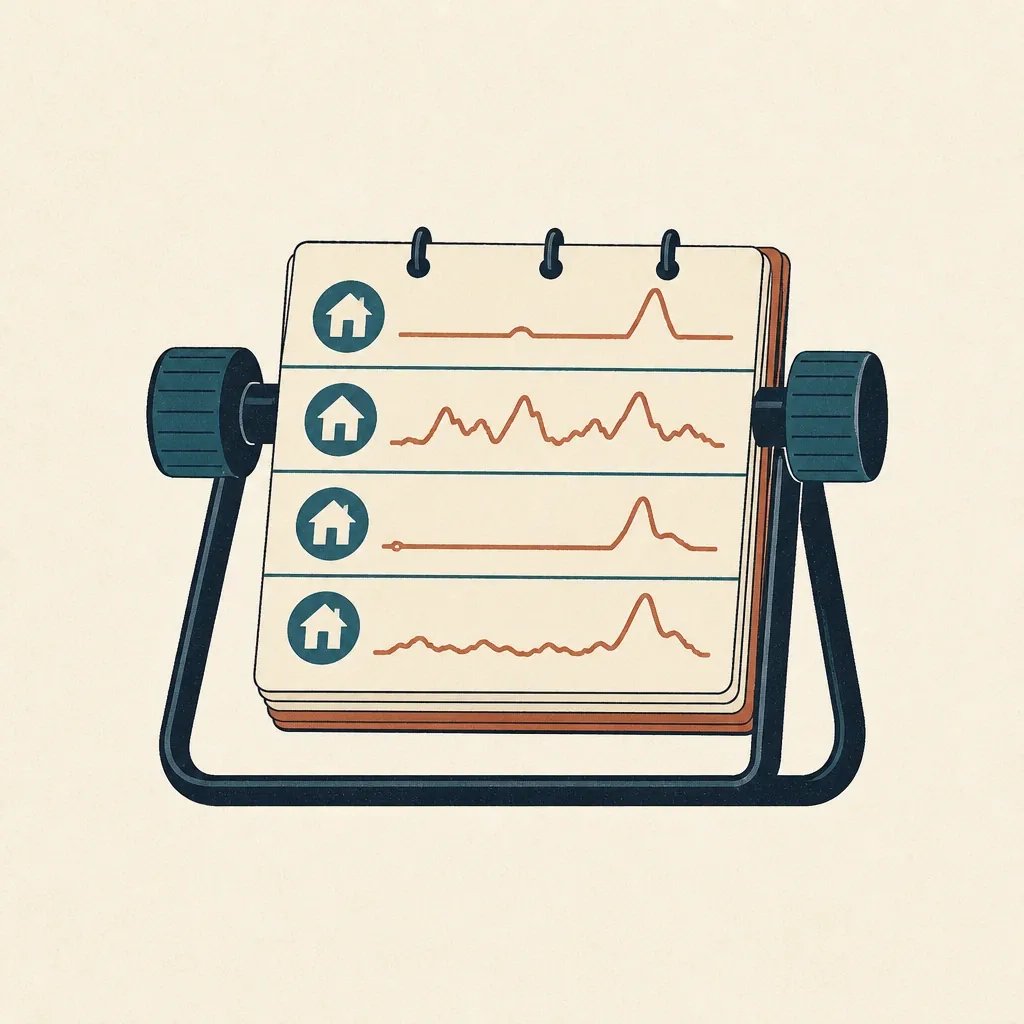
A night-shift screen showing the handful of residents whose signals moved this week, rather than a report nobody opens.
-
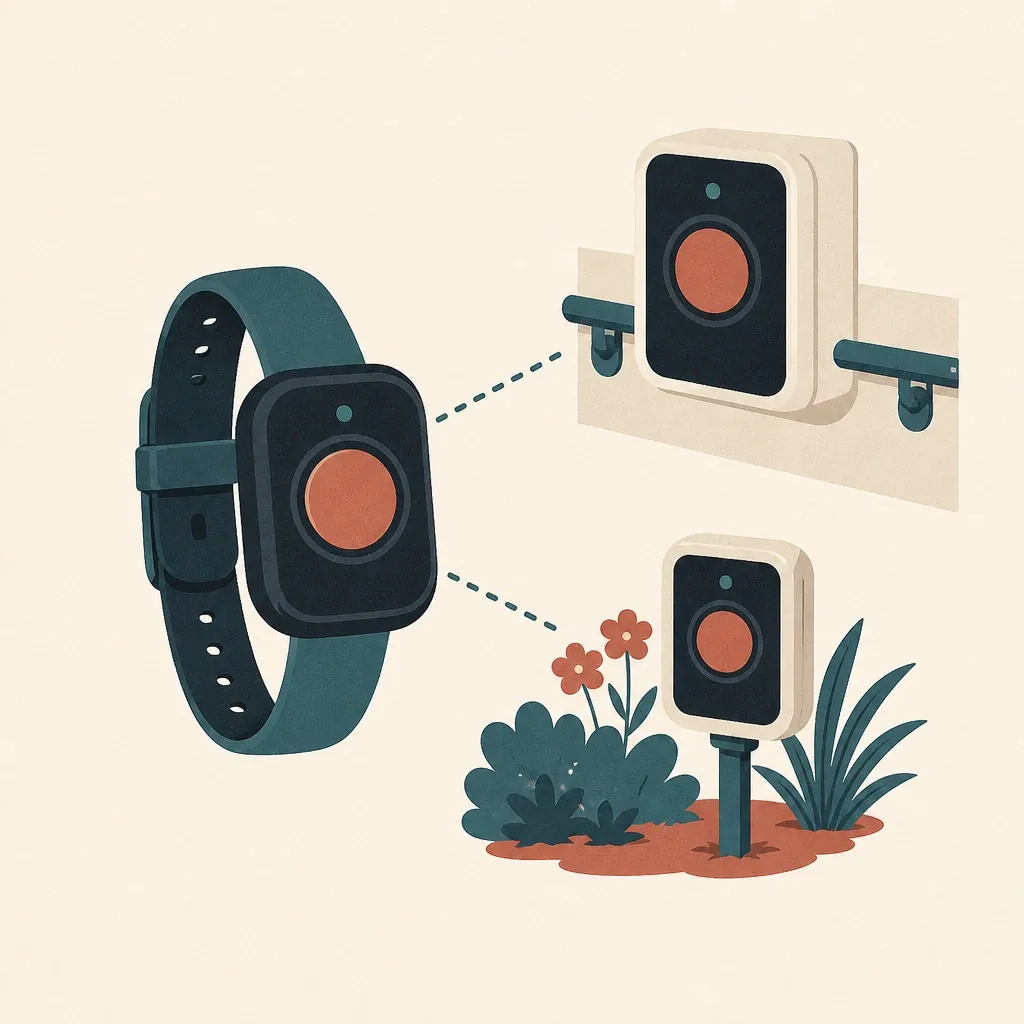
A wearable call button that works in the garden and the corridor, built by us when the fixed panel cannot reach.
-
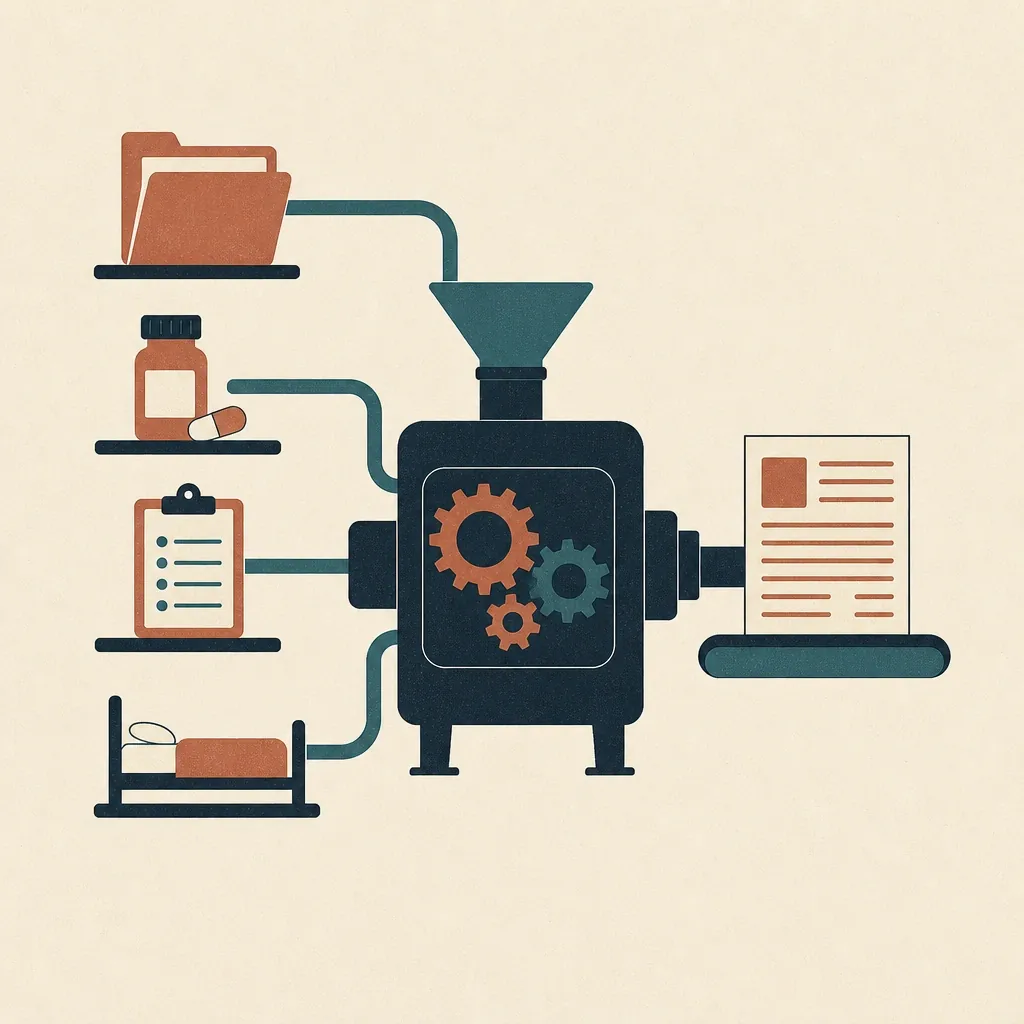
The incident record assembled from what the systems already hold, so writing it stops costing an hour of clinical time.
How you would know it worked
Numbers in your own reporting, not ours.
- Falls per thousand resident days, which is the outcome, tracked against the leading signals.
- Share of falls where a signal had appeared in the preceding fortnight, which tells you whether the model is seeing anything.
- Minutes of clinical time spent writing incident reports, before and after.
Straight answers
Where a model is involved, it is scored against your own records first. Accuracy per source, not one flattering average.
The questions this raises
-
Does this predict falls?
It surfaces residents whose recorded signals have changed. A clinician decides what that means. We would not sell a prediction, and we score the surfacing against incidents you already had before anybody relies on it.
-
Our nurse call system is old and has no API.
That is the usual case. A panel with a serial port, a printed log or a database we can read are all workable routes, and we have built against each.
-
Do you write into the clinical record?
No. We read it. Nothing goes into a chart without an approved route. A wrong entry in a care record is not recoverable the way a wrong report is.
-

We are not in the US. Do these figures apply?
The figures are CDC data and we say so. The mechanism is not country-specific, but we would measure your own falls before claiming a number for you.
Where the figures come from
We did not make these up, and you should not take our word for them.
The evidence is already written down
Six sectors, one problem: the answer is in the notes.
A clinician wrote what happened in prose, because prose is how care is recorded. Every system downstream wants a code, a flag or a field, and none of them can read the sentence that would have answered them.
- Home healthThe most common HOPE failure is a window somebody missed
- HospitalsDenials rose 25 percent in a year, and most of it was clinical
- Physician groupsThere is a monthly payment you are allowed to bill and are not
- Skilled nursingNine out of ten denials are never appealed
- Skilled nursingThe condition was in the nursing note. It never reached the MDS.
Six sectors, and in every one the answer was already in the record. If yours writes anything down in prose, it is there too.Show us what your notes say.
A fall is the last event in a sequence three systems each recorded a piece of.
The build is one resident identity across clinical, call and property systems, a night-shift screen, and a wearable button where the panel cannot reach.
See everything we build-
 Software
 -
 Hardware
 -
 Ways of working
 -
 Whole ventures
Is this happening to you? Tell us the size of it.
Twenty minutes. We will tell you honestly whether the numbers justify doing anything about it.