


An eight-hundred-billion-dollar quarter built on hours recalled from memory
Where does our billable time actually leak?
Figures and rules on this page apply to
United States
Working somewhere else? The shape of the problem usually travels. The deadlines do not.
What this looks like
It is Friday afternoon and the timesheet is empty. Tuesday has to be rebuilt from a calendar, a sent-items folder and a vague sense that the call ran long. What gets entered is honest and approximate. Approximate in one direction, always, because nobody rounds up a day they cannot clearly remember.

The numbers
Every figure here is someone else’s. Check them.
- $816.4Bquarterly US revenue for professional, scientific and technical services
- $356.1Bquarterly revenue for the adjacent administrative and support sector
Why it happens
It is not a people problem.
The product is time, and time is the one input with no physical trace. A part leaving a shelf updates stock. An hour leaving a person updates nothing. So the record depends on somebody choosing to stop working and write it down, which is a request the working day is designed to defeat.
Why your current software has not fixed it
Because it was never built to.
Your practice or project system is excellent at what happens after the hour is recorded: rates, invoices, margin, revenue. It cannot capture the hour, because capturing it means reading the work. The work lives in calendars, documents and messages that sit in other products entirely.
Intelligence, plumbed in
A calendar, a document and a sent email describe the hour. No timesheet field does.
The build is time proposed from the work itself, scope drift shown live, margin per engagement, and a five-second capture on a phone. Underneath it: a connector, one agreed meaning per field, and a test set scored on your own records.
How we make AI survive real data-
 Connectors
 -
 A semantic layer
 -
 Evals you can check
However hard, whatever it is
Time capture is one example. Bring the thing you were told is impossible.
We wrote this up because the sector figures are published quarterly. If yours is resourcing, pricing or renewals, the approach does not change.
-
 01
01 We sit with you
Days where the work happens, not a workshop in a meeting room. We watch the job get done and write down the shortcuts nobody wrote down.
-
 02
02 We read everything
Your data, your rules, your vendors and their documentation, and the published research on your sector. We report what is actually in there.
-
 03
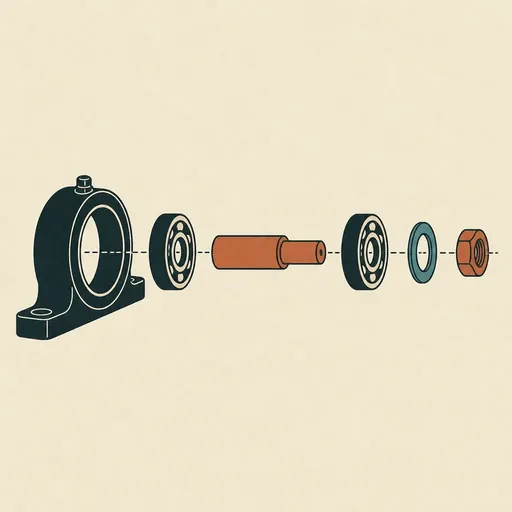
03 We break it to first principles
Not which tool fixes this. What is actually causing it, taken apart until we reach the piece that cannot be divided further.
-
 04
04 Then we build
Weeks, not quarters. By this point we are not guessing what to build, and guessing is the thing that makes projects long.
What we build
Specific enough to argue with.
Four mechanisms, not four features. Each one is a thing that happens on its own, every day, whether or not anyone remembers to run it.
-

Time proposed from the work already visible in calendars, documents and mail, then approved rather than typed.
-

Scope drift shown while the job is running, so the conversation happens before the overrun rather than after it.
-
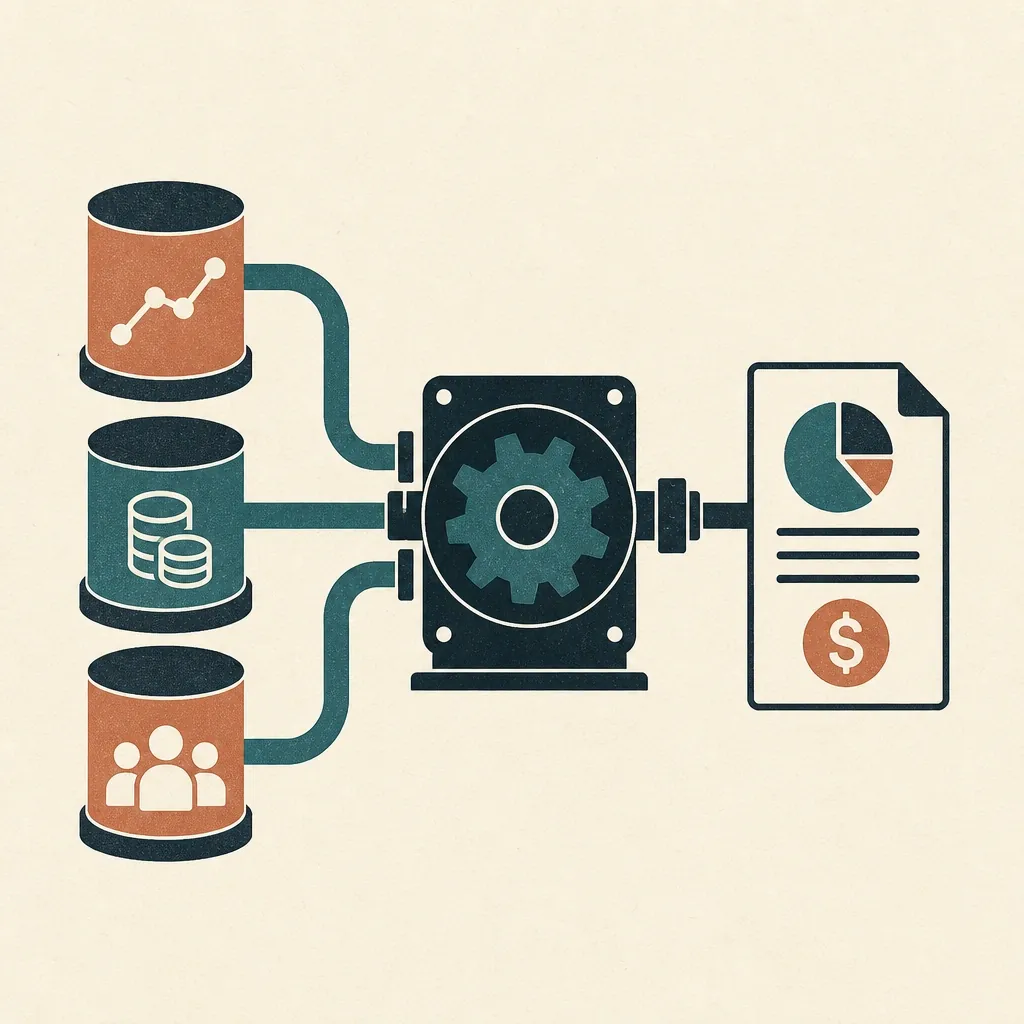
Project, finance and resourcing data joined, so margin per engagement exists rather than margin per practice.
-

A phone capture that takes five seconds, because anything longer loses to the next meeting.
How you would know it worked
Numbers in your own reporting, not ours.
- Share of time recorded on the day it was worked, which is the leading measure here.
- Gap between recorded hours and hours evidenced by calendar and documents.
- Margin variance per engagement, measured while the work is live rather than at close.
Straight answers
Where a model is involved, it is scored against your own records first. Accuracy per source, not one flattering average.
The questions this raises
-

Is this surveillance of our people?
It is the opposite of what it sounds like, and the design decides that. Nothing counts without the person approving it, the proposal is theirs to edit, and managers see the approved entry only.
-

We already have a time system.
You have a system that stores time. The problem is producing it. We feed yours rather than replace it, and the entry still belongs to the person.
-

Our engagements are all different.
That is exactly why a shipped template fails here. The mapping belongs in a layer we build with you, not in a settings screen.
-

Are these figures about us?
No. They describe the sector and we say so. The point is scale, not your firm. We would measure your own capture rate before claiming anything.
Where the figures come from
We did not make these up, and you should not take our word for them.
The meaning is not in any schema
Two systems agree on the field and disagree on what it means.
The rule lives in a document, or in what one site has always called something, or in a habit nobody wrote down. Joining the data is the easy half; agreeing what it means is the half that is actually the work.
- Behavioral healthOne in four facilities still run on paper, and there is a reason
- Senior livingNobody wants a sixth dashboard
- Skilled nursingEvery building reports. Nobody can see the portfolio.
Consent rules, site vocabulary, what an hour counts as. Wherever two systems agree on a field and not on what it means.Describe the disagreement.
An hour is the only input that leaves no trace when it is used.
The build is time proposed from the work itself, scope drift shown live, margin per engagement, and a five-second capture on a phone.
See everything we build-
 Software
 -
 Hardware
 -
 Ways of working
 -
 Whole ventures
Is this happening to you? Tell us the size of it.
Twenty minutes. We will tell you honestly whether the numbers justify doing anything about it.