

Skilled nursing & post-acute care
Every building reports. Nobody can see the portfolio.
Why can we not get one live view across all our facilities?
Figures and rules on this page apply to
United States
Working somewhere else? The shape of the problem usually travels. The deadlines do not.
What this looks like
Monday morning. Someone in each building runs an export. Someone at head office pastes them into a workbook, fixes the columns that moved, and sends a deck. By the time leadership reads it on Tuesday, it describes last week. Every operator with more than three buildings has this person, and none of them were hired to do this.
The numbers
Every figure here is someone else’s. Check them.
- 3 yearshard cap on Orders Report history, for performance reasons
- 1 per sitehow the system of record is licensed and structured
- Manualthe actual method behind most portfolio reporting today
Why it happens
It is not a people problem.
Your system of record is a system of record. It is built so that one building can run its day correctly, and it does that well. Rolling twenty buildings into one live view is a different product with a different data architecture. It is not a missing feature, it is a different thing.
Why your current software has not fixed it
Because it was never built to.
The vendor will not build this, and the reason is rational rather than lazy. Cross-facility analytics would compete with their own customers' BI vendors, and it would slow the transactional system they are actually judged on. So they drew a product boundary. Specialist vendors live in boundaries like that. It is why this gap has not closed in ten years, and why it will not close on its own.
Intelligence, plumbed in
Each building writes its own words for the same thing.
The build is the layer across all of them, a screen for the regional office, and a standard the buildings can actually follow. Underneath it: a connector, one agreed meaning per field, and a test set scored on your own records.
How we make AI survive real data-
 Connectors
 -
 A semantic layer
 -
 Evals you can check
However hard, whatever it is
Portfolio reporting is one example. Bring the others too.
Portfolio reporting is a visibility problem. So is most of what operators actually lose sleep over, and visibility problems all start the same way.
-
 01
01 We sit with you
Days where the work happens, not a workshop in a meeting room. We watch the job get done and write down the shortcuts nobody wrote down.
-
 02
02 We read everything
Your data, your rules, your vendors and their documentation, and the published research on your sector. We report what is actually in there.
-
 03
03 We break it to first principles
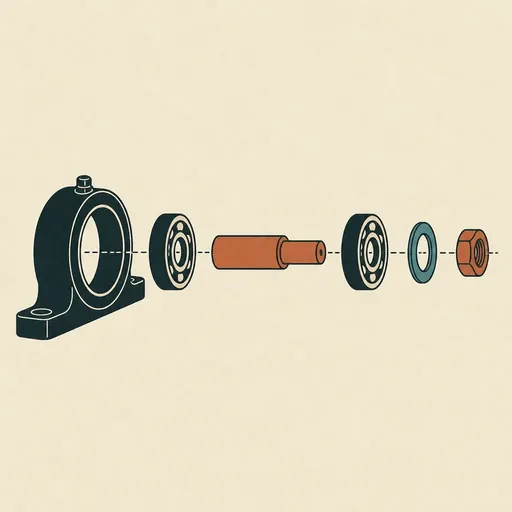
Not which tool fixes this. What is actually causing it, taken apart until we reach the piece that cannot be divided further.
-
 04
04 Then we build
Weeks, not quarters. By this point we are not guessing what to build, and guessing is the thing that makes projects long.
What we build
Specific enough to argue with.
Four mechanisms, not four features. Each one is a thing that happens on its own, every day, whether or not anyone remembers to run it.
-
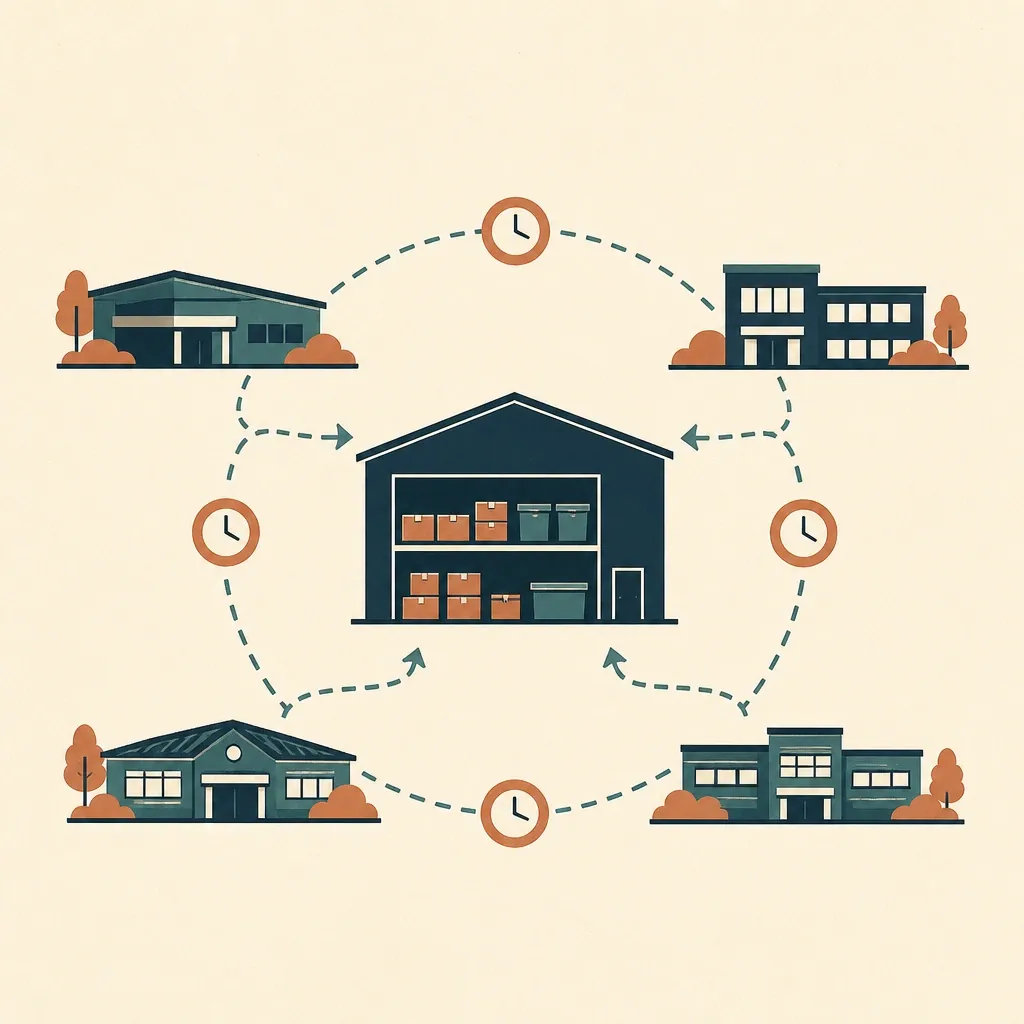
A warehouse that pulls from every building on a schedule, not on a Monday by hand.
-
Occupancy, payer mix, admissions and discharges reconciled so that head office and each facility see the same number.
-
History kept for as long as you want it, rather than for as long as the source system allows.
-
Alerts on the movements that matter, so leadership finds out on the day rather than at the review.
How you would know it worked
Numbers in your own reporting, not ours.
- Time from question to answer, which is the whole point.
- Hours per month spent building the Monday report, which should go to roughly zero.
- Whether a facility and head office can still disagree about occupancy.
Straight answers
Where a model is involved, it is scored against your own records first. Accuracy per source, not one flattering average.
The questions this raises
-

Does this replace our system of record?
No. It reads from it. Every building keeps working exactly as it does now, and if you stopped using us tomorrow nothing in the source system would change.
-
What if our buildings run different systems?
That is the normal case after an acquisition, and it is the part we are actually good at. Two systems holding the same fact differently is the job, not an obstacle to it.
-

How current is the data?
As current as the source allows, which is usually near-live. We will tell you the real refresh rate per feed rather than a marketing number.
Where the figures come from
We did not make these up, and you should not take our word for them.
Also in skilled nursing
Nine out of ten denials are never appealed
Appealing works nineteen times out of twenty. Almost nobody has the hours to do it.
ProblemThe condition was in the nursing note. It never reached the MDS.
The qualifying detail is usually already written down. It just never made it onto the assessment.
The meaning is not in any schema
Two systems agree on the field and disagree on what it means.
The rule lives in a document, or in what one site has always called something, or in a habit nobody wrote down. Joining the data is the easy half; agreeing what it means is the half that is actually the work.
- Behavioral healthOne in four facilities still run on paper, and there is a reason
- Accounting & consultingAn eight-hundred-billion-dollar quarter built on hours recalled from memory
- Senior livingNobody wants a sixth dashboard
Consent rules, site vocabulary, what an hour counts as. Wherever two systems agree on a field and not on what it means.Describe the disagreement.
Every building reports. Somebody still has to make one picture.
The build is the layer across all of them, a screen for the regional office, and a standard the buildings can actually follow.
See everything we build-
 Software
 -
 Hardware
 -
 Ways of working
 -
 Whole ventures
Is this happening to you? Tell us the size of it.
Twenty minutes. We will tell you honestly whether the numbers justify doing anything about it.