


There is a monthly payment you are allowed to bill and are not
Why are we not billing Advanced Primary Care Management?
Figures and rules on this page apply to
United States
Working somewhere else? The shape of the problem usually travels. The deadlines do not.
What this looks like
Your team already does the work. They call patients between visits, chase the specialist report, sort the medication list out after a discharge. None of it is billed, because it was never a visit. Meanwhile there is a monthly code that pays for exactly this, and the reason you are not claiming it is paperwork rather than care.

The numbers
Every figure here is someone else’s. Check them.
- $324,000a year for a practice with 500 eligible Medicare patients at the middle code
- 13service elements that must be delivered and evidenced every month
- $16per patient per month at G0556
- $54per patient per month at G0557
- $117per patient per month at G0558
Why it happens
It is not a people problem.
The barrier is not clinical. Your clinicians already deliver most of the thirteen elements. The barrier is proving it. Each element has to be delivered, recorded and defensible every single month, for every enrolled patient, and your EHR has nowhere to put that. So the safe choice is not to bill, and the safe choice costs you a third of a million dollars a year.
Why your current software has not fixed it
Because it was never built to.
The code replaced minute-counting with a bundle, and that is precisely what your existing tools were built around. A timer is easy software. Tracking thirteen different obligations per patient per month, and holding the evidence for each, is a workflow product. Your EHR sells you a record, not a workflow, and the general care-management tools were built for the old rules.
Intelligence, plumbed in
Eligibility is spread across the chart, not stored in one flag.
The build is the monthly sweep and the evidence pack behind it. Then the written routine a practice manager can run without us. Underneath it: a connector, one agreed meaning per field, and a test set scored on your own records.
How we make AI survive real data-
 Connectors
 -
 A semantic layer
 -
 Evals you can check
However hard, whatever it is
Unbilled care is one example. Bring the bigger leak.
This is one revenue line that goes unbilled. There are usually three or four, and the largest is rarely the one anybody is looking at.
-
 01
01 We sit with you
Days where the work happens, not a workshop in a meeting room. We watch the job get done and write down the shortcuts nobody wrote down.
-
 02
02 We read everything
Your data, your rules, your vendors and their documentation, and the published research on your sector. We report what is actually in there.
-
 03
03 We break it to first principles
Not which tool fixes this. What is actually causing it, taken apart until we reach the piece that cannot be divided further.
-
 04
04 Then we build
Weeks, not quarters. By this point we are not guessing what to build, and guessing is the thing that makes projects long.
What we build
Specific enough to argue with.
Four mechanisms, not four features. Each one is a thing that happens on its own, every day, whether or not anyone remembers to run it.
-

Eligibility run across your panel, so you know the real number before committing to anything.
-
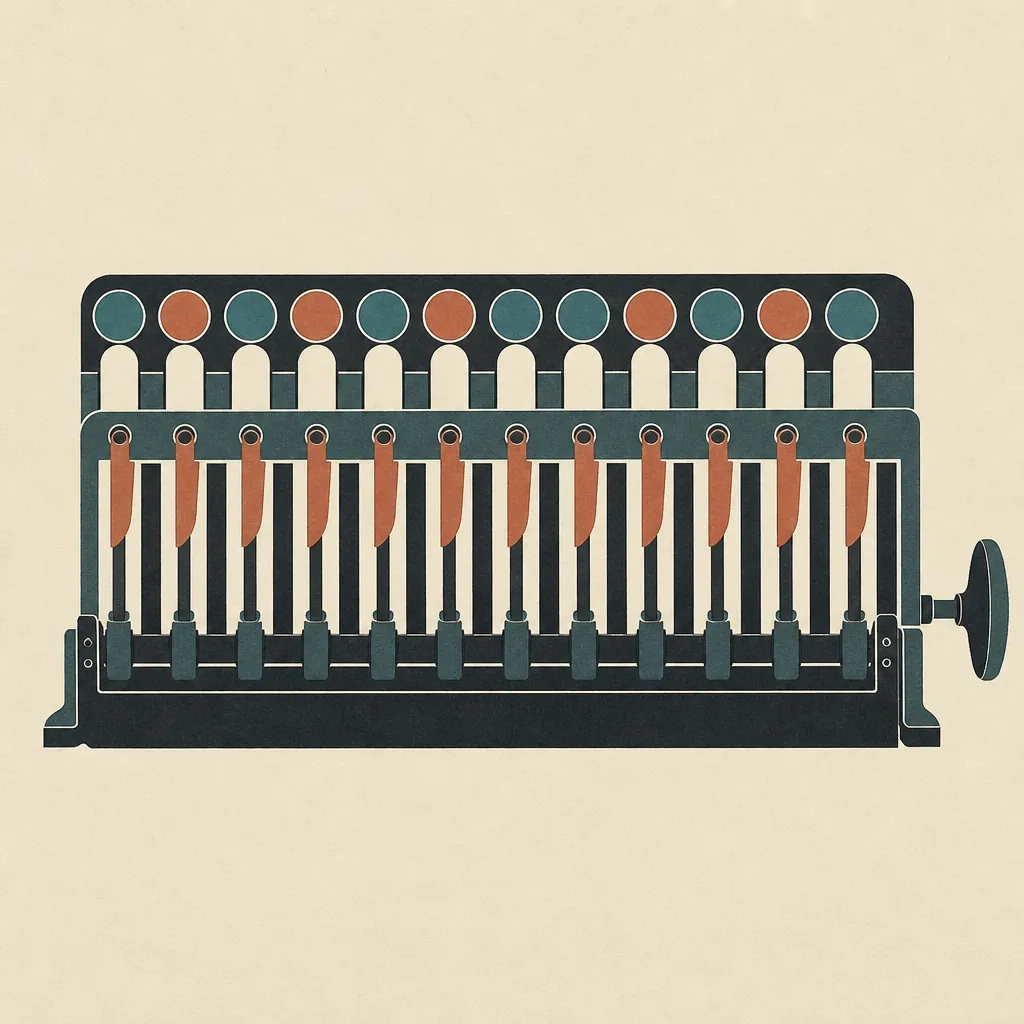
The thirteen elements tracked per patient per month, each one either satisfied by something your team already did or flagged as outstanding.
-

Evidence captured as work happens, not reconstructed at month end for a claim.
-

A monthly billing file, and an audit pack behind every claim in it.
How you would know it worked
Numbers in your own reporting, not ours.
- Enrolled patients, and the share where all thirteen elements are evidenced.
- Revenue billed under G0556 to G0558 against a starting point of zero.
- Minutes of staff time per enrolled patient per month, which has to stay small or the economics break.
Straight answers
Where a model is involved, it is scored against your own records first. Accuracy per source, not one flattering average.
The questions this raises
-

We are a small practice. Is this worth it?
Run the arithmetic on your own panel before deciding. Eligible patients times the rate for the code you would bill, times twelve. If that number does not comfortably beat the cost of the work, do not do it, and we will say so.
-

What are the conditions we have to meet?
You need to take part in an MSSP ACO, REACH ACO, Making Care Primary or Primary Care First. You also report on the Value in Primary Care pathway from 2026. If none of that applies, this is not your opportunity.
-

Is this just care management software with a new name?
No. Older tools count minutes, because the old codes paid for minutes. This code pays for a bundle of thirteen obligations. Counting is the wrong shape for it.
Where the figures come from
We did not make these up, and you should not take our word for them.
The evidence is already written down
Six sectors, one problem: the answer is in the notes.
A clinician wrote what happened in prose, because prose is how care is recorded. Every system downstream wants a code, a flag or a field, and none of them can read the sentence that would have answered them.
- Home healthThe most common HOPE failure is a window somebody missed
- HospitalsDenials rose 25 percent in a year, and most of it was clinical
- Senior livingOne in four residents falls each year, and the warning was in the logs
- Skilled nursingNine out of ten denials are never appealed
- Skilled nursingThe condition was in the nursing note. It never reached the MDS.
Six sectors, and in every one the answer was already in the record. If yours writes anything down in prose, it is there too.Show us what your notes say.
Finding the money is software. Keeping it is a process.
The build is the monthly sweep and the evidence pack behind it. Then the written routine a practice manager can run without us.
See everything we build-
 Software
 -
 Hardware
 -
 Ways of working
 -
 Whole ventures
Is this happening to you? Tell us the size of it.
Twenty minutes. We will tell you honestly whether the numbers justify doing anything about it.