

Skilled nursing & post-acute care
Nine out of ten denials are never appealed
Why are most of our Medicare Advantage denials never appealed?
Figures and rules on this page apply to
United States
Working somewhere else? The shape of the problem usually travels. The deadlines do not.
What this looks like
A denial lands. Someone has to read the whole chart, find the clinical evidence, and write the argument. It takes about four hours. There are eleven more in the queue and the floor is short-staffed. So the deadline passes, and the money is written off as a bad debt that was never bad.

The numbers
Every figure here is someone else’s. Check them.
Why it happens
It is not a people problem.
This is not a clinical problem and it is not a legal one. It is an hours problem. Winning an appeal means reading a medical record and building a medical-necessity argument against the reason the payer gave. That takes a trained person several hours per case, and no facility has that person sitting idle.
Why your current software has not fixed it
Because it was never built to.
Your billing platform is a database. It is very good at submitting a claim, because a claim is a set of fields. It is poor at arguing a denied one, because arguing means reading unstructured clinical narrative and constructing a case. That is a different kind of work, and the whole architecture of a claims-scrubbing product assumes the answer lives in a field. This is a product boundary, not a failing, and it is not going to move.
Intelligence, plumbed in
The evidence that overturns a denial is prose inside the chart.
The build is the pack that writes itself from the chart. Then the board the team works from each morning, and a one-tap check that a task happened. Underneath it: a connector, one agreed meaning per field, and a test set scored on your own records.
How we make AI survive real data-
 Connectors
 -
 A semantic layer
 -
 Evals you can check
However hard, whatever it is
Appeals are one example. Bring whatever costs you most.
Appeals are measurable, which is why we wrote them up. Plenty of what costs you is not measurable yet, and making it measurable is part of the work.
-
 01
01 We sit with you
Days where the work happens, not a workshop in a meeting room. We watch the job get done and write down the shortcuts nobody wrote down.
-
 02
02 We read everything
Your data, your rules, your vendors and their documentation, and the published research on your sector. We report what is actually in there.
-
 03
03 We break it to first principles
Not which tool fixes this. What is actually causing it, taken apart until we reach the piece that cannot be divided further.
-
 04
04 Then we build
Weeks, not quarters. By this point we are not guessing what to build, and guessing is the thing that makes projects long.
What we build
Specific enough to argue with.
Four mechanisms, not four features. Each one is a thing that happens on its own, every day, whether or not anyone remembers to run it.
-
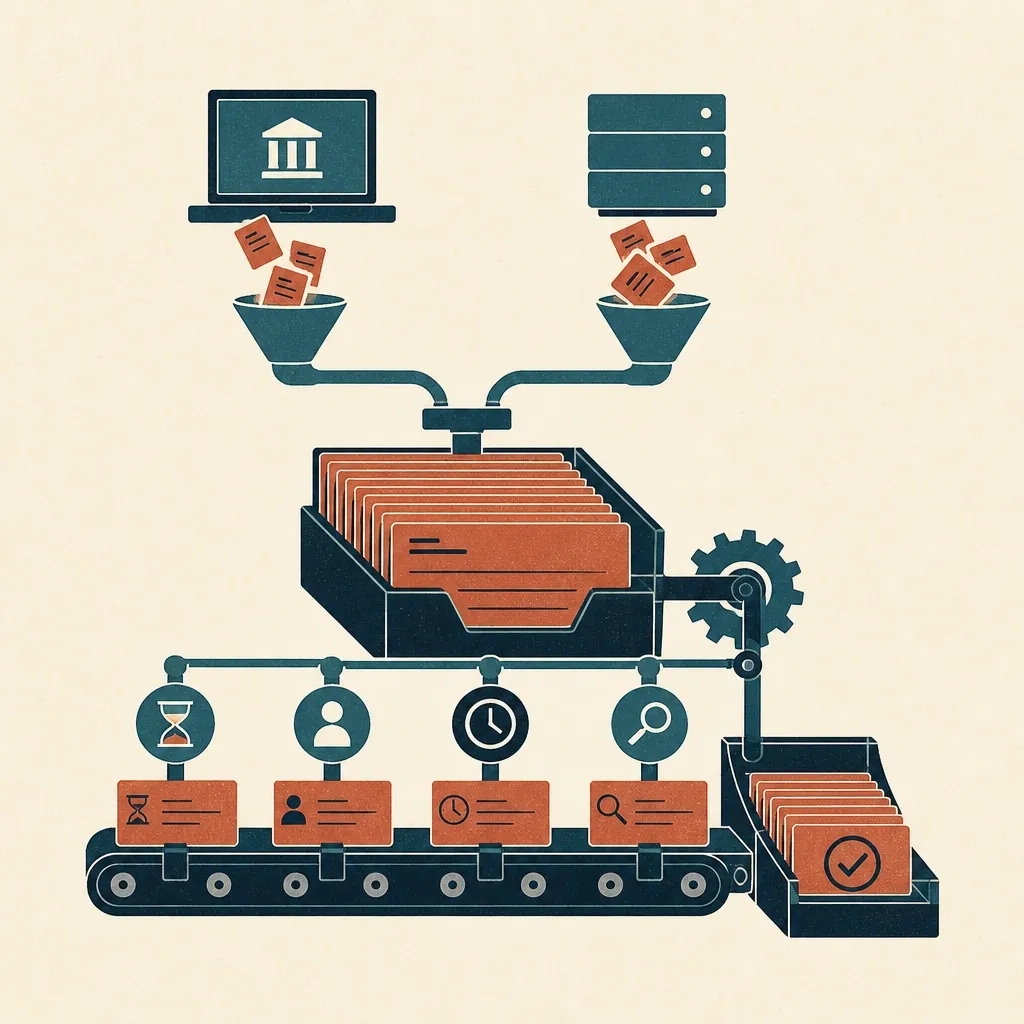
Every denial pulled from the payer portal and the clearing house into one worklist, aged, owned and deadline-tracked through redetermination and reconsideration.
-

The clinical evidence for each case pulled from the chart automatically. The person writing the appeal starts from a draft, not a blank page.
-
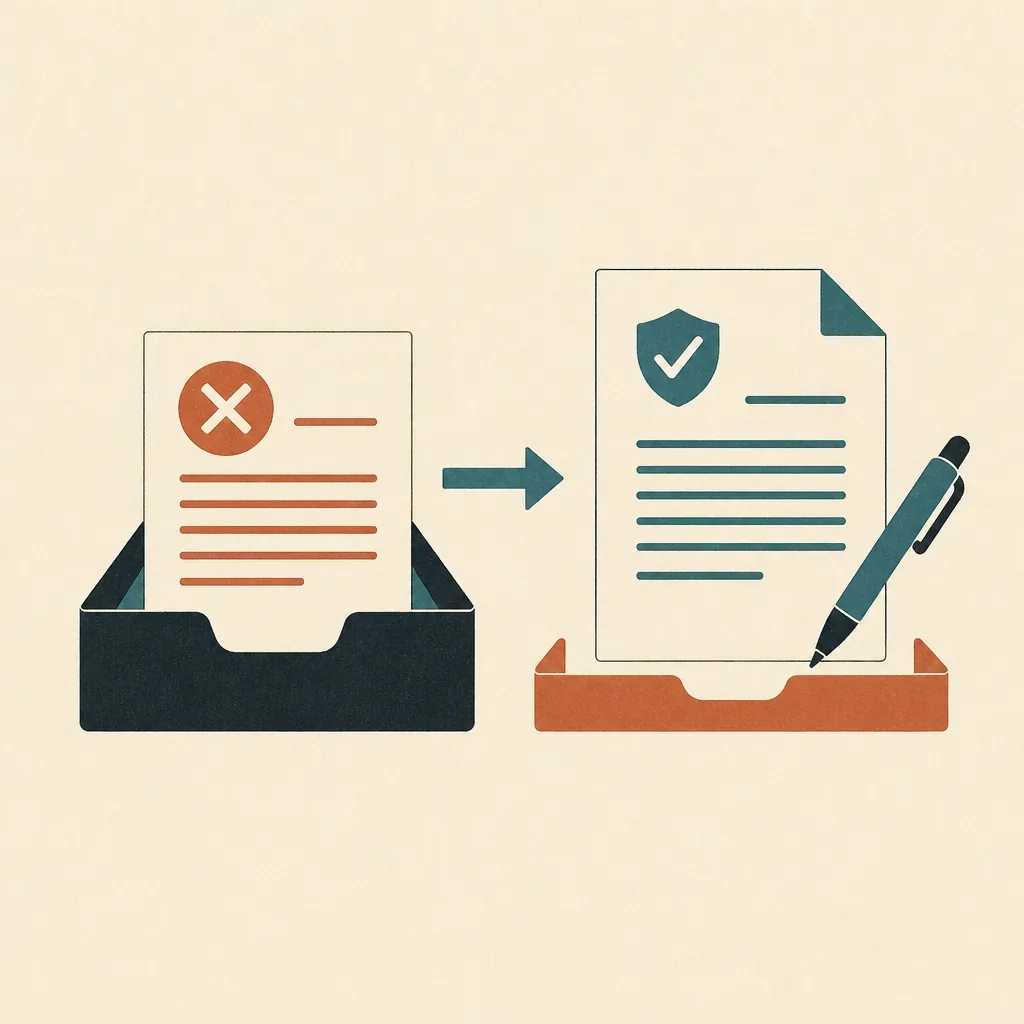
A first-pass argument drafted against the payer's own stated denial reason, for a human to approve, edit or throw away.
-
A running figure for what is still appealable and what has already timed out.
How you would know it worked
Numbers in your own reporting, not ours.
- Share of denials appealed, which is the number that moves first.
- Dollars recovered per month against the same period last year.
- Hours spent per appeal, which should fall even as the count rises.
Straight answers
Where a model is involved, it is scored against your own records first. Accuracy per source, not one flattering average.
The questions this raises
-

Does the software decide the clinical argument?
No. It assembles the evidence and drafts a first version. A person reviews and signs every appeal. We would not build it any other way, and neither should you accept it.
-

What if our denial volume is small?
Then say so on the call and we will tell you if the numbers work. If the recoverable amount does not cover the build, we will say that rather than sell you something.
-

Can you work this on contingency?
On recovery work, yes. A share of what we actually recover, and nothing if we recover nothing. It is a worse deal for us and a better one for you, which is the point.
Where the figures come from
We did not make these up, and you should not take our word for them.
Also in skilled nursing
The condition was in the nursing note. It never reached the MDS.
The qualifying detail is usually already written down. It just never made it onto the assessment.
ProblemEvery building reports. Nobody can see the portfolio.
The data exists in every building. Getting it into one place still means exports and re-keying.
The evidence is already written down
Six sectors, one problem: the answer is in the notes.
A clinician wrote what happened in prose, because prose is how care is recorded. Every system downstream wants a code, a flag or a field, and none of them can read the sentence that would have answered them.
- Home healthThe most common HOPE failure is a window somebody missed
- HospitalsDenials rose 25 percent in a year, and most of it was clinical
- Physician groupsThere is a monthly payment you are allowed to bill and are not
- Senior livingOne in four residents falls each year, and the warning was in the logs
Six sectors, and in every one the answer was already in the record. If yours writes anything down in prose, it is there too.Show us what your notes say.
An appeal is a document. Documents can be assembled.
The build is the pack that writes itself from the chart. Then the board the team works from each morning, and a one-tap check that a task happened.
See everything we build-
 Software
 -
 Hardware
 -
 Ways of working
 -
 Whole ventures
Is this happening to you? Tell us the size of it.
Twenty minutes. We will tell you honestly whether the numbers justify doing anything about it.