

Skilled nursing & post-acute care
The condition was in the nursing note. It never reached the MDS.
Why are we losing PDPM reimbursement we have already earned?
Figures and rules on this page apply to
United States
Working somewhere else? The shape of the problem usually travels. The deadlines do not.
What this looks like
A resident with COPD is short of breath lying flat. The nurse writes it in the note, because that is what nurses do. Nobody carries it across to the assessment, because that is a different screen on a different day. Eighty-one dollars a day, gone, on one field that was never empty in the first place.
The numbers
Every figure here is someone else’s. Check them.
- $30.65recoverable per patient day from better initial assessments
- $35.59recoverable per patient day from timely Interim Payment Assessments
- $1.1-2.3Ma year for a 100-bed facility at 85% occupancy
Why it happens
It is not a people problem.
Look at where the errors sit. Speech is wrong 38% of the time. Therapy is wrong 2% of the time. The difference is not skill or care. Therapy runs on minutes, which are already numbers in a system. The others run on what somebody wrote in a note. Every component driven by narrative is undercoded, and every component driven by a field is not.
Why your current software has not fixed it
Because it was never built to.
Fixing this means reading free text and reconciling it against a structured form. Your MDS software validates the form. It checks that what you entered is consistent and complete. What it cannot tell you is that the answer was sitting in a progress note three days ago. It has never read that note, and was not built to.
Intelligence, plumbed in
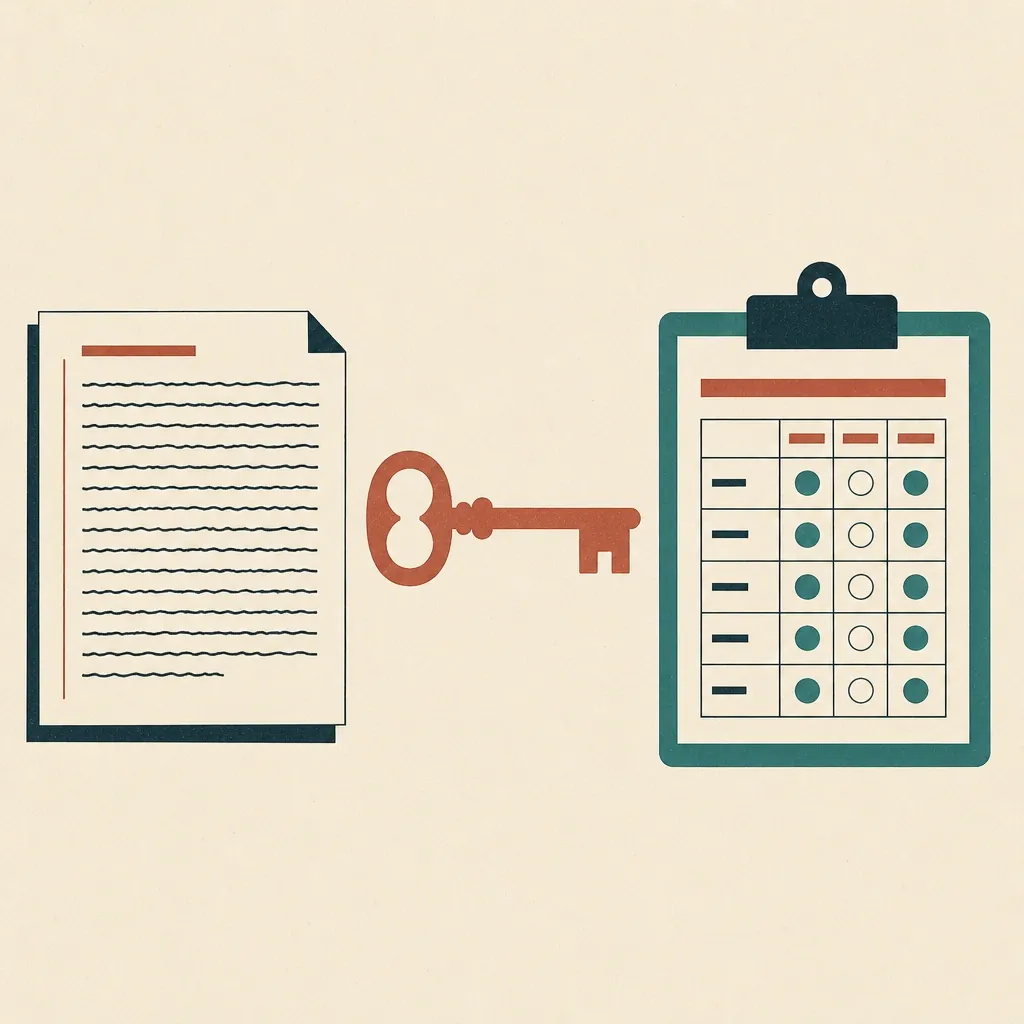
The condition was written in a nursing note. The MDS needs a code.
A reader that finds it in the nursing note. A prompt at the moment of coding. A weekly sheet showing what was left on the table. Underneath it: a connector, one agreed meaning per field, and a test set scored on your own records.
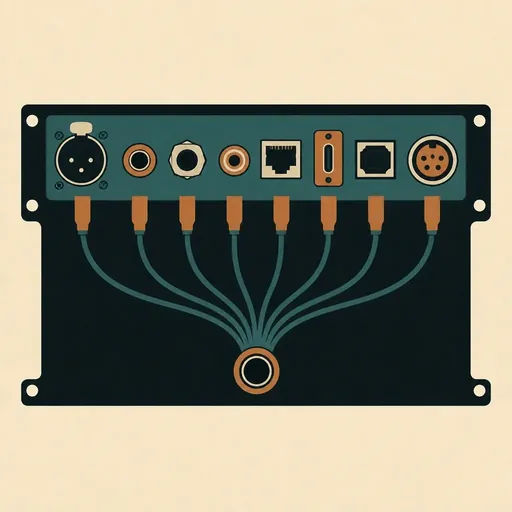
How we make AI survive real data-
 Connectors
 -
 A semantic layer
 -
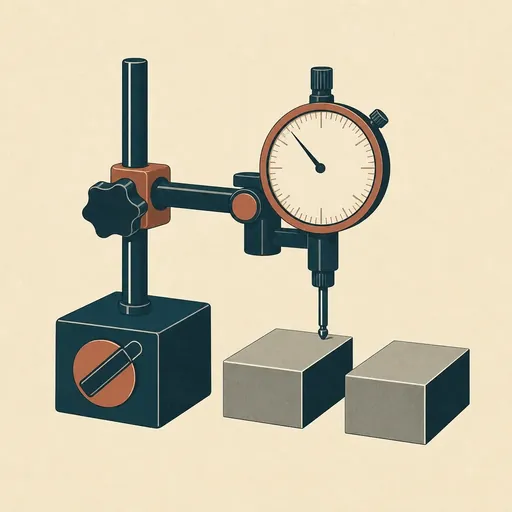 Evals you can check
However hard, whatever it is
Coding is one example. Bring the harder question.
Coding accuracy is one place the record and the reimbursement disagree. There are others, and we would go looking for them rather than assume this is it.
-
 01
01 We sit with you
Days where the work happens, not a workshop in a meeting room. We watch the job get done and write down the shortcuts nobody wrote down.
-
 02
02 We read everything
Your data, your rules, your vendors and their documentation, and the published research on your sector. We report what is actually in there.
-
 03
03 We break it to first principles
Not which tool fixes this. What is actually causing it, taken apart until we reach the piece that cannot be divided further.
-
 04
04 Then we build
Weeks, not quarters. By this point we are not guessing what to build, and guessing is the thing that makes projects long.
What we build
Specific enough to argue with.
Four mechanisms, not four features. Each one is a thing that happens on its own, every day, whether or not anyone remembers to run it.
-

A nightly pass over nursing notes, therapy notes and orders against the open assessment, flagging conditions that are documented but not coded.
-
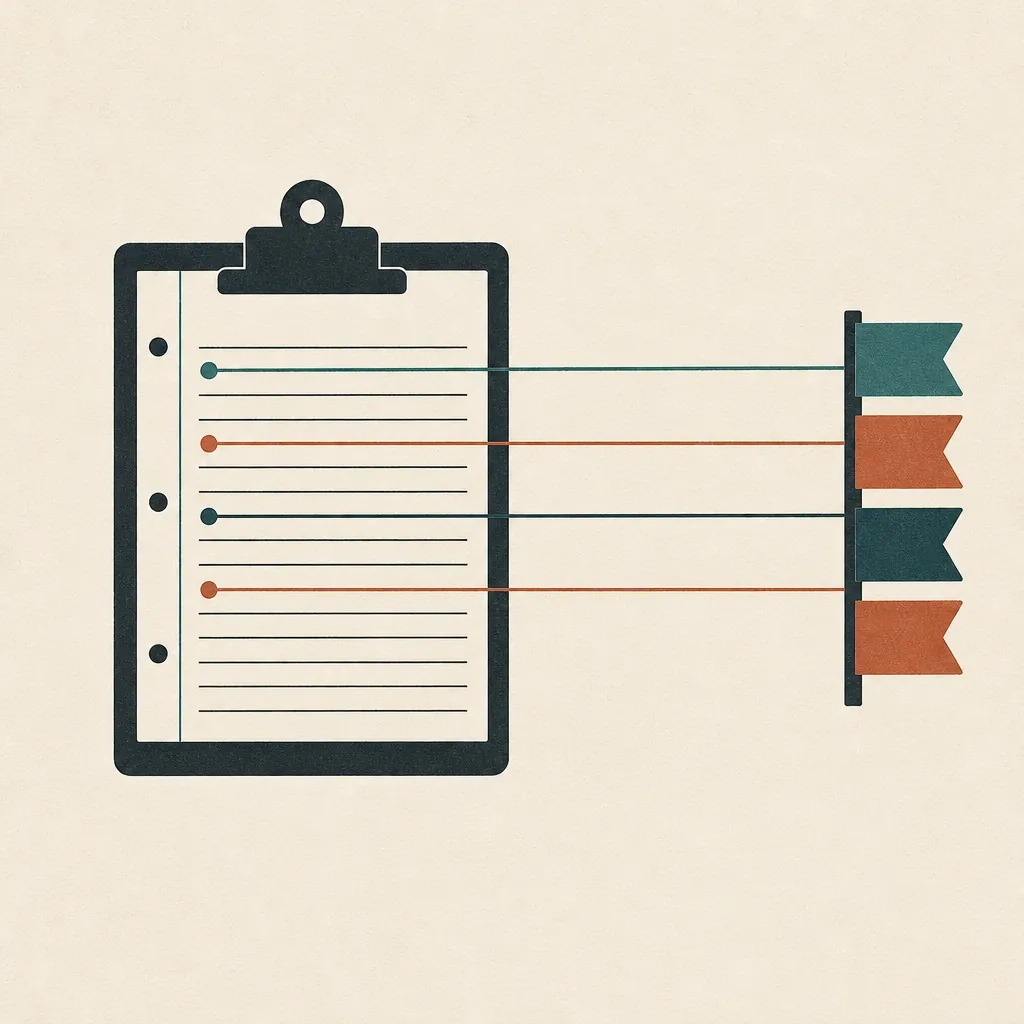
Each flag shown with the exact line of the note it came from, so the assessor can confirm or dismiss it in seconds.
-
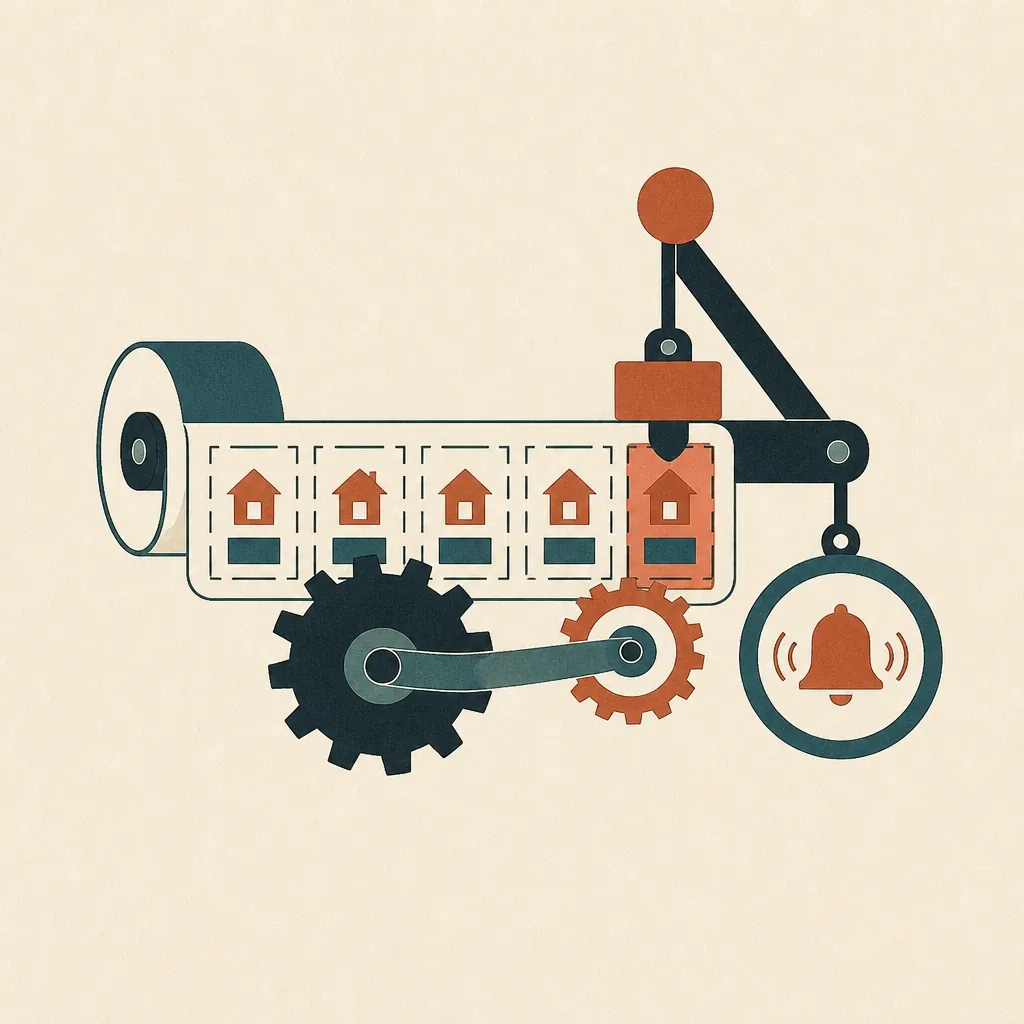
Interim Payment Assessment windows tracked, so a change in condition triggers a prompt while it still pays.
-
A per-facility figure for what was captured and what was missed, by PDPM component.
How you would know it worked
Numbers in your own reporting, not ours.
- Case-mix index against the same resident population last quarter.
- Per-patient-day rate by component, especially speech and non-therapy ancillary.
- Number of flags accepted by assessors, which tells you whether we are useful or noisy.
Straight answers
Where a model is involved, it is scored against your own records first. Accuracy per source, not one flattering average.
The questions this raises
-
Is this upcoding?
No, and we would not build it if it were. Every flag points at a condition a clinician already documented. If it was not documented it does not get flagged. The assessor confirms or rejects each one.
-

Will our assessors trust it?
Only if it is right. That is why every flag shows the source line. An assessor who cannot see why the system said something will stop reading it by week two.
-

How is this different from our MDS validator?
A validator checks what you typed. This checks what you did not type, by reading the record the assessment was supposed to summarise.
Where the figures come from
We did not make these up, and you should not take our word for them.
Also in skilled nursing
The evidence is already written down
Six sectors, one problem: the answer is in the notes.
A clinician wrote what happened in prose, because prose is how care is recorded. Every system downstream wants a code, a flag or a field, and none of them can read the sentence that would have answered them.
- Home healthThe most common HOPE failure is a window somebody missed
- HospitalsDenials rose 25 percent in a year, and most of it was clinical
- Physician groupsThere is a monthly payment you are allowed to bill and are not
- Senior livingOne in four residents falls each year, and the warning was in the logs
Six sectors, and in every one the answer was already in the record. If yours writes anything down in prose, it is there too.Show us what your notes say.
The condition was written down. The build is what carries it.
A reader that finds it in the nursing note. A prompt at the moment of coding. A weekly sheet showing what was left on the table.
See everything we build-
 Software
 -
 Hardware
 -
 Ways of working
 -
 Whole ventures
Is this happening to you? Tell us the size of it.
Twenty minutes. We will tell you honestly whether the numbers justify doing anything about it.