

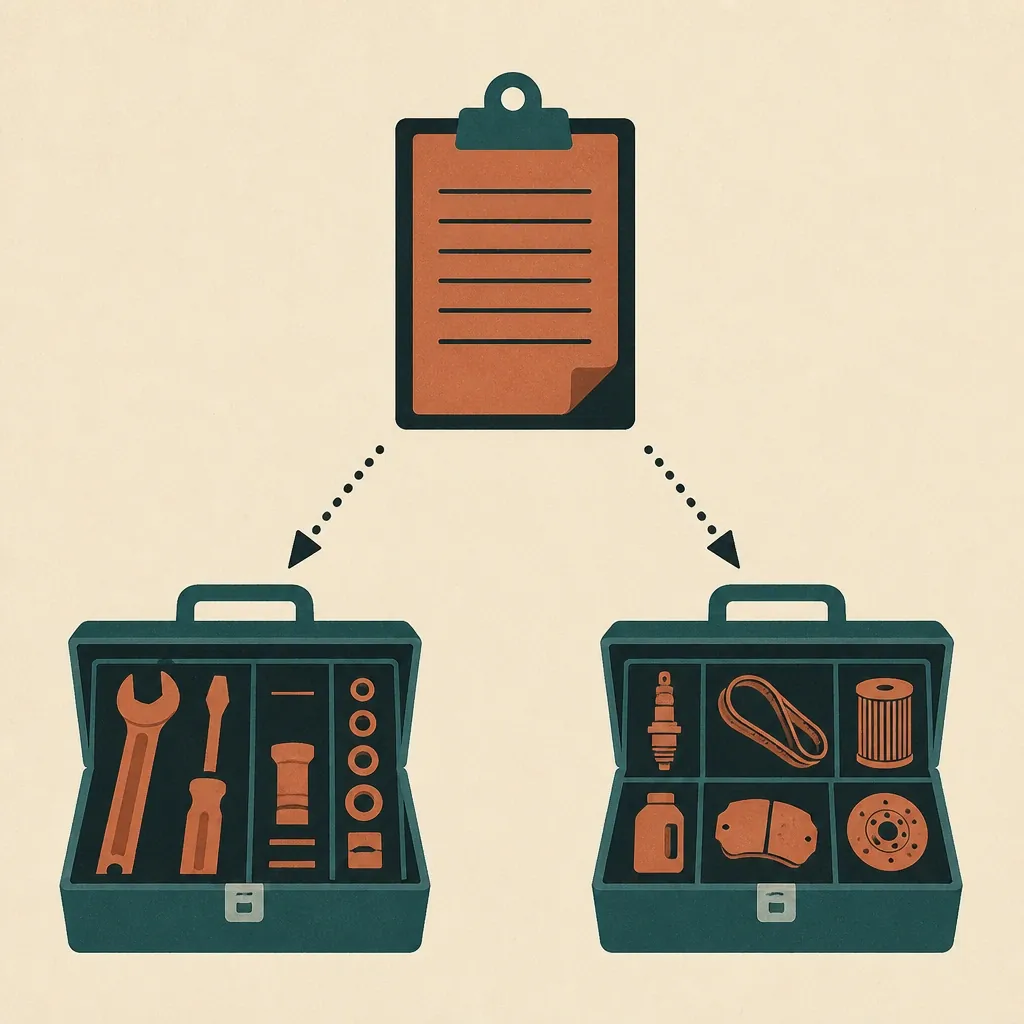
More than a third of crashed trucks already had out-of-service defects
How do we catch a defect before the roadside inspector does?
Figures and rules on this page apply to
United States
Working somewhere else? The shape of the problem usually travels. The deadlines do not.
What this looks like
The defect was on a driver's walk-around note three weeks ago. Written in a cab, in shorthand, into a box nobody reads unless there is an incident. The maintenance system has a schedule and the schedule was met. Both facts are true, and neither of them caught it.
The numbers
Every figure here is someone else’s. Check them.
- 1 in 3+of inspected trucks had maintenance defects that would have put them out of service before the crash
- 3.5M+roadside safety inspections carried out each year
Why it happens
It is not a people problem.
Maintenance runs on a calendar and defects arrive on their own schedule. The gap between the two is filled by a driver noticing something, and what a driver notices ends up as free text in a box. Free text does not trigger anything, does not aggregate, and does not tell you that four vehicles on the same route reported the same noise.
Why your current software has not fixed it
Because it was never built to.
Telematics answers where and how the vehicle is driven, and it answers it well. The maintenance system answers what is scheduled. Neither reads the defect note, because a defect note is prose and both products are built around fields. So the earliest signal you have is the one nothing consumes.
Intelligence, plumbed in
A driver's defect note is a maintenance signal, not a comment box.
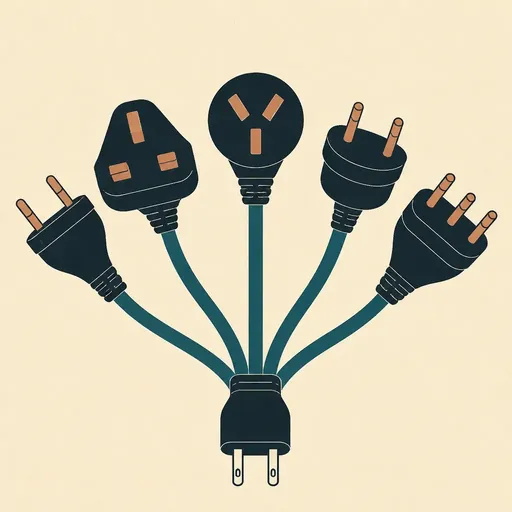
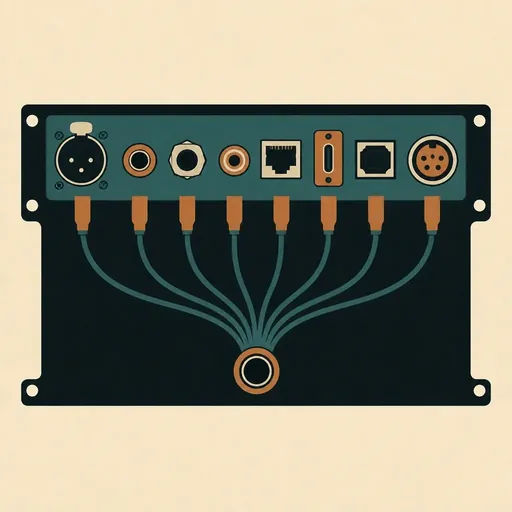
The build is a reader for defect notes, a twenty-second driver app, and a box we fit when the telematics unit will not share. Underneath it: a connector, one agreed meaning per field, and a test set scored on your own records.
How we make AI survive real data-
 Connectors
 -
 A semantic layer
 -
 Evals you can check
However hard, whatever it is
Defects are one example. Bring the harder question.
We wrote this up because the federal data makes it checkable. If yours is compliance, driver retention or depot comparison, the method holds.
-
 01
01 We sit with you
Days where the work happens, not a workshop in a meeting room. We watch the job get done and write down the shortcuts nobody wrote down.
-
 02
02 We read everything
Your data, your rules, your vendors and their documentation, and the published research on your sector. We report what is actually in there.
-
 03
03 We break it to first principles
Not which tool fixes this. What is actually causing it, taken apart until we reach the piece that cannot be divided further.
-
 04
04 Then we build
Weeks, not quarters. By this point we are not guessing what to build, and guessing is the thing that makes projects long.
What we build
Specific enough to argue with.
Four mechanisms, not four features. Each one is a thing that happens on its own, every day, whether or not anyone remembers to run it.
-
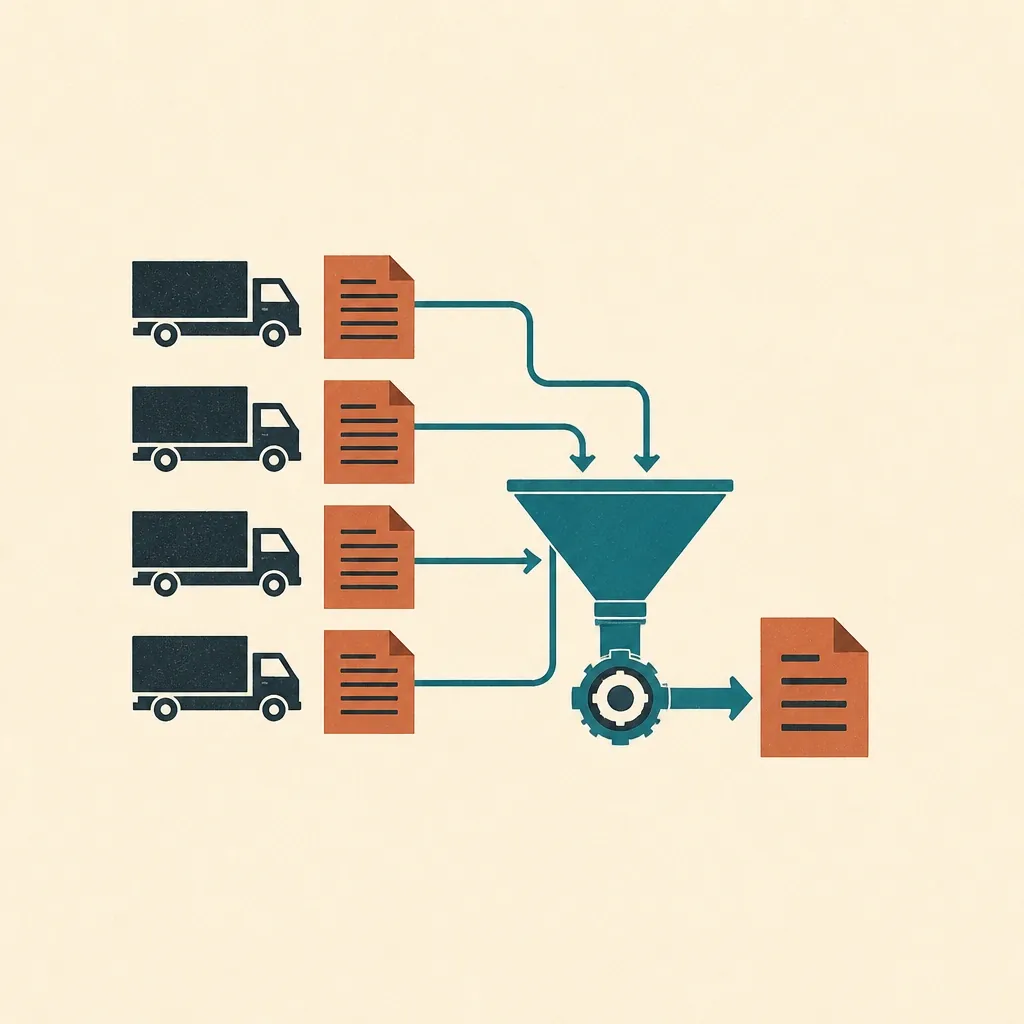
Defect notes read and grouped, so four drivers reporting the same symptom becomes one alert rather than four unread boxes.
-
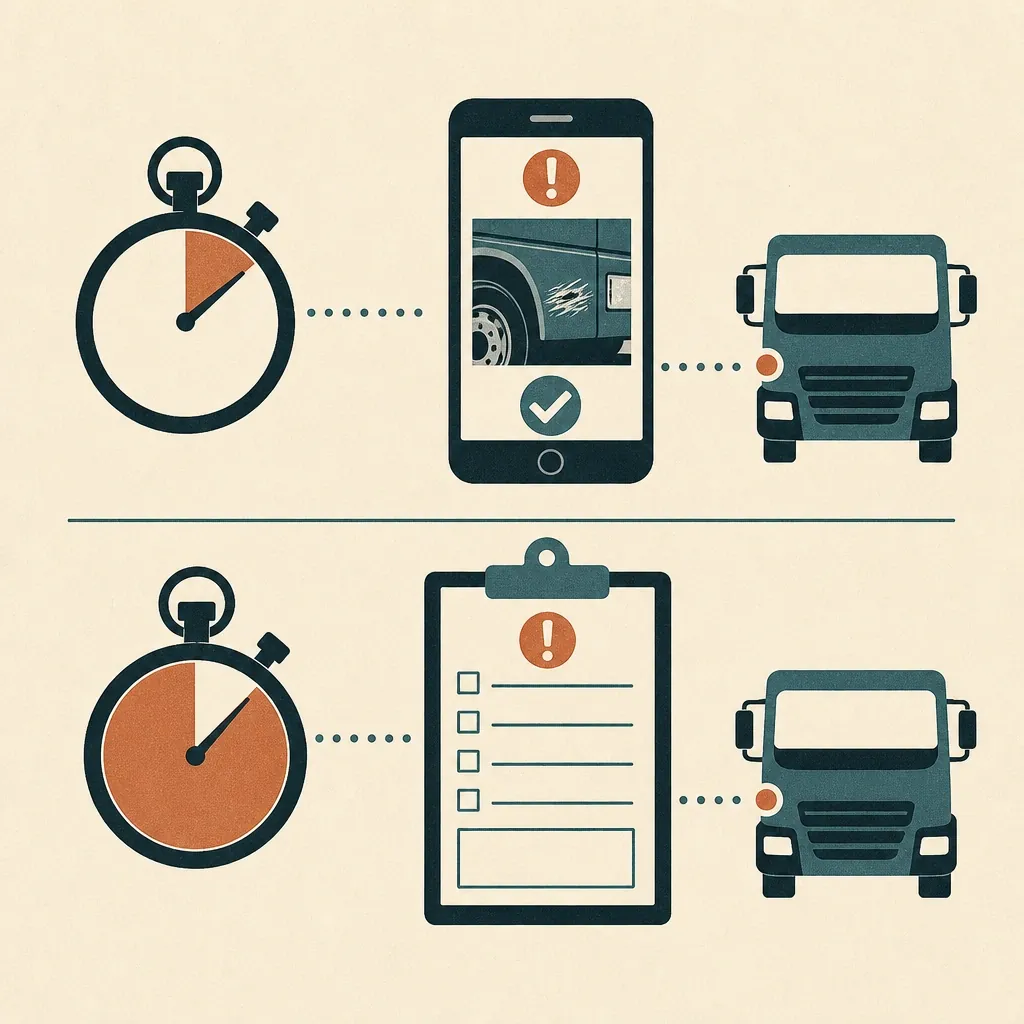
A driver app that logs a defect in twenty seconds with a photo, because a form that takes two minutes gets a blank box instead.
-
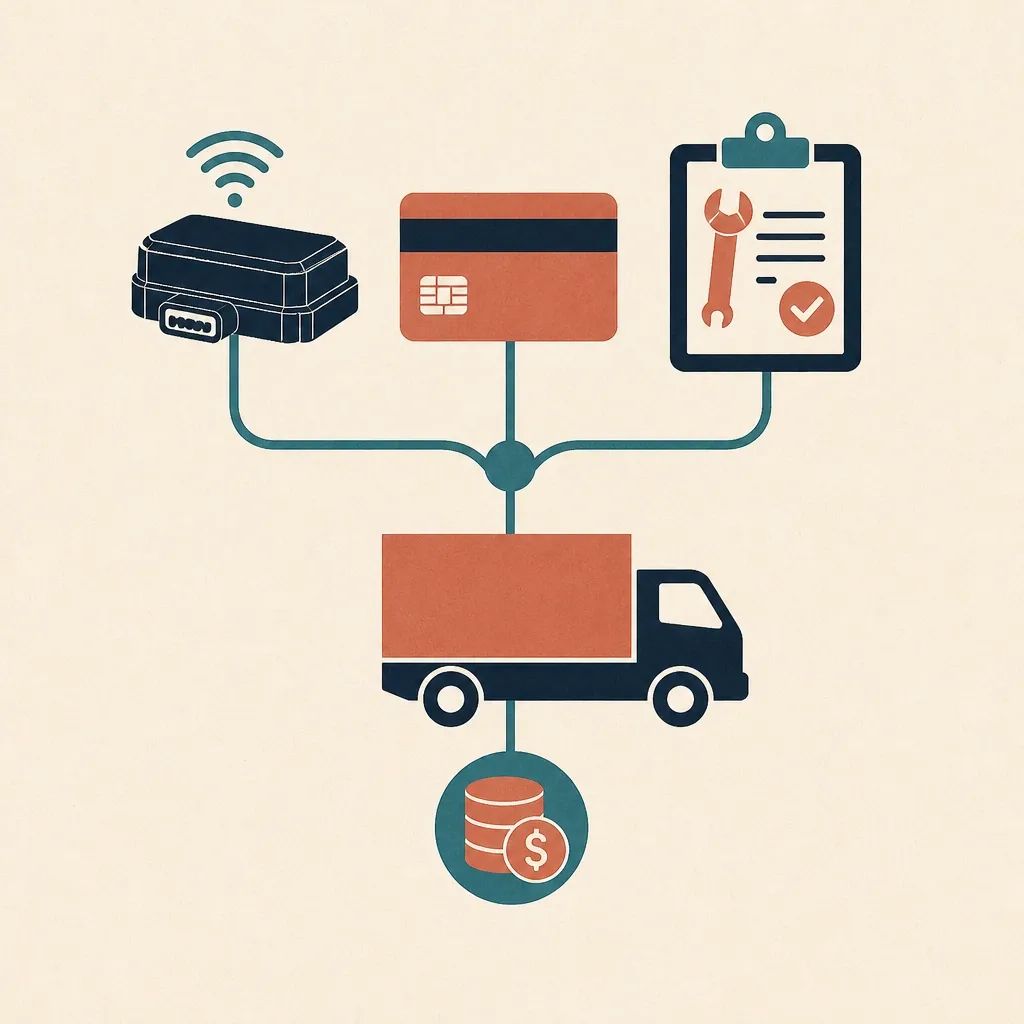
Telematics, fuel card and maintenance history joined per vehicle, so cost per vehicle exists rather than cost per fleet.
-
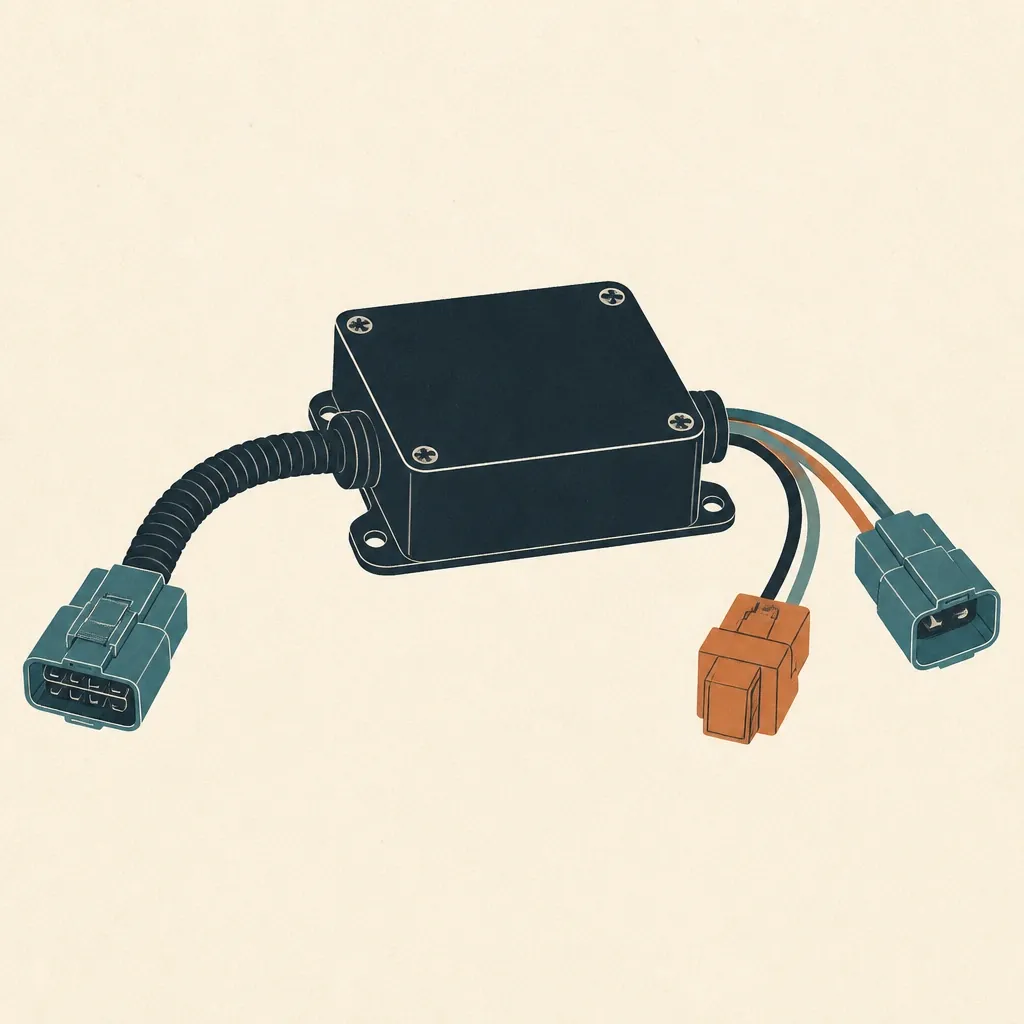
A box we build and fit when the telematics unit will not share its data, which is more common than the vendor admits.
How you would know it worked
Numbers in your own reporting, not ours.
- Out-of-service rate at roadside inspection, which is the externally scored version of this.
- Share of defects found in-house rather than at the roadside.
- Days between a defect first appearing in a note and work being raised against it.
Straight answers
Where a model is involved, it is scored against your own records first. Accuracy per source, not one flattering average.
The questions this raises
-

We have telematics already. Is this not the same thing?
Telematics answers the location and driving question, and answers it well. It does not read the defect note, and the defect note is usually the earliest warning you have.
-
Our drivers will not fill in another form.
They are right not to. The test is twenty seconds and a photo from the cab. Anything longer gets an empty box, and an empty box is worse than no form.
-
Our telematics vendor will not give us raw data.
Then we build the unit. That is ordinary work for us, and it is often cheaper than the integration fee you were quoted.
-

Does this replace our maintenance system?
No. It feeds it. The schedule stays where it is; what changes is that a defect reaches it before an inspector does.
Where the figures come from
We did not make these up, and you should not take our word for them.
Somebody noticed first, and nothing consumed it
The earliest warning is a note in a box nothing reads.
A driver, a fitter, an engineer or an adviser saw it coming and wrote it down. It went into free text. Free text does not trigger anything, does not add up, and never tells you that four people reported the same thing this week.
- ConstructionBuilding productivity rose. Highways and bridges went backwards
- EducationEnrolment is up this year. The intake pool peaked last year
- Energy & utilitiesMajor events now cost more outage hours than every ordinary year combined
- ManufacturingProductivity fell in fourteen of the twenty manufacturing groups measured
- StaffingFive million people hired and five million separated in the same month
Different work, same box nobody reads. Whatever your people notice first, it is being written down somewhere already.Tell us what yours write down.
The earliest warning you have is a driver's note, and nothing reads it.
The build is a reader for defect notes, a twenty-second driver app, and a box we fit when the telematics unit will not share.
See everything we build-
 Software
 -
 Hardware
 -
 Ways of working
 -
 Whole ventures
Is this happening to you? Tell us the size of it.
Twenty minutes. We will tell you honestly whether the numbers justify doing anything about it.