

Productivity fell in fourteen of the twenty manufacturing groups measured
Our machines are monitored. Why is output still unpredictable?
Figures and rules on this page apply to
United States
Working somewhere else? The shape of the problem usually travels. The deadlines do not.
What this looks like
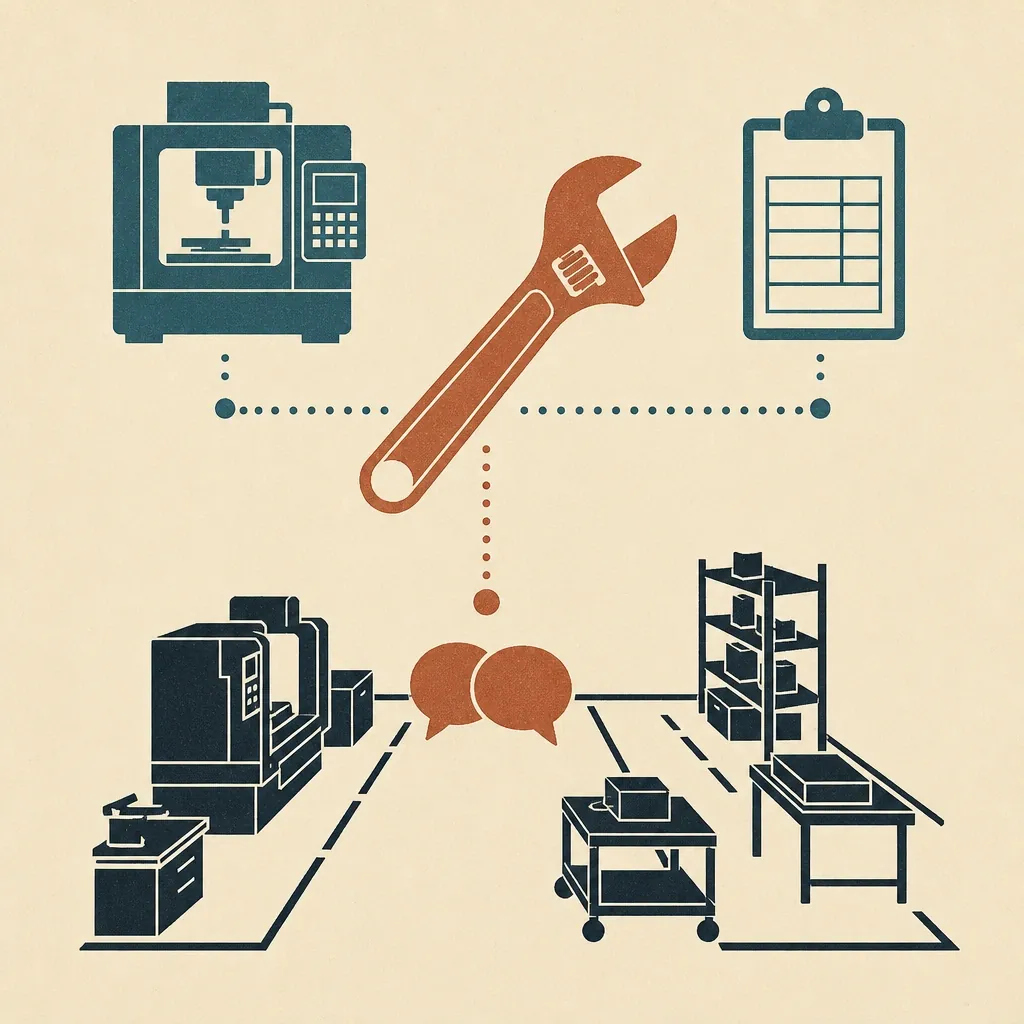
The line stopped for fifty minutes. The machine log records a stop and a restart. What it cannot record is that a fitter walked to the stores, found the part missing, rang a supplier, and waited. That is the fifty minutes. It exists in nobody system of record, so the report says downtime and stops there.
The numbers
Every figure here is someone else’s. Check them.
- 14 of 20manufacturing industry groups where labour productivity declined in 2025
- 39 of 80narrower industries where productivity rose, meaning it fell in the other 41
- 50 of 80industries where hours worked decreased over the same year
- 85manufacturing and mining industries measured in the federal series
Why it happens
It is not a people problem.
Machines report themselves well because a machine is one system with one owner. Everything between machines is a handover, and a handover belongs to nobody. Material moving, a fitter deciding, a quality call made on the floor. Those are the minutes that vary, and they are the minutes nothing writes down.
Why your current software has not fixed it
Because it was never built to.
Your MES is correct about the process it controls. Your ERP is correct about the order. Between them sits the shop floor, where a person decides something and tells a colleague. No vendor can sell you that layer, because it is made of your plant, your layout and your people. It is not a product gap. It is a shape.
Intelligence, plumbed in
A shift handover note explains the stoppage. The machine log only timestamps it.
The build is a reader for operator notes, with machine and order data joined per job. Add a gloved tablet, and a sensor we make when the machine has no port. Underneath it: a connector, one agreed meaning per field, and a test set scored on your own records.
How we make AI survive real data-
 Connectors
 -
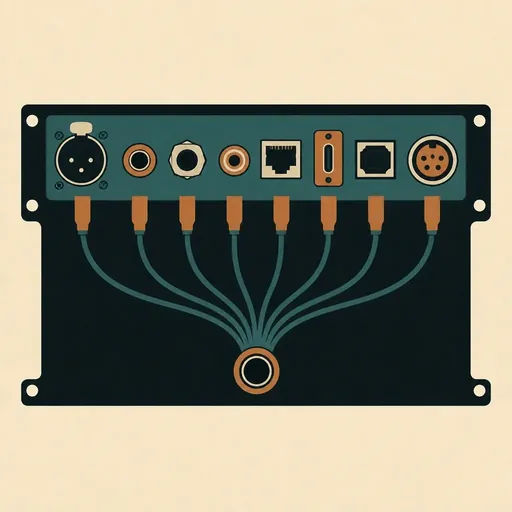 A semantic layer
 -
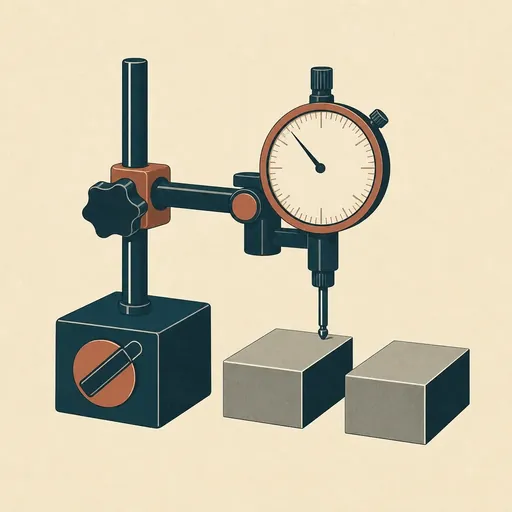 Evals you can check
However hard, whatever it is
Downtime is one example. Bring the problem nobody has cracked.
We wrote this up because the federal series makes the trend checkable. If yours is yield, changeover or supplier quality, the method is identical.
-
 01
01 We sit with you
Days where the work happens, not a workshop in a meeting room. We watch the job get done and write down the shortcuts nobody wrote down.
-
 02
02 We read everything
Your data, your rules, your vendors and their documentation, and the published research on your sector. We report what is actually in there.
-
 03
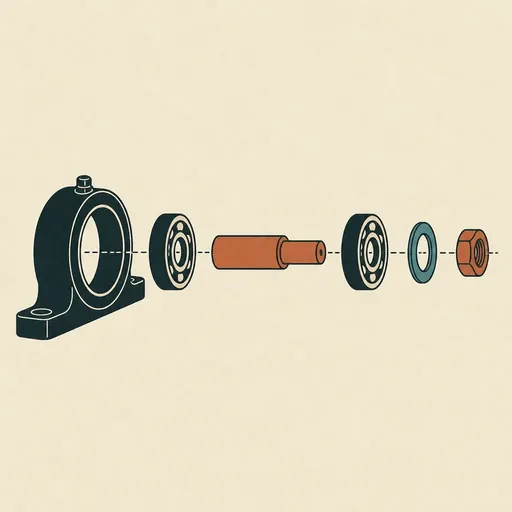
03 We break it to first principles
Not which tool fixes this. What is actually causing it, taken apart until we reach the piece that cannot be divided further.
-
 04
04 Then we build
Weeks, not quarters. By this point we are not guessing what to build, and guessing is the thing that makes projects long.
What we build
Specific enough to argue with.
Four mechanisms, not four features. Each one is a thing that happens on its own, every day, whether or not anyone remembers to run it.
-
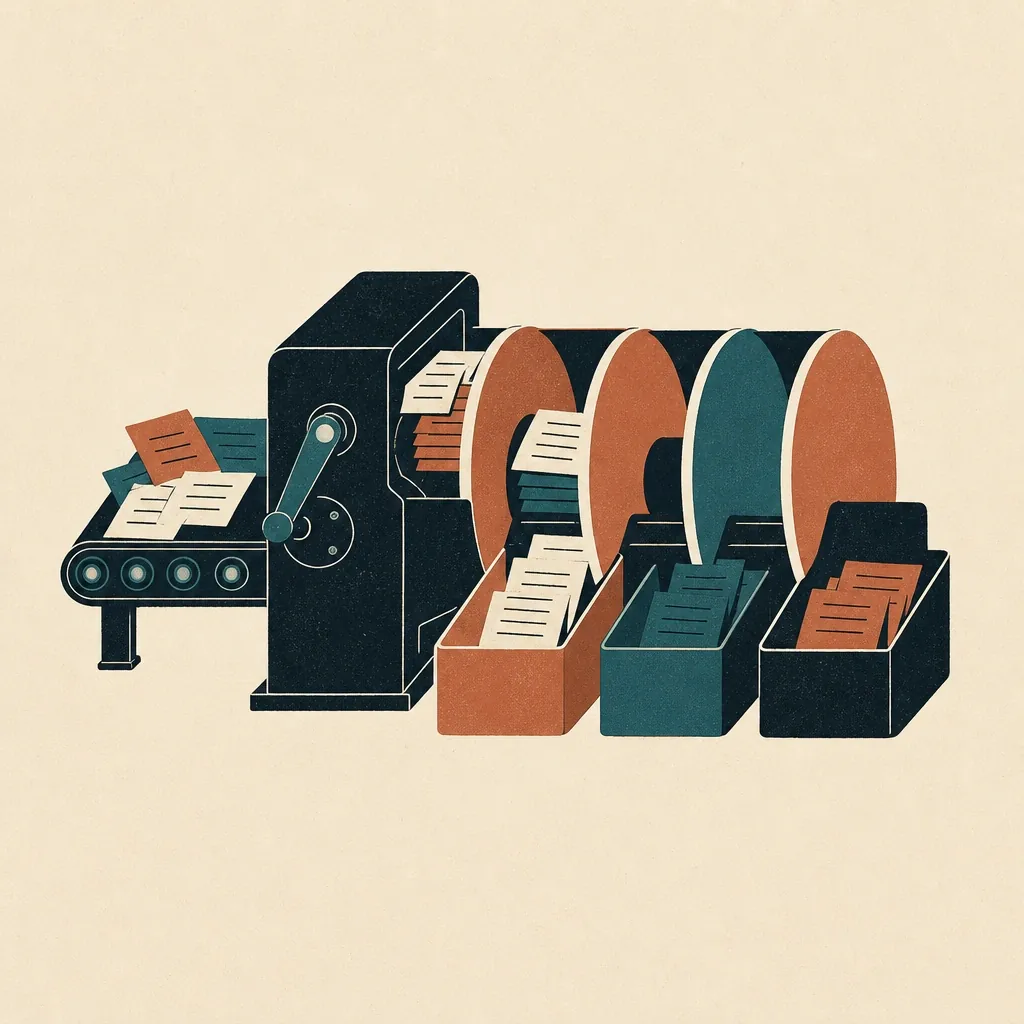
Operator notes and shift handovers read and grouped, so a recurring cause becomes visible instead of being retold each morning.
-

Machine, order and material data joined per job, so cost per job exists rather than cost per line.
-
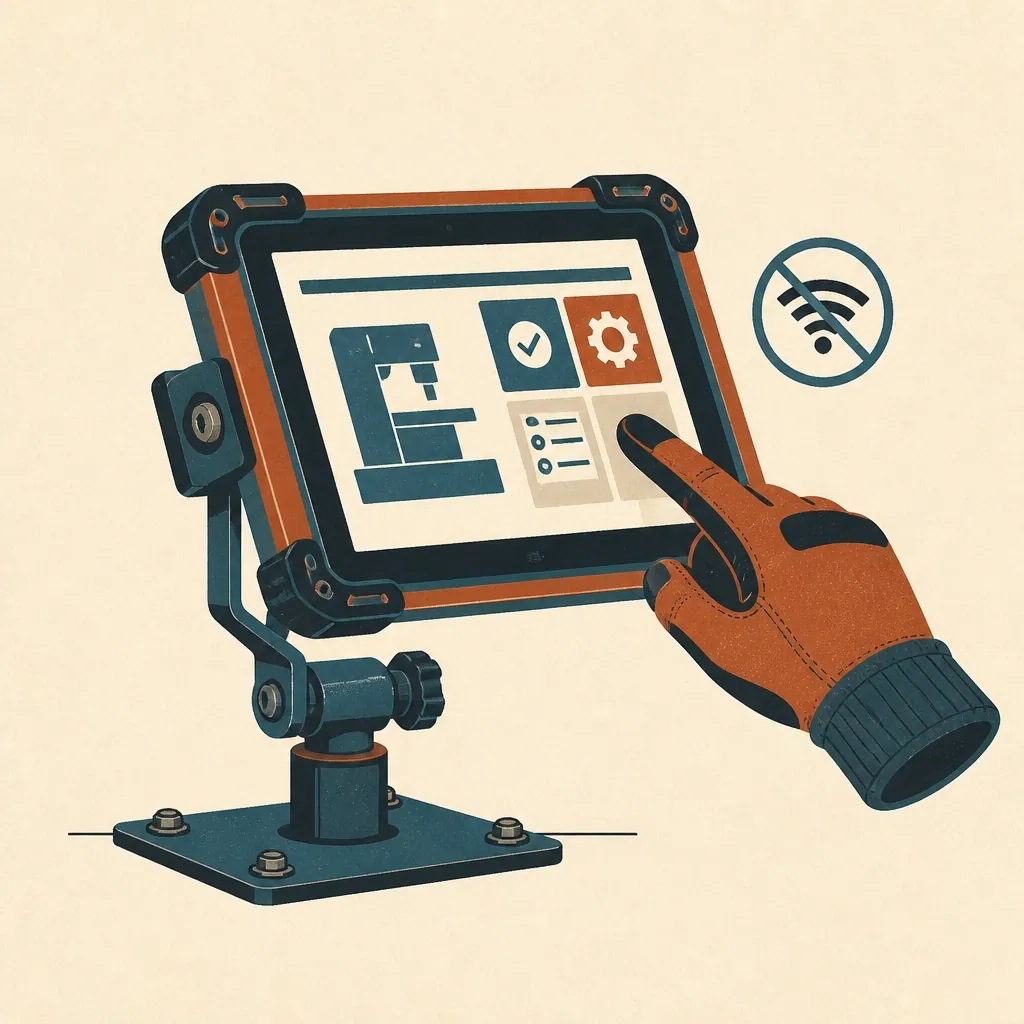
A shop floor tablet that works with gloves on and keeps working when the network drops.
-
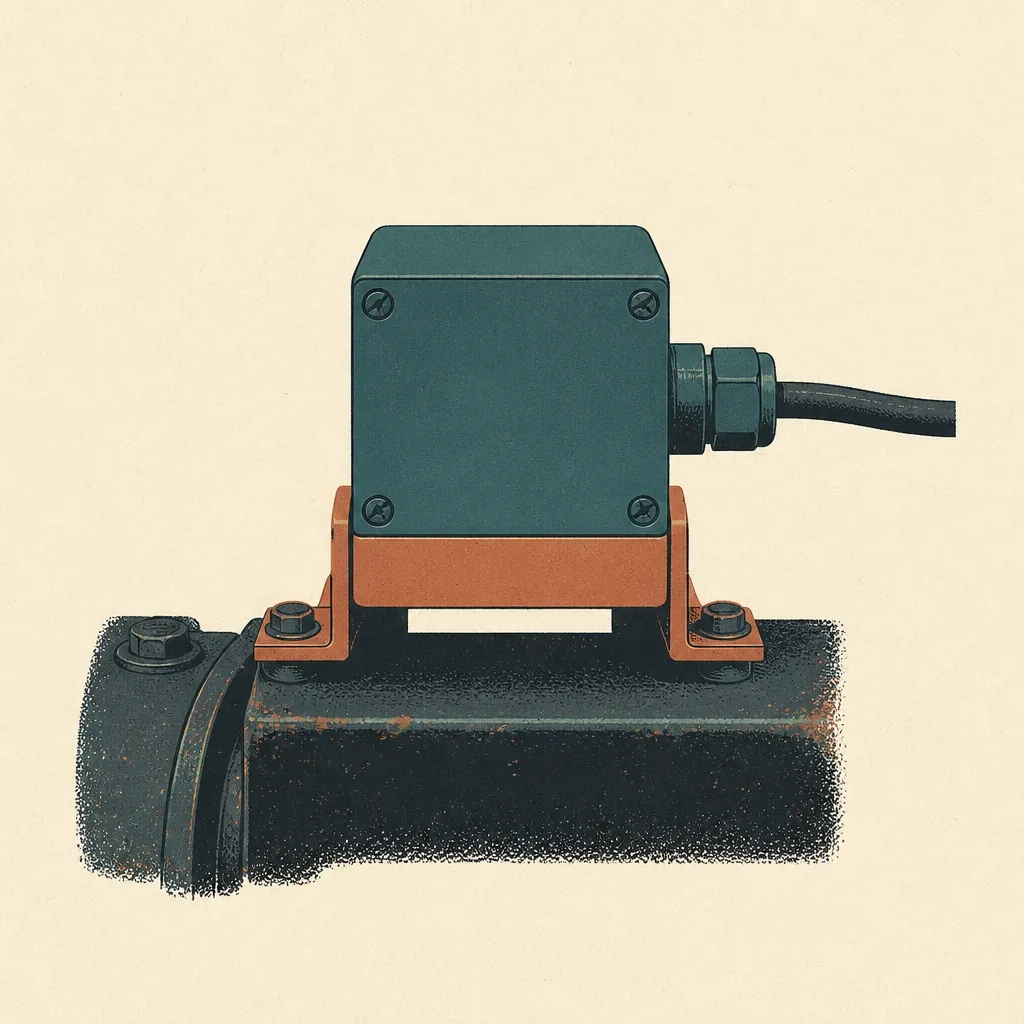
A sensor and its enclosure built and fitted by us when the machine predates any protocol worth reading.
How you would know it worked
Numbers in your own reporting, not ours.
- Unplanned downtime split by cause, not by duration, which is the split nobody has today.
- Scrap and rework by job, traced back to the shift and the material batch.
- Time from a defect being noticed on the floor to it being visible to planning.
Straight answers
Where a model is involved, it is scored against your own records first. Accuracy per source, not one flattering average.
The questions this raises
-

Our machines already send data. What more is there?
The machines are the easy part and they are usually well covered. The expensive minutes happen between them, and no machine is watching those.
-
Half our equipment is thirty years old.
That is normal and it is workable. A relay, a counter, a current clamp or a camera pointed at a panel all produce a signal, and we have built each of those.
-

Will operators actually use it?
Only if it costs them seconds. We design for gloves, noise and a hand that is already holding something, and we test on the floor rather than in a meeting.
-

Do you replace our MES?
No. We read it. Replacing a working MES is a large risk for a small gain, and the gain we are after is not inside it anyway.
Where the figures come from
We did not make these up, and you should not take our word for them.
Somebody noticed first, and nothing consumed it
The earliest warning is a note in a box nothing reads.
A driver, a fitter, an engineer or an adviser saw it coming and wrote it down. It went into free text. Free text does not trigger anything, does not add up, and never tells you that four people reported the same thing this week.
- ConstructionBuilding productivity rose. Highways and bridges went backwards
- EducationEnrolment is up this year. The intake pool peaked last year
- Energy & utilitiesMajor events now cost more outage hours than every ordinary year combined
- StaffingFive million people hired and five million separated in the same month
- Transport & fleetMore than a third of crashed trucks already had out-of-service defects
Different work, same box nobody reads. Whatever your people notice first, it is being written down somewhere already.Tell us what yours write down.
The machines are measured. The handovers between them are not.
The build is a reader for operator notes, with machine and order data joined per job. Add a gloved tablet, and a sensor we make when the machine has no port.
See everything we build-
 Software
 -
 Hardware
 -
 Ways of working
 -
 Whole ventures
Is this happening to you? Tell us the size of it.
Twenty minutes. We will tell you honestly whether the numbers justify doing anything about it.