

Every operator sends its work package in its own format
How does an aircraft maintenance shop keep one clean record when every airline and air force sends work in a different shape?
Figures and rules on this page apply to
Europe (EASA and UK rules)
Working somewhere else? The shape of the problem usually travels. The deadlines do not.
What this looks like
A work package arrives as a PDF export from the customer's system. Another comes as a spreadsheet, a third as scanned task cards. Planners retype each one. Technicians write findings at the aircraft. Months later, someone digs through three formats to answer an auditor or a warranty claim.
The numbers
Every figure here is someone else’s. Check them.
- 6.9Mcommercial flights recorded in the EU in 2025, up 3.8% on 2024
- 7.7M+flights in European traffic in 2024, according to the EU aviation safety regulator
- 3 yearsthat a maintenance organisation must keep every detailed maintenance record after release to service
- 3fatal accidents in European commercial air transport in 2024
Why it happens
It is not a people problem.
The shop does not choose the format. The operator does. Each airline and air force has its own planning system, task card layout and naming. The shop's system holds its own records well. It cannot make ten customers speak the same language.
Why your current software has not fixed it
Because it was never built to.
Maintenance software is strong on the shop's own planning and parts. Customer work packages still arrive as documents, so a planner converts them by hand. Integration with each customer is a project of its own. For a shop with dozens of customers, that project never ends.
Intelligence, plumbed in
A scanned task card with a handwritten finding is a record. It can be read, checked and filed against the right aircraft.
We build the layer that reads each operator's work packages and each station's records, then keeps one history above them. Underneath it: a connector, one agreed meaning per field, and a test set scored on your own records.
How we make AI survive real data-
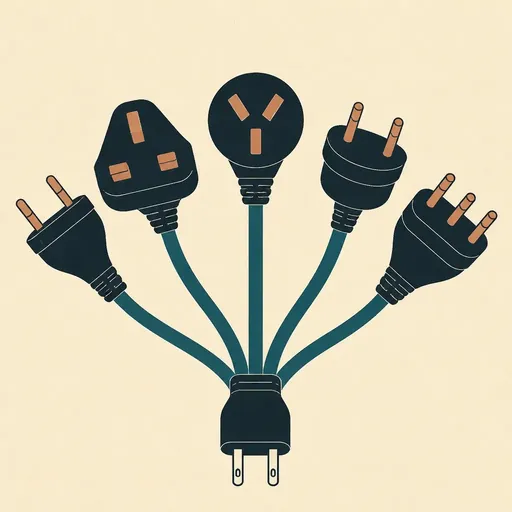 Connectors
-
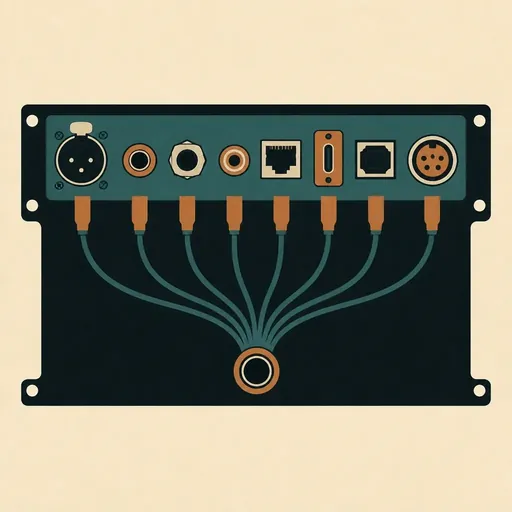 A semantic layer
-
 Evals you can check
However hard, whatever it is
Aircraft maintenance is one example. Bring the customer format you retype every week.
We wrote this about maintenance shops because the record rules are public and strict. The same layer works wherever customers send work in their own shape.
-
 01
We sit with you
Days where the work happens, not a workshop in a meeting room. We watch the job get done and write down the shortcuts nobody wrote down.
-
 02
We read everything
Your data, your rules, your vendors and their documentation, and the published research on your sector. We report what is actually in there.
-
 03
We break it to first principles
Not which tool fixes this. What is actually causing it, taken apart until we reach the piece that cannot be divided further.
-
 04
Then we build
Weeks, not quarters. By this point we are not guessing what to build, and guessing is the thing that makes projects long.
What we build
Specific enough to argue with.
Four mechanisms, not four features. Each one is a thing that happens on its own, every day, whether or not anyone remembers to run it.
-
Incoming work packages read in whatever format each operator sends, and turned into draft work orders for a planner to check.
-
Technician findings and sign-offs filed against the right aircraft, task and customer reference, across every station.
-
One searchable maintenance history for each aircraft and component the shop has touched, kept for the full retention period.
-
Customer reports produced in each operator's own layout, without retyping.
How you would know it worked
Numbers in your own reporting, not ours.
- Planner hours from work package received to work orders released.
- Time to answer an auditor's or customer's record request for a past check.
- Count of records returned for missing or mismatched references.
Straight answers
Where a model is involved, it is scored against your own records first. Accuracy per source, not one flattering average.
The questions this raises
-
Does this replace our maintenance information system?
No. It feeds it. Draft work orders and filed records go into the system you already run, and a person approves them.
-
Our records are regulated. Can a machine touch them?
The machine drafts and files. Certifying staff still sign. Every step is logged, so the audit trail gets stronger, not weaker.
-
Every customer is different. Is this a project per customer?
Less than you would think. Each new format is learned from a handful of real packages, not built as a separate interface.
Where the figures come from
We did not make these up, and you should not take our word for them.
Every partner sends a different shape
The format belongs to them. The cost lands on you.
Documents arrive from outside in whatever shape the sender chose, and the sender changes it whenever their own system does. No vendor can ship this. The set of formats is specific to who you trade with, which is why it ends up as a script nobody owns.
- Agriculture & foodThe traceability deadline moved to 2028, and nothing else changed
- Banking & lendingFifty-five cents of every revenue dollar goes to running the bank
- HospitalityThe roster was set last Tuesday. The covers were not
- InsuranceA combined ratio above one hundred means underwriting lost money
- RetailShrink went from 1.4 to 1.6 percent, and the till already knew where
Bordereaux, carrier files, supplier invoices, delivery notes. Whatever arrives in your inbox in nine shapes is the same job.Send us the messiest one you have.
The shop cannot change how its customers write. It can read what they send.
We build the layer that reads each operator's work packages and each station's records, then keeps one history above them.
See everything we build-
 Software
-
 Hardware
-
 Ways of working
-
 Whole ventures
Is this happening to you? Tell us the size of it.
Twenty minutes. We will tell you honestly whether the numbers justify doing anything about it.